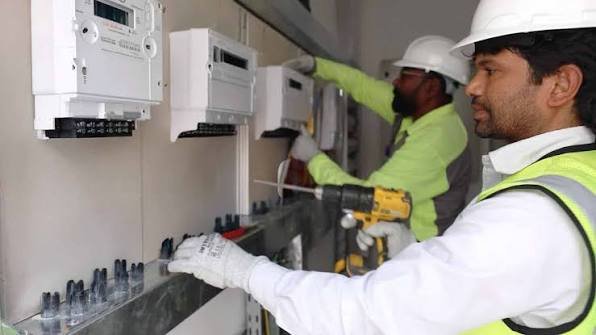
The global energy transition is increasingly being driven not only by renewable power generation but also by the digital transformation of electricity grids. As utilities face rising electricity demand, growing deployment of distributed energy resources and ambitious decarbonization targets, smart digital infrastructure is becoming critical to the future of energy systems.
At the center of this transformation are smart meters—devices that have evolved from simple billing tools into strategic components of modern power networks. They enable utilities to monitor consumption, improve billing accuracy, detect outages, manage demand and integrate renewable energy, while giving consumers greater visibility into their energy use.
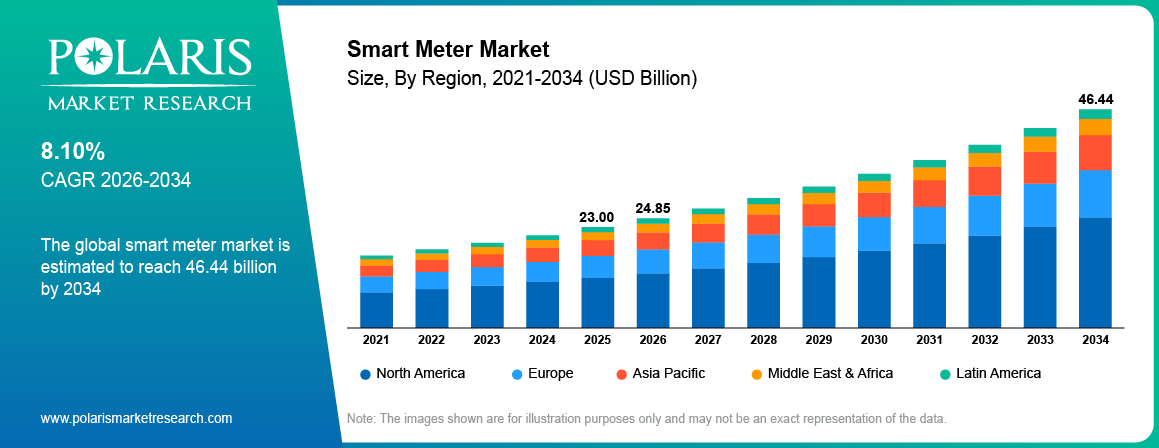
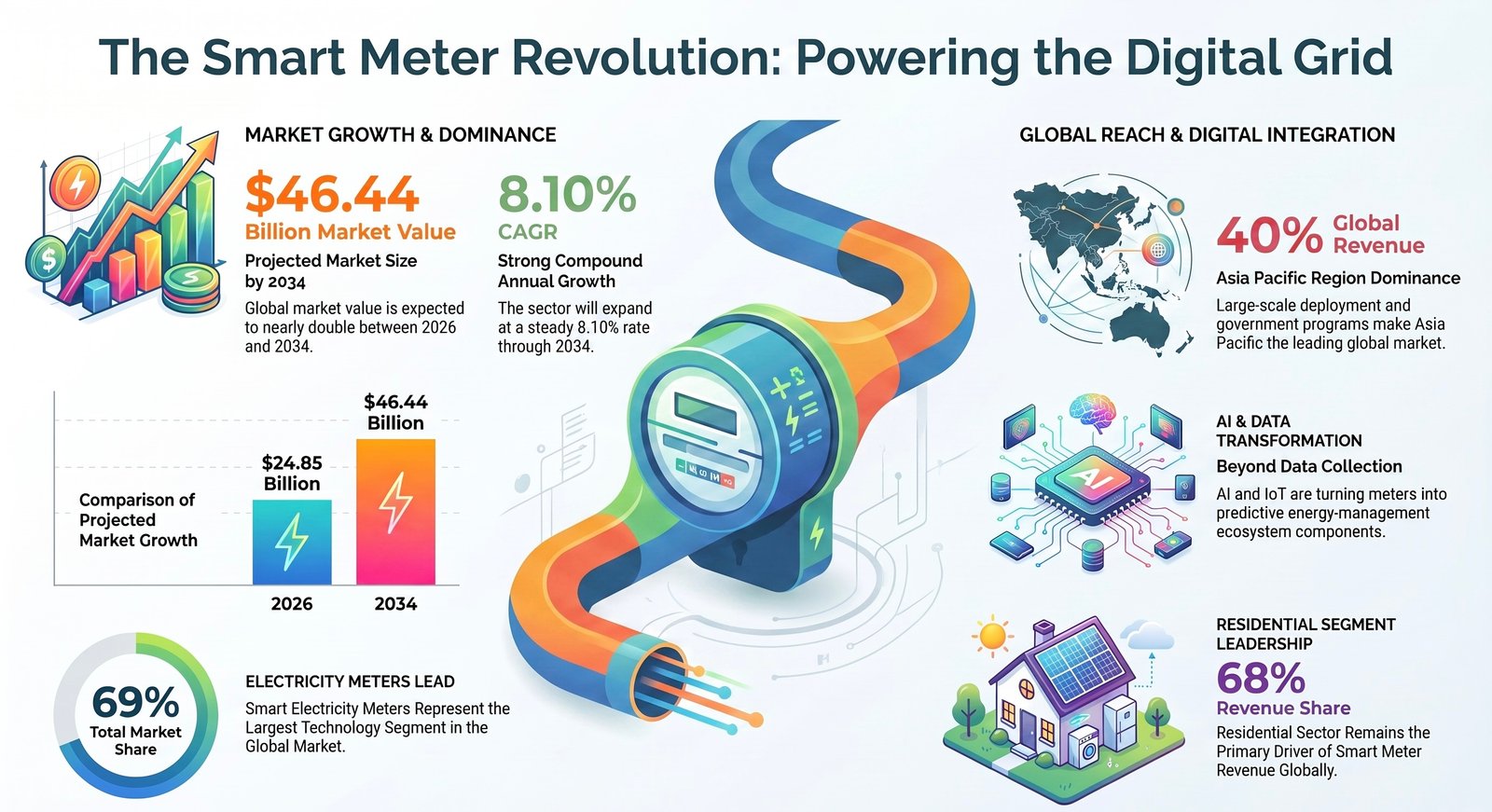
According to Polaris Market Research, the global smart meter market is estimated at USD 24.85 billion in 2026 and is projected to reach USD 46.44 billion by 2034, expanding at a compound annual growth rate (CAGR) of 8.10% between 2026 and 2034. Government-backed smart-grid programs, rising investment in utility infrastructure, renewable-energy integration and growing demand for real-time energy data are among the key factors supporting market growth.
Smart Meters Become Core Digital Infrastructure
The development of smart metering reflects a broader shift from conventional, largely reactive utility management towards data-driven and increasingly predictive operations.
Unlike traditional meters, smart meters can collect and transmit consumption data electronically, enabling utilities to monitor networks more effectively, identify abnormal consumption, improve revenue collection and respond more quickly to outages and other service disruptions.
Smart metering can also support demand management, time-based or dynamic pricing and improved customer engagement by providing more detailed information on electricity consumption.
The technology is becoming increasingly important as power systems incorporate rooftop solar, electric vehicles, battery storage and other distributed energy resources. In this environment, smart meters are evolving into an important part of integrated energy-management systems.
Government Policies Drive Deployment
Government policy and investment in grid modernization remain among the strongest drivers of smart-meter adoption.
Utilities worldwide are upgrading ageing networks to improve energy efficiency, reduce losses, strengthen reliability and accommodate increasing amounts of renewable generation. Public-sector programs and regulatory initiatives encouraging smart-grid development are consequently creating opportunities for smart-meter manufacturers, technology companies and infrastructure providers.
Polaris Market Research identifies government initiatives focused on smart grids and energy conservation as key factors supporting market expansion. The research also highlights the growing importance of renewable energy adoption and the need for accurate, real-time energy-consumption information.
AI and Data Analytics Add New Value
The next stage of smart-meter development is expected to focus increasingly on the intelligent use of the data generated by these devices.
Artificial intelligence and advanced analytics can help utilities identify consumption patterns, forecast demand, detect anomalies and identify potential network problems. Such capabilities can support more efficient power distribution, demand-side management and faster response to system disruptions.
The combination of smart meters, Internet of Things (IoT) connectivity, cloud platforms and AI is therefore transforming meters from data-collection devices into components of increasingly intelligent energy-management ecosystems.
Opportunities Extend Beyond Meter Manufacturing
The expanding smart-meter market is creating opportunities across a wider technology ecosystem, including software development, cloud services, cybersecurity, communications networks, data analytics and managed services.
According to Polaris, smart electricity meters accounted for the largest share of the market in 2025, at 69.0%. The residential segment also held the largest share, accounting for 68.0% of revenue, while Automatic Meter Reading (AMR) represented the leading technology segment with a 68.0% share.
As utilities move increasingly towards Advanced Metering Infrastructure (AMI), demand is expected to grow for integrated communication systems, meter-data management platforms, cybersecurity solutions and analytical tools.
Asia Pacific Leads Global Market
Asia Pacific remains the largest regional market for smart meters. Polaris Market Research estimates that the region accounted for approximately 40% of global market revenue in 2025. Large-scale deployment of smart electricity and gas meters, combined with government-backed grid-modernization programs, continues to support the region’s leading position.
North America is also expected to record strong growth as utilities continue to modernize ageing grids and integrate renewable energy, electric vehicles and other distributed energy resources.
The different regional trends underline a common global priority: making electricity networks more digital, flexible and responsive.
Outlook
The smart-meter industry is entering a new phase in which digital intelligence is becoming an essential component of energy infrastructure.
The convergence of AI, IoT, renewable energy, distributed generation and smart-grid technologies is expected to reshape the way electricity is measured, distributed and consumed. Smart meters will play an increasingly important role in supporting electrification, improving grid resilience and enabling more efficient energy management.
With the global market projected to reach USD 46.44 billion by 2034, investment in smart metering, data analytics and secure digital infrastructure is likely to remain a major component of utility modernization strategies.
Conclusion
The smart-meter market represents far more than the replacement of conventional electricity meters. It is part of a broader transformation towards connected, intelligent and flexible energy systems.
As governments and utilities accelerate grid modernization and renewable-energy integration, smart meters will become increasingly important for improving efficiency, reducing losses, strengthening reliability and giving consumers greater control over their energy use.
For businesses, the opportunity extends beyond meter manufacturing to the broader digital ecosystem—including communications, software, analytics, cybersecurity and energy-management services. Companies that position smart metering as a strategic digital platform rather than simply a measurement device are likely to benefit from the sector’s long-term expansion.
Source: Polaris Market Research