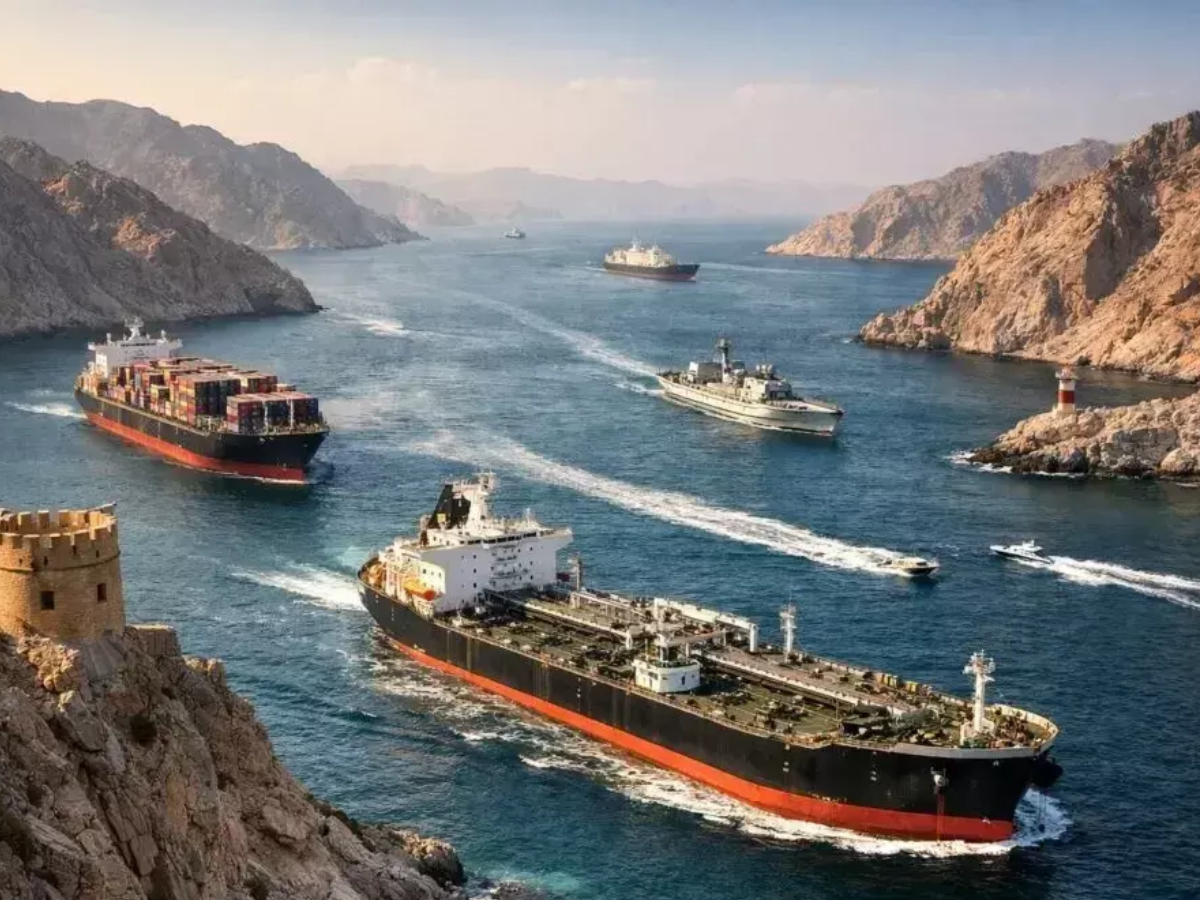
New analysis by energy and climate think tank E3G warns that increasing supplies of oil and liquefied natural gas (LNG) do not necessarily improve energy security, as global trade remains highly vulnerable to chokepoints.
The report assesses major oil and LNG-importing countries based on their exposure to critical transit routes and their ability to respond to disruptions. It finds that import-dependent economies in Europe and Asia face particularly high risks.
Chokepoints and Systemic Vulnerability
According to the study, disruptions at key transit routes—such as the Strait of Hormuz—can quickly ripple through global energy systems. Even without a full physical blockage, so-called “paper chokepoints” can tighten markets through shipping constraints, insurance withdrawal, rerouting delays, and rising risk premiums.
Because global oil and LNG markets are deeply interconnected, supply disruptions in one region can trigger price volatility worldwide, intensify competition for cargoes, and create broader macroeconomic risks.
The report highlights that countries with high dependence on imports and limited short-term flexibility in demand are especially vulnerable—even if they are not directly reliant on specific chokepoints.
Clean Energy as a Long-Term Solution
E3G emphasizes that reducing dependence on fossil fuels is the most effective way to mitigate these risks. Measures such as electrification, energy efficiency, grid expansion, storage, and domestic renewable energy development can significantly enhance long-term energy security.
The report outlines a five-track policy toolkit for governments, combining short-term risk management strategies with long-term structural reforms to reduce exposure.
Expert Insights
Richard Smith, Senior Policy Advisor at E3G, said recent tensions around Hormuz are not isolated incidents but inherent risks in the global fossil fuel system.
He noted that while renewable energy systems also face challenges, they offer a more stable long-term solution, providing consistent and locally controlled energy once installed.
Maria Pastukhova highlighted that many countries rely on supply chains beyond their control, making disruptions inevitable. She stressed that transitioning to clean energy can shift more control domestically and reduce exposure to geopolitical risks.
Madhura Joshi pointed out that Asia receives nearly 90% of oil and LNG passing through the Strait of Hormuz, making the region particularly vulnerable.
She warned that prolonged disruptions could lead to economic pressures such as rising deficits, currency instability, and constrained growth—especially in countries like India, Japan, and South Korea, which are heavily dependent on energy imports.
Strategic Takeaway
The analysis concludes that while fossil fuel markets may appear well-supplied at times, their reliance on fragile transit routes creates persistent and unavoidable risks. Accelerating the transition to domestic clean energy is therefore seen as the most durable path to strengthening energy security and resilience.