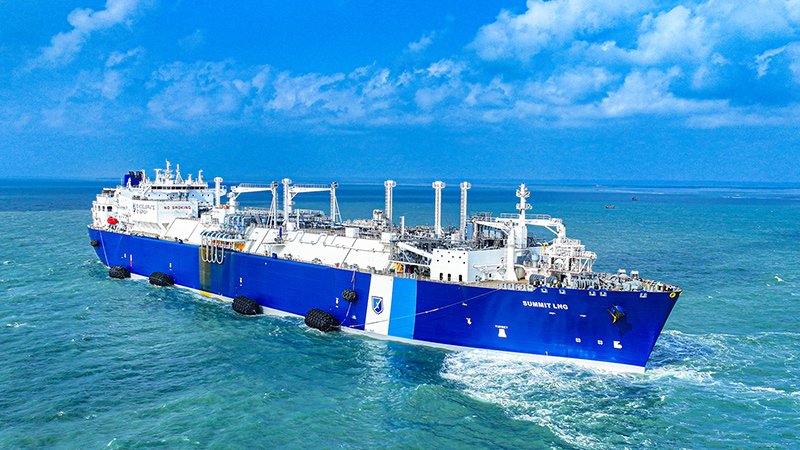
Dhaka, March 4, 2026 (EP) - In light of the global energy crisis triggered by the ongoing Middle East conflict, Bangladesh has decided to introduce gas rationing measures. Many countries, including India, have already taken steps to manage fuel shortages.
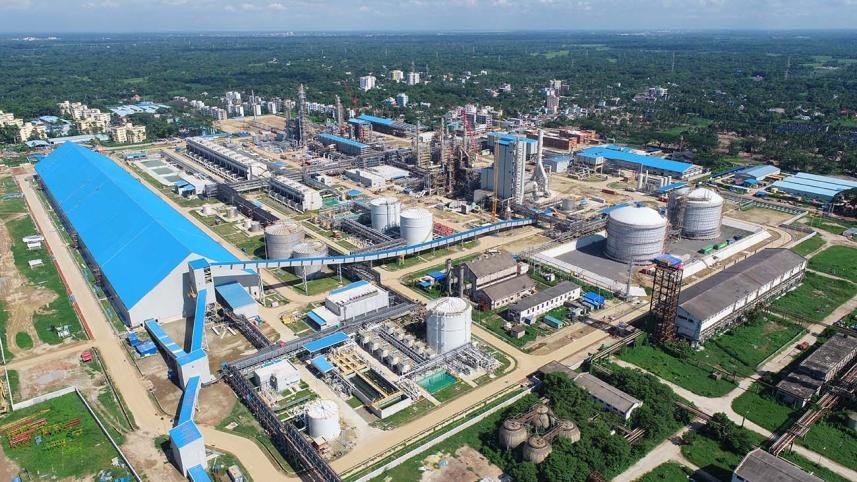
Bangladesh has initially decided to completely suspend gas supply to fertilizer factories and reduce gas allocation for power generation, according to sources at Petrobangla.
Power, Energy and Mineral Resources Minister Iqbal Hasan Mahmood held a meeting with ministry officials to discuss Bangladesh’s response to the Middle East war and the resulting energy crisis. State Minister Anindya Islam Amit was also present.
The minister directed officials to ensure efficient and planned use of electricity and fuel, alongside austerity measures. He said that with existing reserves, Bangladesh should not face major difficulties this month. However, if the war prolongs, the country may face serious challenges similar to other nations.
Petrobangla Chairman Irfanul Haq said an order to begin gas rationing has been issued from today (March 4). Possibly only one fertilizer plant may remain operational.
He added that four LNG cargoes scheduled for March have already crossed the Strait of Hormuz. However, two cargoes expected on March 15 and March 18 are still uncertain. Petrobangla has written to QatarGas but has not yet received a final confirmation. The company has indicated that the situation may fall under the contract’s emergency clause.
Another Petrobangla source said that fertilizer production currently consumes about 170 million cubic feet per day, which will now be fully suspended. Gas supply for power generation will be reduced from 870 MMCFD to 820 MMCFD.
LNG cargoes scheduled to arrive by March 11 have already crossed the Strait of Hormuz. Four LNG cargoes can ensure supply continuity for 12–15 days.
Bangladesh plans to import nine LNG cargoes in March, including six from Qatar and two from Australia.
According to Petrobangla’s Director (Operations & Mines), Engineer Rafiqul Islam, 9 LNG cargoes are planned for March, 11 cargoes for April and 11 cargoes for May. Out of those 19 of these cargoes are expected to pass through the Strait of Hormuz.
Domestic gas production currently stands at approximately 1,714 MMCFD, supplemented by 800–1,000 MMCFD of RLNG. The two floating terminals at Maheshkhali have a maximum regasification capacity of 1,130 MMCFD.
Shipments from Qatar and Oman via the Strait of Hormuz typically take 9–13 days. LNG imported from the United States and Angola also passes through the Panama Canal and the Strait of Hormuz, taking around 25 days. An alternative route via Mumbai, India, is considered time-consuming and costly.
Although a tender was floated on March 3 to purchase LNG from the spot market, no bidders responded. A new tender was issued on March 4 again.
Currently, Bangladesh’s power and energy sector is 56 percent import-dependent. If LNG imports face disruption, reducing gas supply for electricity generation will become unavoidable. In that case:
• Full coal import financing must be ensured to maximize coal-fired power generation capacity.
• Furnace oil-based power plants may also need to operate at full capacity.
However, if global fuel prices rise further due to the war, the government’s import costs will increase significantly, worsening losses in the power and energy sector.
Given the circumstances, energy rationing appears to be the only viable option for Bangladesh to manage the ongoing crisis.