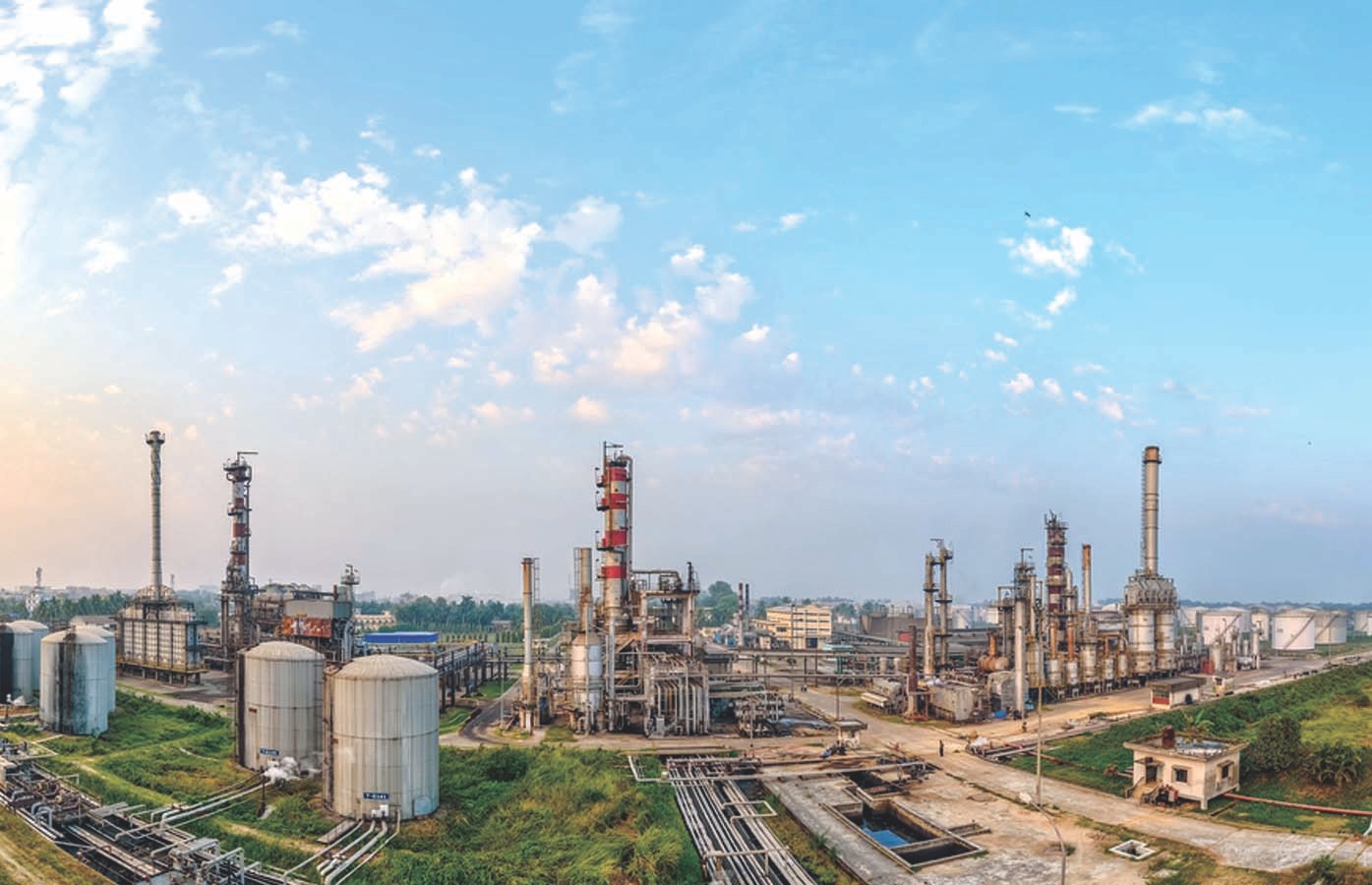
Bangladesh is a crude oil importing country and imports most of the petroleum products except a marginal volume available from the lone Eastern Refinery Limited (ERL). From a recent report, it appeared that Bangladesh imported petroleum products worth BDT 96,605,000 million in July 2023 as compared to BDT 65,177,000 million in June 2023. Petroleum products data is updated every month. We are aware that the lone discovery of oil was made in 1987 while development well drilling was made in Sylhet 7 for gas at Chiknagul Haripur. Some crude oil was produced for a couple of years. Otherwise, Bangladesh imports crude for refining at the lone refinery ERL set up at North Patenga, Chattogram in the 1960s. Over the last 52 years since independence, a second refinery either in the public or private sector could not be constructed. Even the modernization and upgrade of ERL could not be completed yet. Bangladesh imports crude oil from different countries. But due to the shallow draft of Chattogram port, bulk crude is imported by mother vessels which anchor in the deep sea. The crude is then transported from mother vessels by smaller vessels to ERL Jetty. It takes time and causes losses during transportation. To overcome these a project titled Single Point Mooring (SPM) has been implemented for transporting crude oil from mother vessels to storage facilities at Kutubdia, Maheshkhali and from there to ERL using submarine pipeline. The long-drawn SPM was due to start commercial operation early 2023. But for last minute technical issues the operation is being delayed. Another imported project of BPC, liquid fuel transportation pipeline from Chattogram to Godnail Dhaka and from Godnail to Hazrat Shahjalal International Airport is also taking a long time. When these are put into operation, a significant amount of wastages through leakages and pilferages will be reduced. Some people have doubts about safe operation of liquid fuel pipelines in Bangladesh. But there are smart technologies for policing the operation. Bangladesh and India have jointly implemented a liquid fuel pipeline from Numaligarh Refinery, India to Syedpur in Bangladesh. Bangladesh is importing petroleum products using this pipeline. Given the global fuel market turbulence, Bangladesh must address issues and challenges of the liquid fuel supply chain for efficient use. Otherwise, it will be extremely difficult for Bangladesh to absorb price shocks and supply chain disruptions. Bangladesh needs to ensure a sustainable supply of fuel (smart fuel mix) for the smooth operation of industries. The demand for fuel petroleum products, LPG and LNG will continue to increase and Bangladesh has little other options to increase reliance on imports from the global market.
BPC
Bangladesh Petroleum Corporation (BPC) as a 100% state-owned enterprise under the Ministry of Power, Energy, and Mineral Resources is responsible for importing, processing, distribution, and marketing crude oil, and petroleum products in Bangladesh. Private sector companies are only involved in importing, bottling, and transportation of LPG. Petrobangla company RPGCL imports LNG, and two private sector companies Excelerate Energy USA and Summit Energy Bangladesh convert LNG to RLNG in FSRU anchored off the coast of Moheshkhali Cox’s Bazar. Petrobangla company GTCL evacuates RLNG and transports it to load centers using the national gas transmission grid.
Records indicate that Bangladesh in the recent past imported crude oil worth BDT 96,605,000 million in July 2023 and BDT 65,177,000 million in June 2023. The major suppliers are Qatar, Egypt, USA, Nigeria, Kuwait, UAE and Sri Lanka.
The ERL was incorporated under the Indian Companies Act in 1963 with 35% share of EPIDC (East Pakistan Industrial Development Corporation), 35% shares belonging to Burma Oil Company and 30% to private entrepreneurs. From November 1985, the BPC became 100% shareholder of the ERL.
The ERL went on stream with three processing units – Crude Distillation Unit, Catalytic Reforming Unit and Hydrodesulfurization Unit. Later, the following new process units were added. An Asphaltic Bitumen Plant, Long Residue Visbreaker Unit, Mild Hydrocarbon Unit (MHC), In 2007 ERL Engineers converted MHC to NGC (Natural Gas Condensate Unit.)
Refining Capacity of Asian and South Asian Countries
For sustainable Energy security, a country should have enough refining capacity as well as storage capacity of both crude oil and refined products of its own for addressing any uncertainties in the supply chain management. Unfortunately, in 52 years of Bangladesh independence Bangladesh could neither set up a second refinery nor increase the capacity of ERL. Bangladesh relies exclusively on crude import and heavily on import of Petroleum Products.
Top Five Countries in Crude Oil Refining in Asia Pacific Region
|
Countries |
Capacity in Million Barrels Per Day |
|
China |
18.80 |
|
India |
04.97 |
|
South Korea |
03.35 |
|
Japan |
3.34 |
|
Singapore |
1.51 |
Four top countries have huge domestic markets but imagine a tiny country Singapore has become a major refining and trading company in the region through setting up refineries.
Refining Capacity of Some SAARC Countries
|
Countries |
Capacity in Million Barrels Per Day |
|
India |
18.80 |
|
Pakistan |
450,000 bbl per day |
|
Sri Lanka |
38,000 bbl per day |
|
Bangladesh |
15 lakh tonnes per annum |
Issues of Petroleum Products Supply Chain Management in Bangladesh
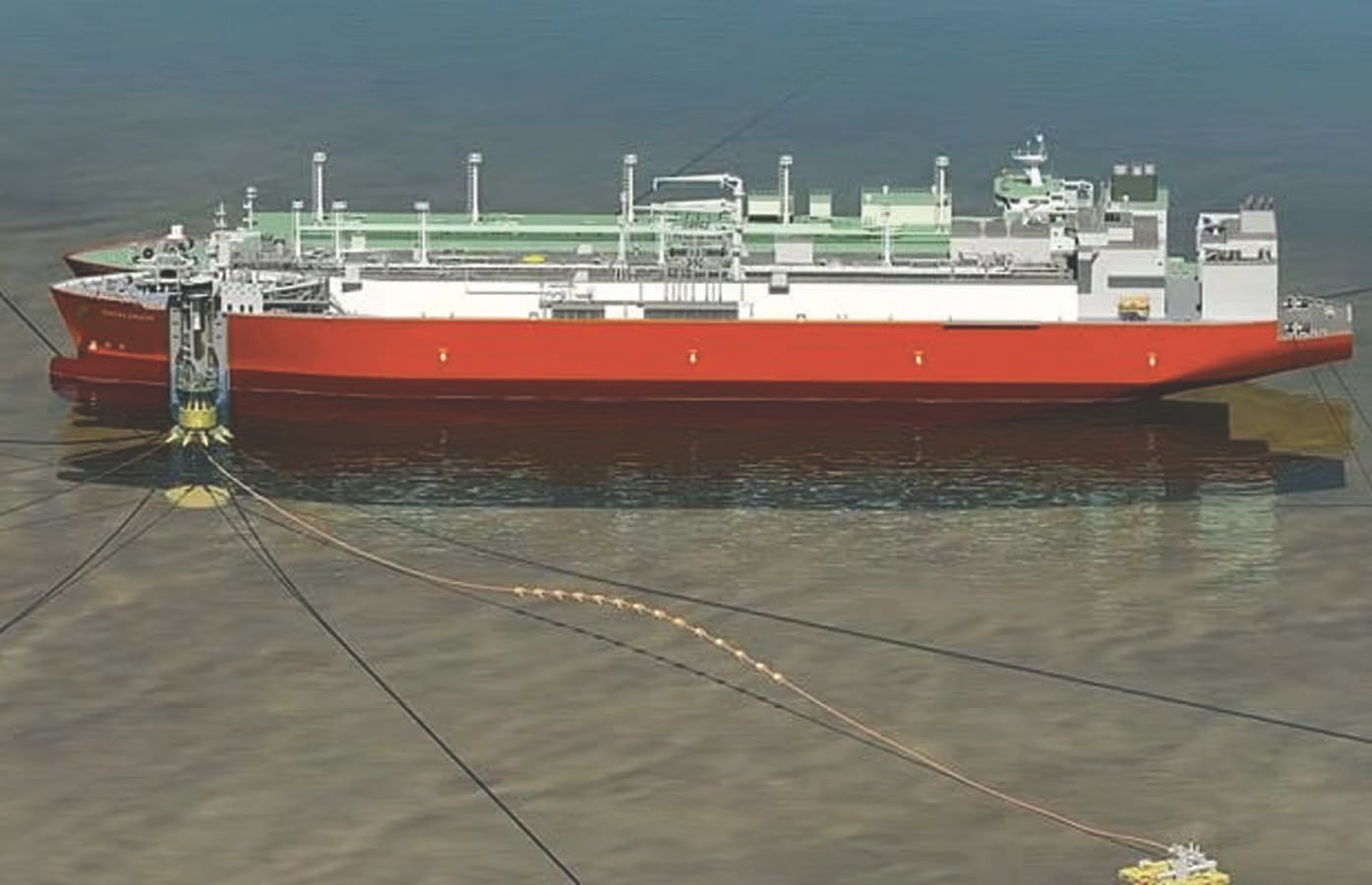
We all are aware that Bangladesh does not produce crude oil. Associated gas separates condensates in some gas fields. These are processed to get some petroleum derivatives. One LPG plant set up at Golapganj Sylhet is no longer in operation and another condensate processing plant set up at Rashidpur, Habiganj does not get enough condensate to run at capacity. Lone refinery imports crude from different countries, processes and BPC markets the products through its marketing utilities. For the shallow draft of Chattogram port, crude oil and other petroleum products imported using large vessels are kept anchored in the deep sea and transported through lighterage vessels to the ERL. This requires time and significant volume of wastage happens through leakages and pilferage. The BPC took up the SPM (Single Point Mooring) project. China Petroleum Pipeline Engineering Company Ltd (CPP) was engaged in the installation of the SPM with double pipelines under $467.84 million preferential Chinese credit. The project was supposed to come into commercial operation by 2020. But it is still waiting to start commercial operation. If completed it can save time and eliminate wastages in crude oil and petroleum products transportation owes an explanation about the delay.
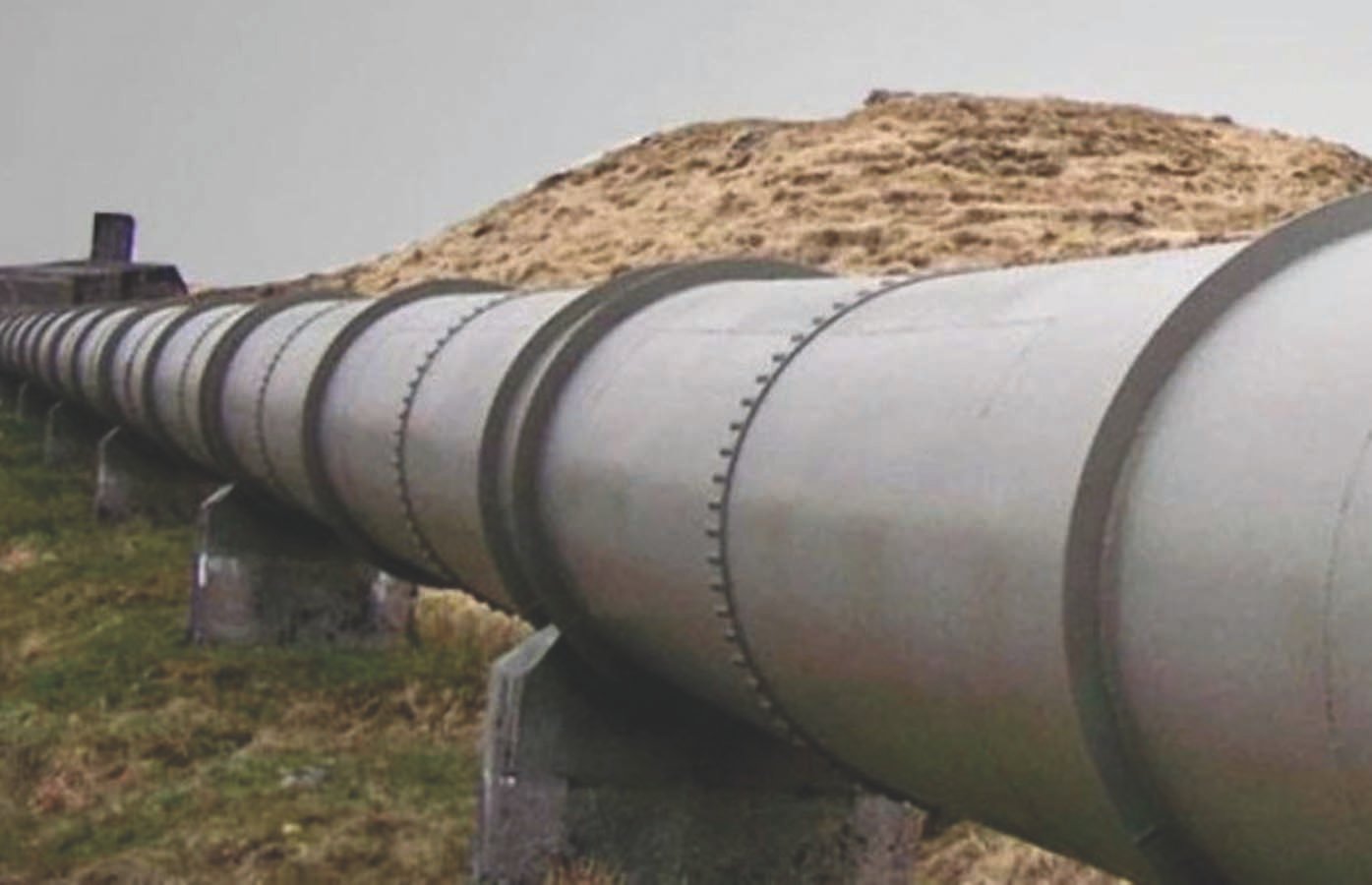
BPC is also implementing a liquid fuel pipeline from Chattogram to Godnail Dhaka and another pipeline for transport of Jet Propulsion Oil from Godnail to Shahjalal International Airport, Dhaka. The project taken up by BPC in 2015 is a 246 km pipeline run from Padma Oil Depot of BPC at North Patenga to Godnail in Narayanganj. In Bangladesh usually large pipelines are constructed by Petrobangla Companies: GTCL and TGDCL. But BPC was given that task. Per original plan the pipeline was to be completed by 2017. For various challenges for design change, ROW issues it could be started even by 2019. BPC in September 2017 announced that Bangladesh Army would manage implementation of the project. The experience of Bangladesh managing the operation of liquid hydrocarbon pipelines is extremely bitter. GTCL had struggled a lot in combatting theft and pilferages of the Koillashtilla to Ashuganj condensate pipeline. However, it has been alleged that contractors engaged for the construction of the pipeline for lack of experience are struggling to complete the pipeline. There are also complaints about quality and quality control of the pipeline. It is not sure yet when the pipeline will come into operation and how safely it can be operated. BPC also owes an explanation about the delay and quality control of the important national asset.
However, the construction and commissioning of a liquid fuel pipeline from a Refinery at Numaligarh, Assam India to Parbotripur, Bangladesh is a milestone achievement. This pipeline has been commissioned and is used for importing Petroleum products from India. There exist at least another three Indian refineries not too far from the Bangladesh border. Bangladesh must explore whether it is possible to import liquid fuel by constructing pipelines. If necessary Indian refineries may import crude using the SPM facility of Bangladesh and transport it by Railway or by constructing pipelines.
Bangladesh Must Execute Plans for Petroleum Sector Professionally
In the wake of the volatility of the global fuel market and inadequacy of infrastructure of Bangladesh, the incumbent government must review the existing capacity of BPC and EMRD in managing the operation of Petroleum sector. The project planning, implementation, procurement management of BPC leaves many grey areas. Anyone can question why SPM took so much time to execute. What is going wrong in liquid fuel pipeline construction from Chattogram to Dhaka? If GTCL can successfully construct so many large diameter cross-country high-pressure pipelines why BPC could not collaborate with GTCL and Petrobangla is executing the pipeline construction? Bangladesh must act professionally in dealing with highly technical infrastructure development. These must have transparency and accountability. Bangladesh should seriously consider setting up at least a second refinery at Maheshkhali, Payra or any other suitable places. If necessary, there can be a PPP project. Local private sector may be integrated in the process.
Click Here to Download Article as PDF/userfiles/EP_21_10_Article_Bangladesh Petroleum Sector Issues and Challenges_Engr Khondkar Abdus Saleque .pdf
Engr. Khondkar Abdus Saleque, Energy Consultant