Country gets more geopolitical leverage
Embracing challenges galore, such as the COVID-19 pandemic and economic sanctions on Russia, Rooppur Nuclear Power Plant (RNPP) in Bangladesh, is going to be a landmark accomplishment toward attaining a zero-carbon power manufacturing facility.
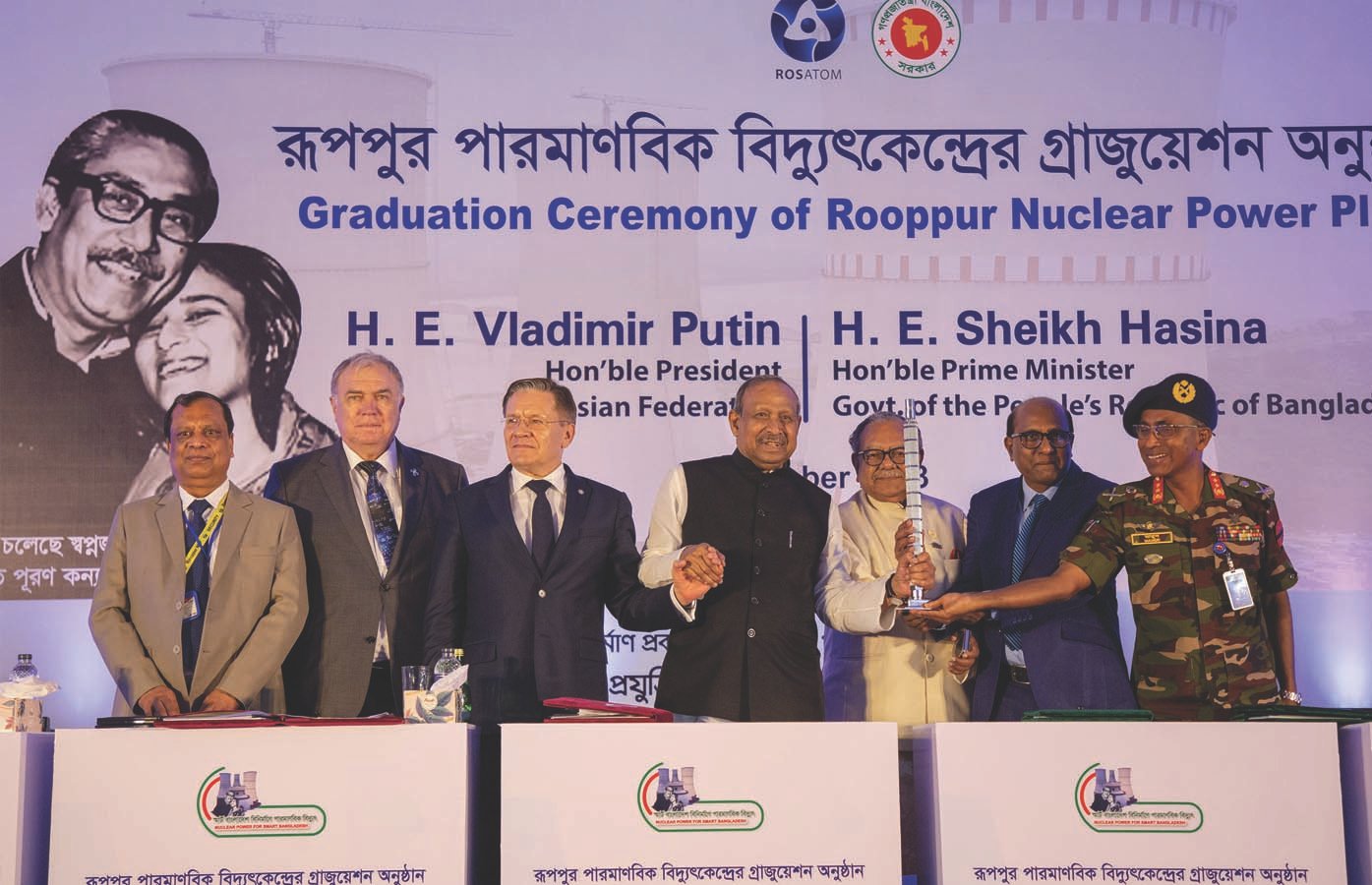
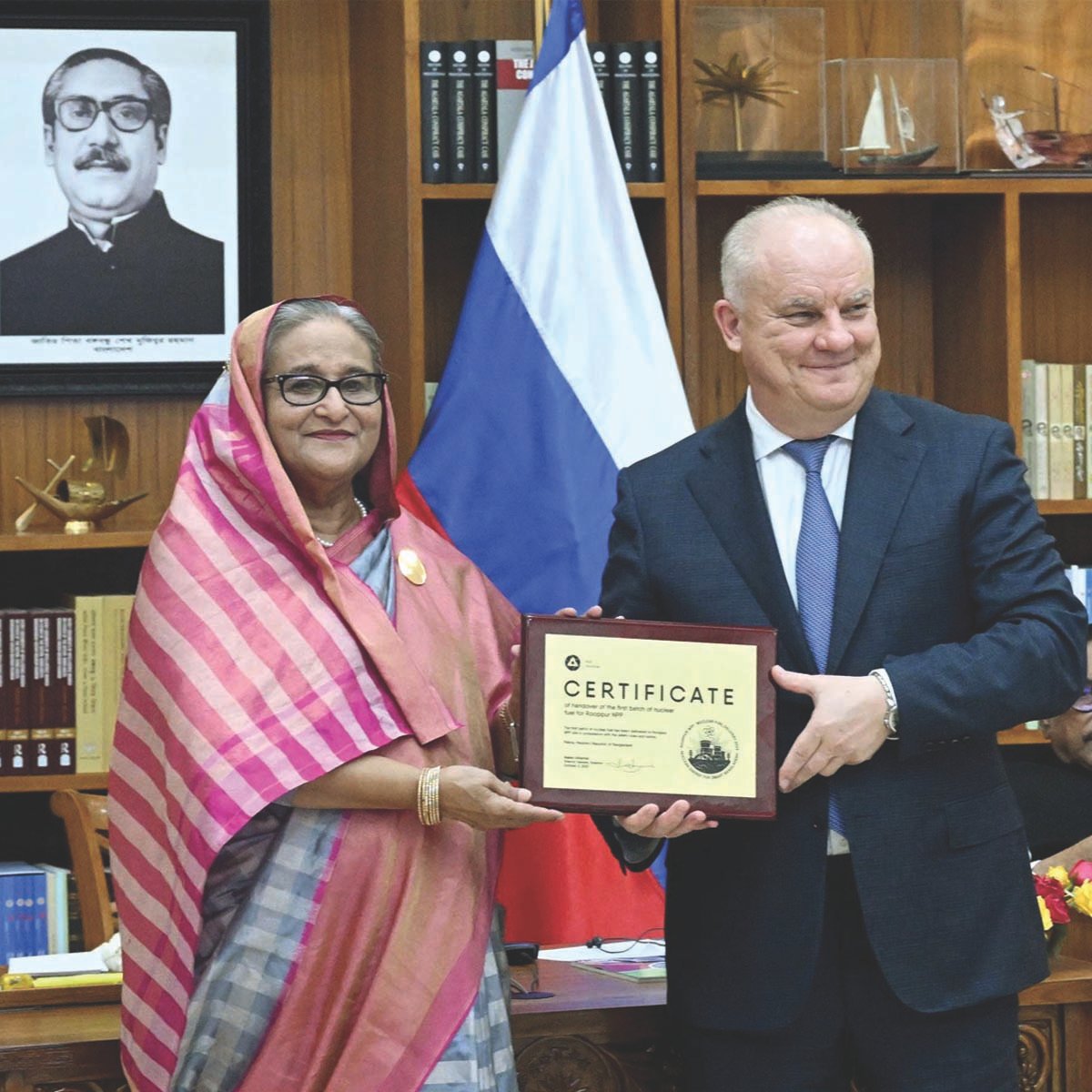
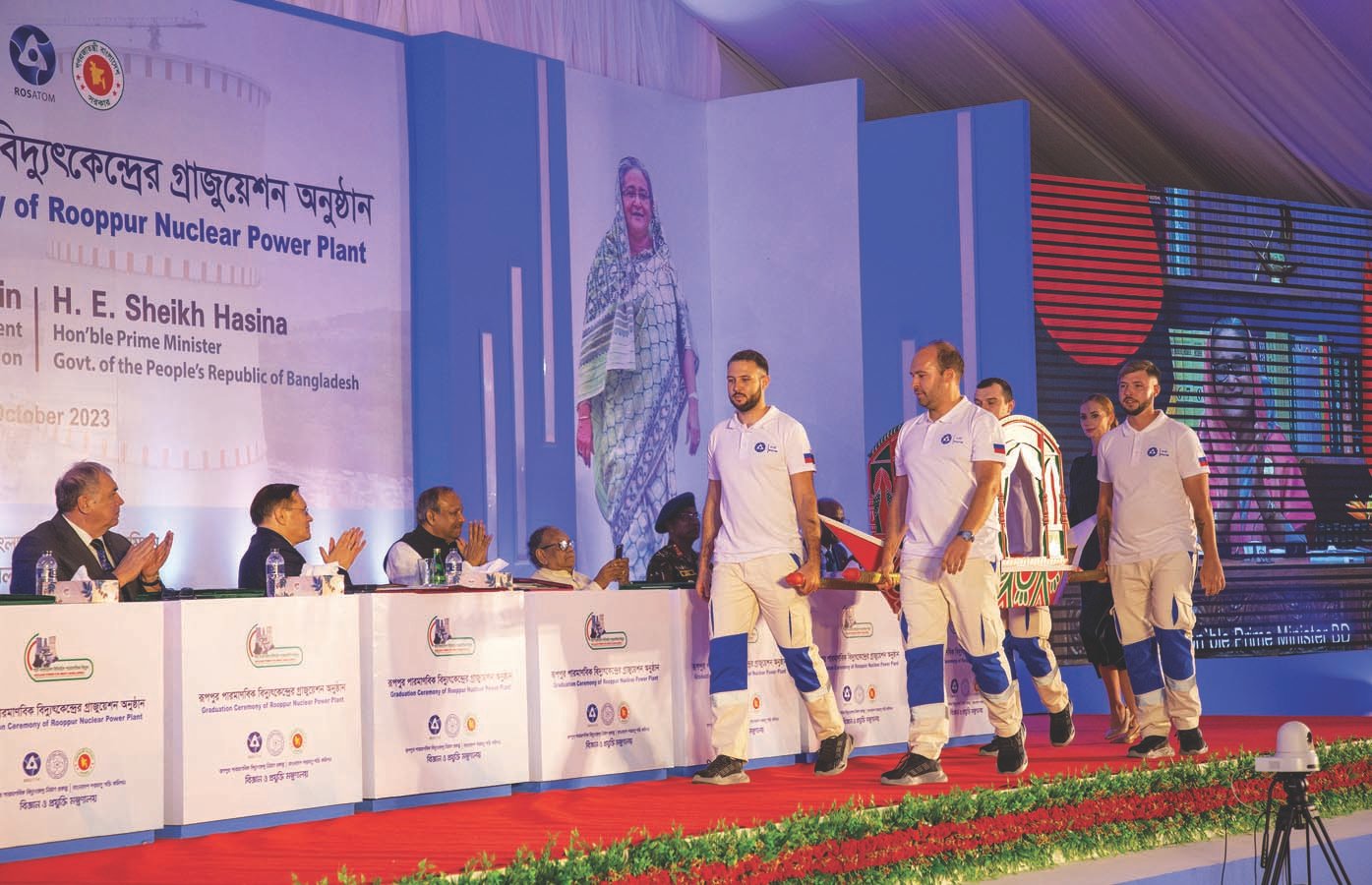
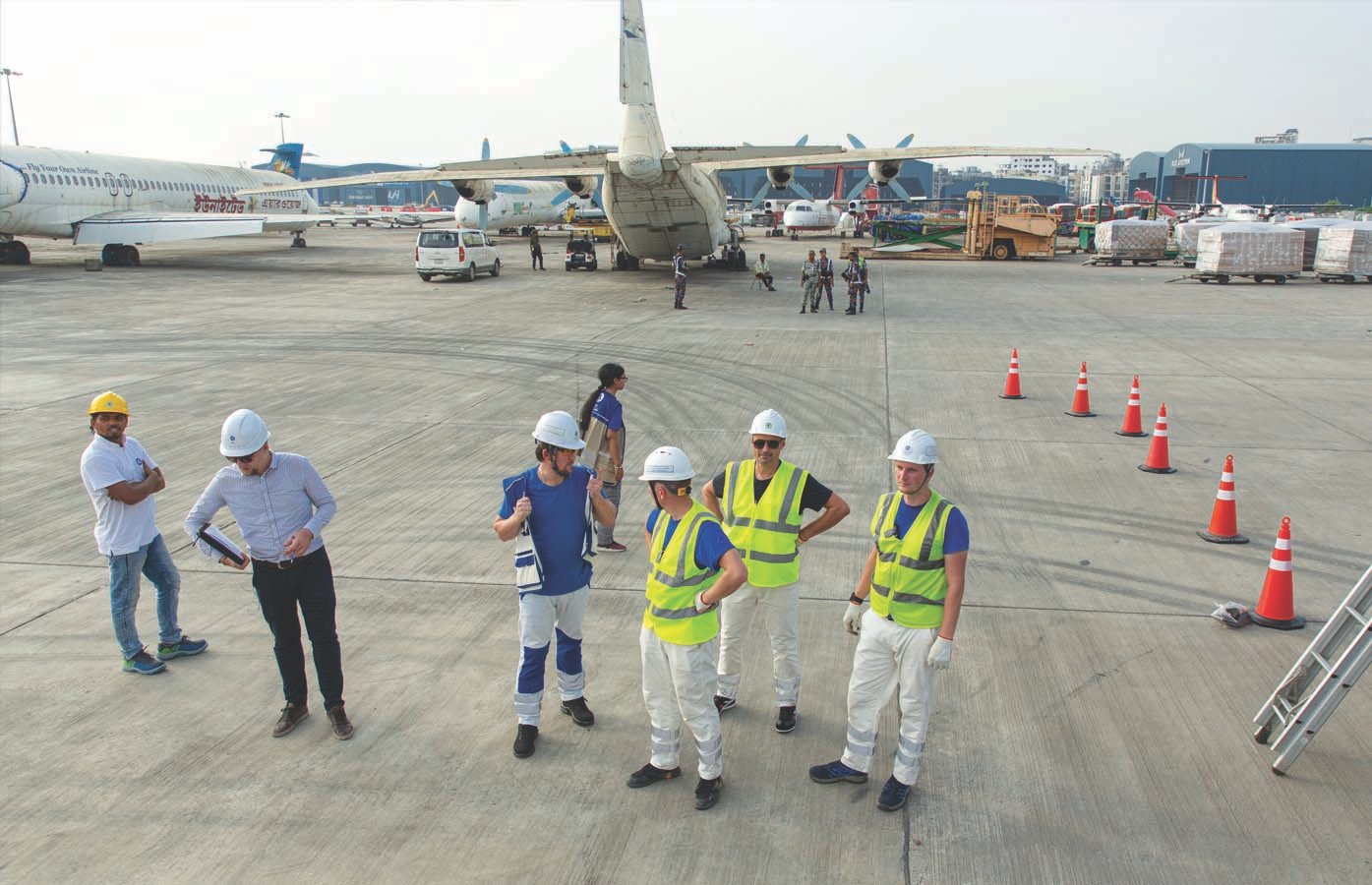
Bangladesh marked a ground-breaking development event on October 5, 2023, after officially receiving the maiden shipment of uranium from Russia to feed the country’s first nuclear power plant at Pabna’s Rooppur. The event marked Bangladesh’s status as the 33rd nuclear energy nation in the world.
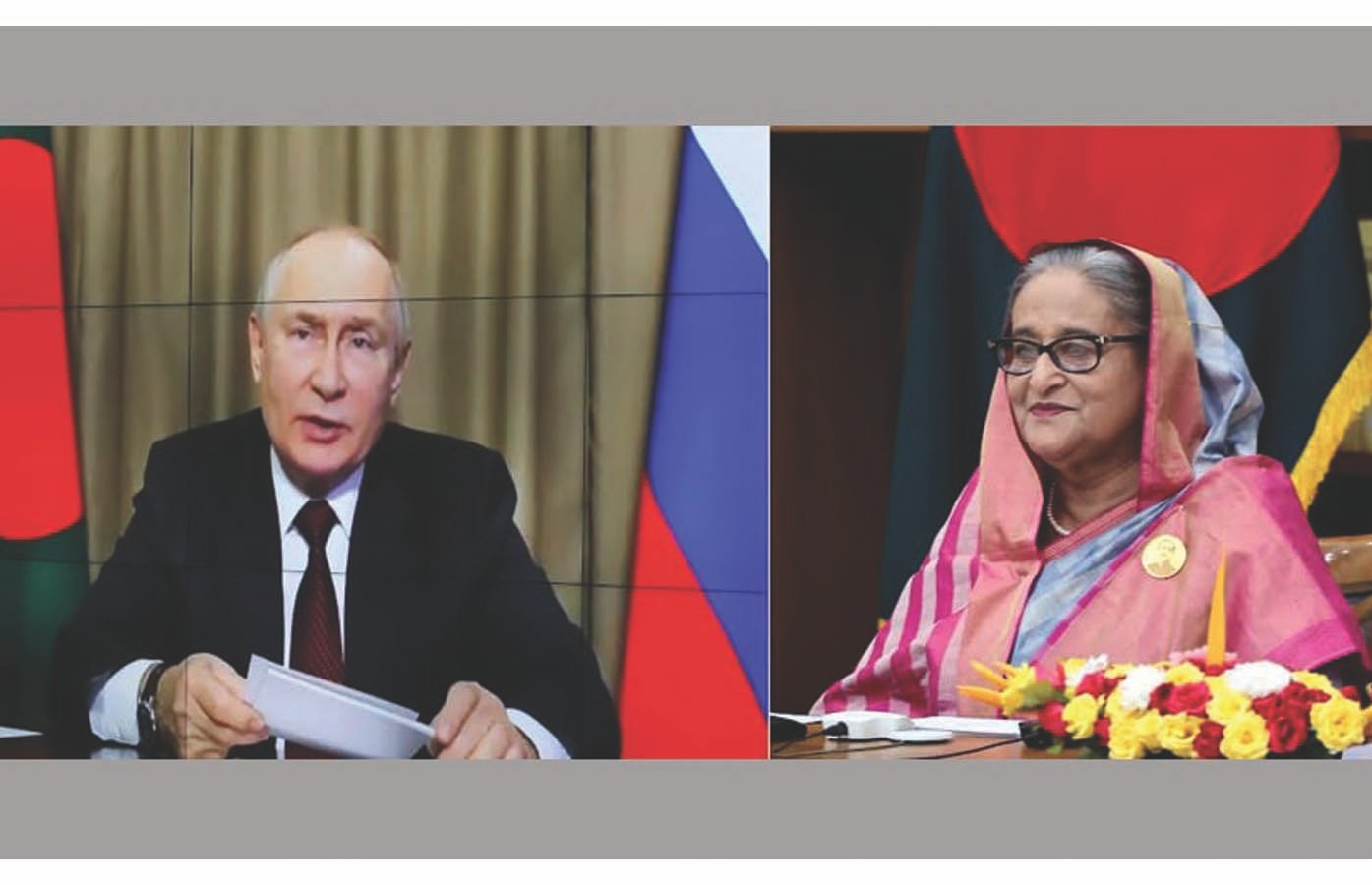
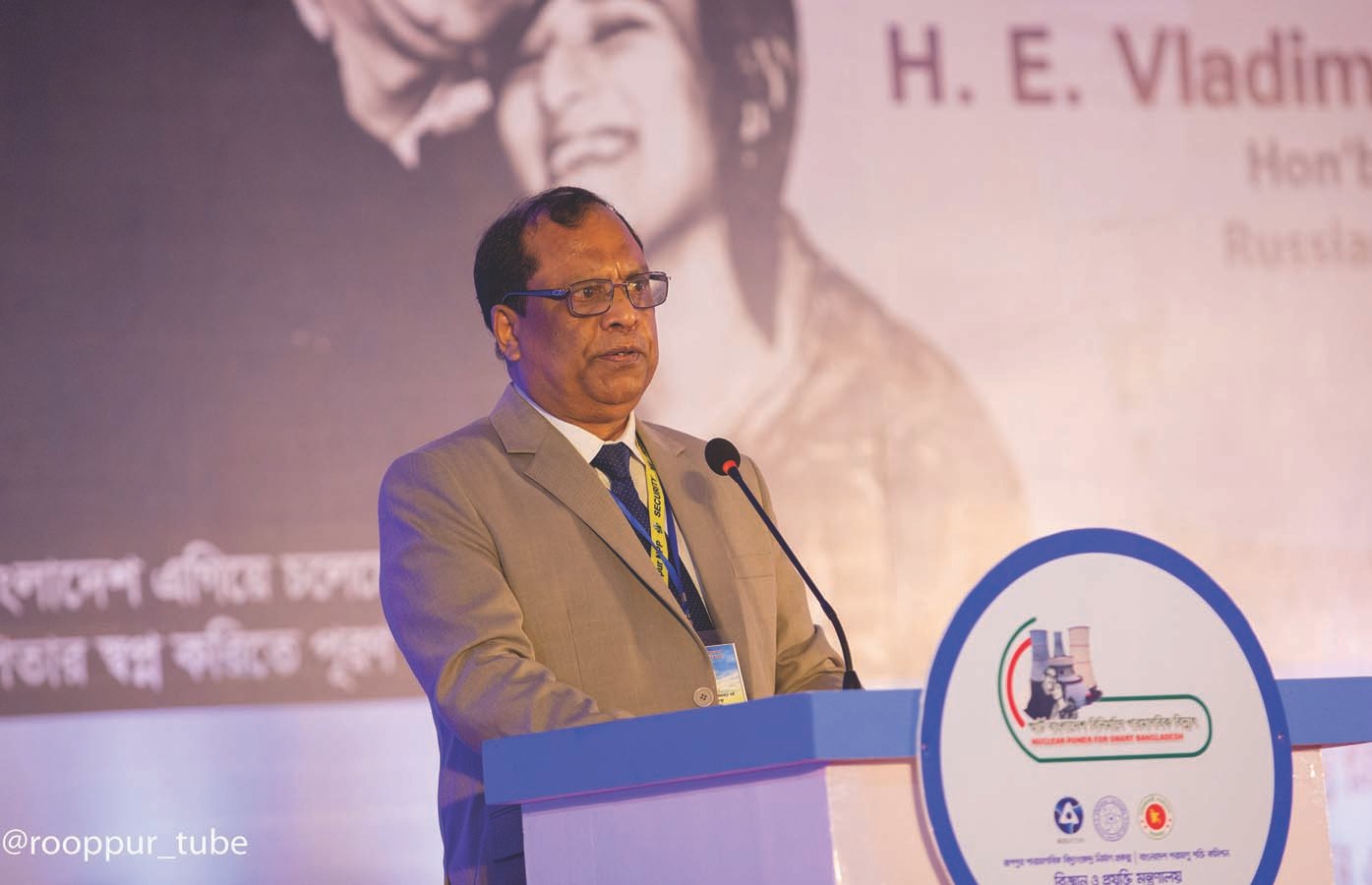
The momentous occasion took place at a formal "Graduation Ceremony" on the Rooppur Nuclear Power Plant (RNPP) ground in Ishwardi, as Bangladesh’s Prime Minister Sheikh Hasina and Russian President Vladimir Putin participated virtually, connecting from Ganabhaban and the Kremlin, respectively. The gala occasion signifies how important RNPP is to both Dhaka and its long-time friend Moscow. Putin, one of the most powerful leaders of the world, attended the program through video-conferencing for about 90 minutes.
All seven uranium fuel consignments will reach the plant site by the end of this month, taking the country to a new height—among the developing world—for joining the elite club of nuclear power generation.
When a few of the developed countries are trying to contain their nuclear power generation, the technology turns out to be a boon for the developing nations. Their challenges of meeting ever increasing electricity demand and promoting sustainable economic growth while lowering CO2 emissions could only be met by producing nuclear energy.
The project authority expects that the trial operation of the first unit may start in September 2024 after loading the fuel in the reactor in phases. However, the commercial operations will begin in 2025. It is being said that the entire 2,400 MW power plant, which cost $12.65 billion, may start feeding the national grid in 2026. It is interesting to note that RNPP is the lone mega project in Bangladesh which did not add any additional expenses though its tenure was extended due to Covid-19 pandemic and economic sanctions by the West on Russia.
What Will Be The Tariff Per Unit?
However, the tariff of per unit of electricity has not yet been worked out by the authorities. Some RNPP project officials had said the tariff would be around $0.04, or 4 cents, per kilowatt hour - about Tk 3.50 when the US dollar rate was below Tk 80. Russian experts in their papers sent to the RNPP officials mentioned an even lower tariff, about $.0319 or 3.2 cents.
Meanwhile, Power Cell Director General Mohammad Hossain, told a leading English daily recently that both the BPDB and the BAEC were in continuous discussion to settle the tariff issue.
The project director of RNPP and managing director of the newly formed Nuclear Power Company of Bangladesh Limited (NPCBL), Dr. Mohammad Shawkat Akbar, speaking to news agency UNB earlier, had also provided a guesstimate worth $0.04 (4 cents).
He said RNPP's electricity tariff calculation could be based on 50 years’ of stable fuel price, 50 years' operational tenure and the capital investment cost. The main factor which keeps the tariff low is the low discount rate of the project. He also said calculation of plant factor at 93 percent has been another reason for a lower tariff.
It is worth citing here that the International Energy Agency projections show developing countries will comprise 40 percent of the total global nuclear energy generation by 2035, up from 17 percent in 2010. China, India and Russia are installing 69 percent of the nuclear reactors. Currently, Turkey has no operating commercial nuclear reactors. However, four VVER-1200 reactors at the Akkuyu Nuclear Power Plant, are currently under construction and expected to come online this year. The Turkish government is aiming for 20 GW of nuclear electricity. Vietnam and Jordan are also contemplating to have their first civilian nuclear reactors.
In Bangladesh, the VVER-1200/523 Nuclear Reactor and critical infrastructures are being built by the Russian Rosatom State Atomic Energy Corporation. In the main construction period, the total number of employees reached 12,500, including 2,500 specialists from Russia. It is expected to generate around 15% of the country's electricity when commissioned.
The ground preparation work commenced for RNPP in 2016. The project worth $12.65 billion is mostly funded by a loan from the Russian government.
Rosatom will operate the units for the first year before handing it over to Bangladeshi operators. Russia will supply the nuclear fuel and take back what is known as spent nuclear fuel. However, there will remain some moderate-level radioactive dust and other residues for disposal, which have yet to be worked out by the government of Bangladesh.

When the Covid-19 pandemic struck Bangladesh in early 2020, many projects such as the Dhaka Metro Rail were stalled, but RNPP kept on moving. The project could finally be running late by some 18 months with no escalation in cost. In Bangladesh, it has been a norm that as the project deadline extends, the cost of the scheme largely goes up, too.
The project developments in this period incorporate Rosatom’s engineering company, Atommash, doing hydraulic tests for Rooppur Unit I.
Russia’s invasion of Ukraine in 2022, however, resulted in international sanctions and restrictions on the movement of Russian capital and personnel. By 2022, Russia claimed its work on the plant was unaffected.
As the plant received its first shipment of uranium, it signaled a milestone for the project.
How Safe Is The Plant?
VVER-1200/523 is one of the latest Generation III+ nuclear reactors. Design feature of the nuclear reactor is layered safety barriers preventing escape of radioactive material. The reactor has five layers:
1. Fuel pellets: Radioactive elements are retained within the crystal structure of the fuel pellets.
2. Fuel rods: The zircaloy (zirconium alloy) tubes provide a further barrier resistant to heat and high pressure.
3. Reactor shell: a massive steel shell encases the whole fuel assembly hermetically.
4. Core catcher: A core catcher is a device provided to catch the molten core material (corium) of a nuclear reactor in case of a nuclear meltdown and prevent it from escaping the containment building.
5. Reactor building: A concrete containment building is the last line of defense. It prevents the escape of radiation. It also protects from external damages.
The nuclear part of the plant is housed in a single building acting as containment and missile shield. Besides, the reactor and steam generators include an improved refueling machine and computerized reactor control systems.
Likewise, protected in the same building are the emergency systems including an emergency core cooling system, an emergency backup diesel power supply, and a backup feed water supply. A passive heat removal system had been added to the VVER-1200. The system is based on a cooling system and water tanks built on top of the containment dome. The passive systems handle all safety functions for 24 hours, and core safety for 72 hours.
Other new safety protocols include aircraft crash protection, hydrogen recombiners, and a core catcher to contain the molten reactor in the event of a severe accident. Russia's arms manufacturer Almaz-Antey is installing cooling systems for the Rooppur Nuclear Power Plant.
The Integrated Regulatory Review Service (IRRS) mission of the International Atomic Energy Agency (IAEA) visited the plant at various stages of construction. And, it turns out they are satisfied with the progress.
For so many reasons, electricity generation using nuclear fission reactions enjoys some advantages over fossil fuel-based power generation. During nuclear fission, a neutron collides with a uranium atom and splits it, releasing a large amount of energy in the form of heat and radiation. More neutrons are also released when a uranium atom splits. Some of the key advantages of nuclear power plants include:
1. Low Greenhouse Gas Emissions: Nuclear power generates electricity with very low greenhouse gas emissions, making it an important tool for addressing climate change. Unlike fossil fuels (coal, oil, and natural gas), nuclear reactors do not produce carbon dioxide during electricity generation.
2. High Energy Density: Nuclear fuel, typically uranium or plutonium, has an extremely high energy density. A small amount of nuclear fuel can generate a significant amount of electricity, allowing for consistent power production.
3. Baseload Power: Nuclear power plants provide baseload electricity, which means they can operate continuously and reliably, irrespective of weather conditions or time of day. This makes them a stable and dependable source of power in the energy mix.
4. Fuel Availability: Uranium, the primary fuel for nuclear reactors, is relatively abundant in the Earth's crust, and current reserves are sufficient for many decades or more. Additionally, advances in nuclear technology, such as breeder reactors, can extend the availability of nuclear fuel.
5. Energy Security: Nuclear power can enhance energy security by diversifying the energy mix of a country. It reduces dependence on imported fossil fuels, making countries less vulnerable to fluctuations in fuel prices and supply disruptions.
6. Long Operating Life: Nuclear power plants are designed to have long operating lifespans, often exceeding 40 years, and can be extended with upgrades and refurbishments, potentially providing several decades of electricity generation.
7. Minimal Land Footprint: Nuclear power plants occupy relatively small areas compared to many renewable energy installations like wind and solar farms. This is advantageous in locations with limited available land.
8. Reliable and Stable Energy Supply: Nuclear reactors are highly reliable and can provide a stable energy supply, reducing the risk of blackouts and ensuring a consistent power grid.
9. Low Fuel Transportation Costs: Nuclear fuel is compact and energy-dense, so transportation costs are relatively low compared to fossil fuels, which can be costly and environmentally challenging to transport over long distances.
10. Low Operational Costs: Once a nuclear power plant is operational, it has relatively low operational and maintenance costs, especially when compared to fossil fuel power plants.
However, it's important to note that nuclear power also has its share of challenges and concerns, such as the management of radioactive waste, potential safety risks, high initial construction costs, and public perception issues. These disadvantages need to be carefully considered and managed when deciding to incorporate nuclear power into an energy strategy. Additionally, advancements in nuclear technology and regulatory improvements aim to address some of these challenges and enhance the overall safety and efficiency of nuclear power plants.
Bangladesh’s Commitment To CTBT
Meanwhile, Prime Minister Sheikh Hasina in a meeting with Rafael Mariano, Grossi, Director General, International Atomic Energy Agency (IAEA) last month in New York said Bangladesh is committed to abide by nuclear disarmament and non-proliferation policies. She recalled that Bangladesh ratified the Nuclear Non-Proliferation Treaty and Comprehensive Test Ban Treaty during her first tenure in office. She thanked IAEA for their technical support to the Bangladesh Atomic Energy Commission and its nuclear research reactor facility at Savar in the outskirts of the capital city, Dhaka.
Nuclear Energy And Sustainable Development
As a concept, relations between nuclear energy and sustainable development are holistic. The idea considers equity across countries and generations. It requires the balancing of often-competing environmental, social and economic factors. Even in the 1990s, sustainability from the perspective of energy supply had been considered simply in terms of the availability of fuel relative to the rate of use. Today, in the backdrop of climate change and environmental degradation, nuclear energy offers win-win situations for all from developing to middle income to developed nations.
We are seeing unregulated emissions from fossil fuels are causing climate change, environmental damage, and the premature death of an estimated 7 million people each year. The continued use of fossil fuels, therefore, has profound intra- and intergenerational social, economic and environmental implications.
The resulting dual challenge – the need to reduce harmful emissions and provide more energy to more people puts the energy sector at the heart of accomplishing sustainable development.
According to a study by the World Nuclear Association titled Nuclear Energy and Sustainable Development, “Sustainable development is development that meets the needs of the present, without compromising the ability of future generations to meet their own needs.”
Sustainable development is therefore the pathway to sustainability. For an activity, product or entity to be truly sustainable, it must achieve environmental, economic and social sustainability in balance: the three 'pillars'.
The study further says, the United Nations recognizes climate change as “the most systemic threat to humankind”. As such, addressing it is generally considered the most significant and urgent sustainability challenge. Climate change is stemming from increasing accumulation of CO2 in the Earth’s atmosphere. Given that three-quarters of anthropogenic CO2 emissions result from the burning of fossil fuels for energy, the main focus should be on deploying energy technologies that emit only small amounts of CO2 per unit of energy.
Nuclear Power Reactor Challenges
Serious challenges remain in expanding or introducing a nuclear energy infrastructure in any developing country. Major barriers include the high cost of building nuclear power plants, the time required to develop robust legal and regulatory frameworks, the long-term commitment required, establishing a sustainable safety and non-proliferation culture, small grid sizes and lack of interconnections, and lack of human resources capacity. No matter what the challenges are, a nuclear power plant will enhance Bangladesh’s geopolitical importance in South Asia.
Amid an energy transition from fossil fuel to nuclear one, Bangladesh’s energy base will be more stable.
According to a study done by International Relations, an open research publishing platform of the faculty of political science and international studies under the University of Warsaw, geopolitics is crucial regarding Bangladesh's endorsement of nuclear power.
The study, published last year and done by Ushan Ara Badal, said: “Nuclear energy is expected as a good option for Bangladesh like South Korea which is marked as one of the rapidly growing economies that rely on nuclear energy. As a developing nation, Bangladesh needs to sustain its rapid economic growth that can grow further.”
Conclusion
Once known as a ‘bottomless basket,’ Bangladesh is now being lauded as a ‘South Asian miracle.’ Fifty years into its independence, Bangladesh is firmly graduating from the group of Least Developed Countries (LDCs) to a developing one. It is being projected to become one of the 25 largest economies in the world by 2035. We are seeing that the balance of world power is moving eastward and Bangladesh’s role becomes more and more prominent every day.
The crucial factor in Bangladesh's geopolitical play is its geography. As the country shares land borders with Myanmar and India and owns three sea ports, namely Chattogram, Mongla and Payra, it is pertinent to assume that this country will enjoy the economic benefit while bridging South Asia and Southeast Asia. With a vibrant energy mix, Bangladesh’s fast economic development will attract much attention from both the East and the West. Bangladesh must study the situation carefully and understand the intention of both of these politico-economic power rivals while utilizing any opportunities.
Click Here to Download Special Report as PDF/userfiles/EP_21_9_Special_Report_RNPP Takes Bangladesh Forward to Sustainable Development_Govinda Shil.pdf