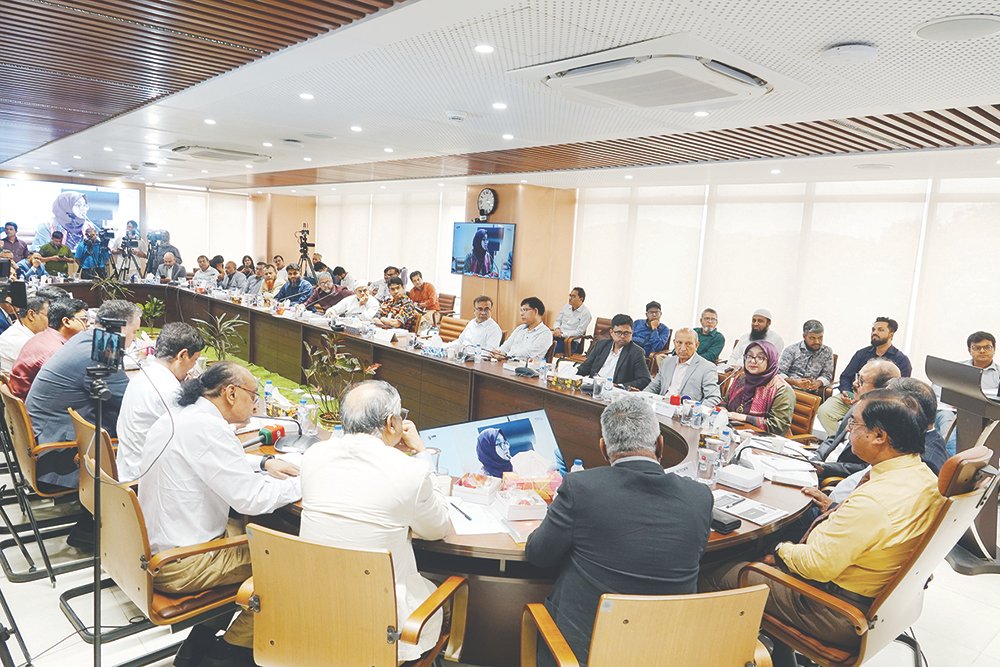
As Bangladesh’s LPG market continues to expand rapidly across households, industries, transport, and commercial establishments, concerns over safety are becoming increasingly urgent.
Industry experts, regulators, operators, and safety officials warn that while LPG remains a safe and efficient fuel when handled properly, weak compliance, poor awareness, inadequate training, and regulatory shortcomings are exposing users to avoidable risks.
At a recent roundtable, stakeholders emphasized that up to 80 percent of LPG-related accidents could be prevented through greater awareness, stricter enforcement of safety regulations, improved training, and stronger institutional oversight.
They called for a comprehensive policy framework backed by effective implementation to ensure the sustainable and safe growth of Bangladesh’s LPG sector.
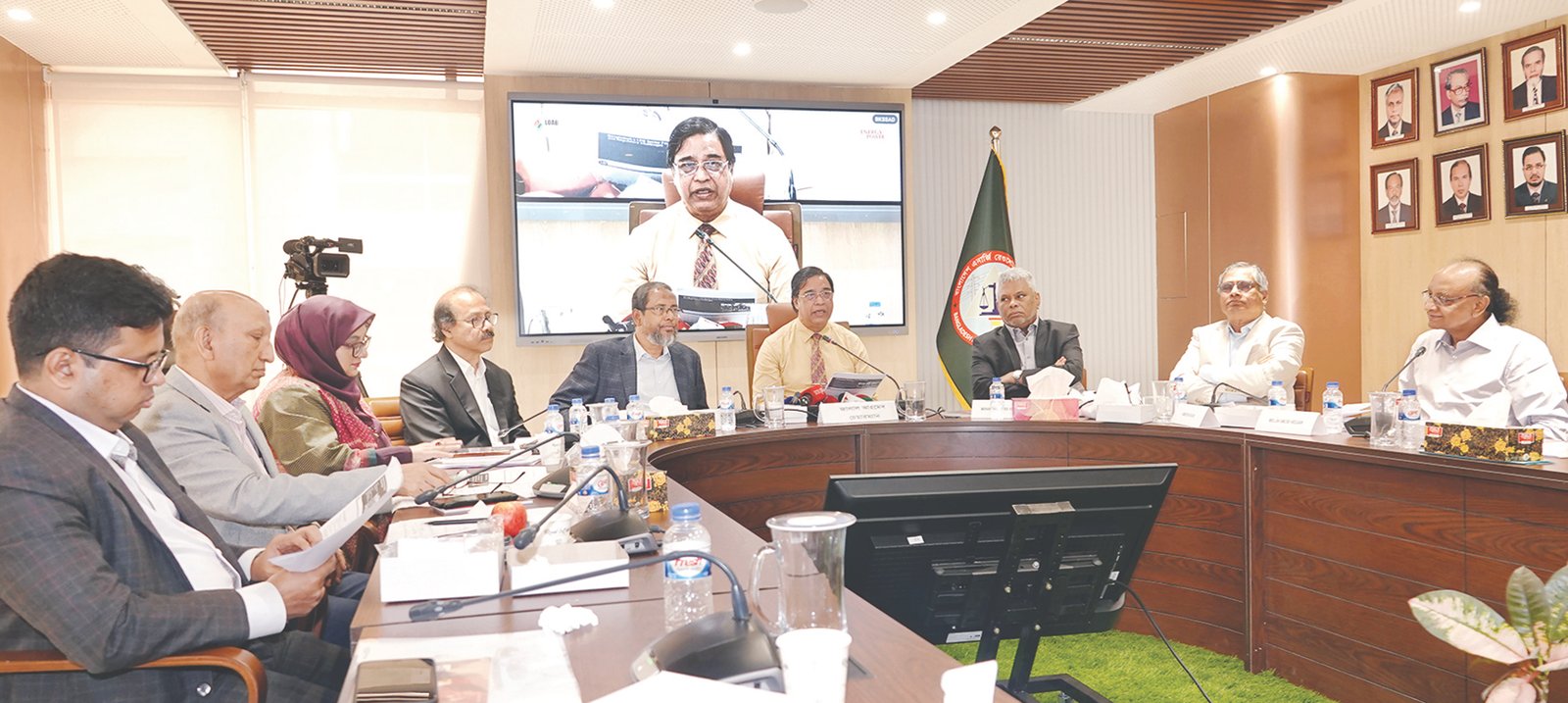
The roundtable, titled “Bangladesh’s LPG Sector Facing Growing Safety and Regulatory Challenges,” was jointly organized by the Bangladesh Energy Regulatory Commission (BERC), the LPG Operators Association of Bangladesh (LOAB), and Energy & Power at the BERC auditorium.
BERC Chairman Jalal Ahmed attended as the chief guest, while LOAB President Mohammed Amirul Haque presided over the event. A keynote paper was presented by Dr. Md Easir Arafat Khan, Professor of Chemical Engineering at BUET. The session was moderated by Energy & Power Editor Mollah Amzad Hossain.
Among others, BERC Member (Petroleum) Dr. Syeda Sultana Razia, Joint Secretary of the Energy and Mineral Resources Division AKM Fazlul Haque, REHAB Vice President A.K.M. Barkotullah, LOAB Vice President Humayun Rashid, LPG Autogas Stations and Conversion Workshop Association President Engr. Md. Serajul Mawla, Department of Explosives Assistant Inspector Muhammad Mehedi Islam Khan, Fire Service and Civil Defence Assistant Director Md. Iqbal Bahar Bulbul, and an energy professional Engr. Jakaria Jalal also spoke.
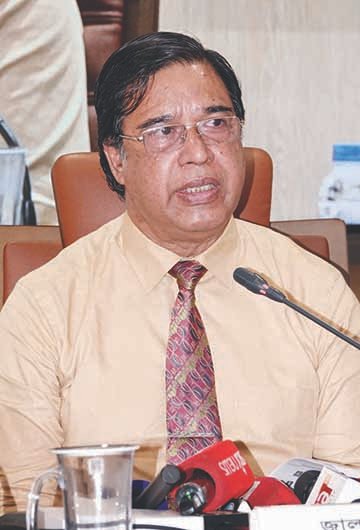
Jalal Ahmed
BERC Chairman Jalal Ahmed said Bangladesh continues to suffer from a poor safety management culture.
“If we cannot change this culture, it will be difficult to improve the situation,” he said.
He noted that LPG use is growing rapidly in households, vehicles, and industries, but safety practices have not kept pace. Safety, he said, must remain the priority because indiscriminate use of LPG can create significant risks.
Ahmed emphasized the need for structured training programs, beginning with training trainers who can subsequently educate workers involved in LPG handling, transportation, and distribution. He also said the government is consulting stakeholders to formulate a user-friendly and effective LPG policy that minimizes the need for frequent amendments.
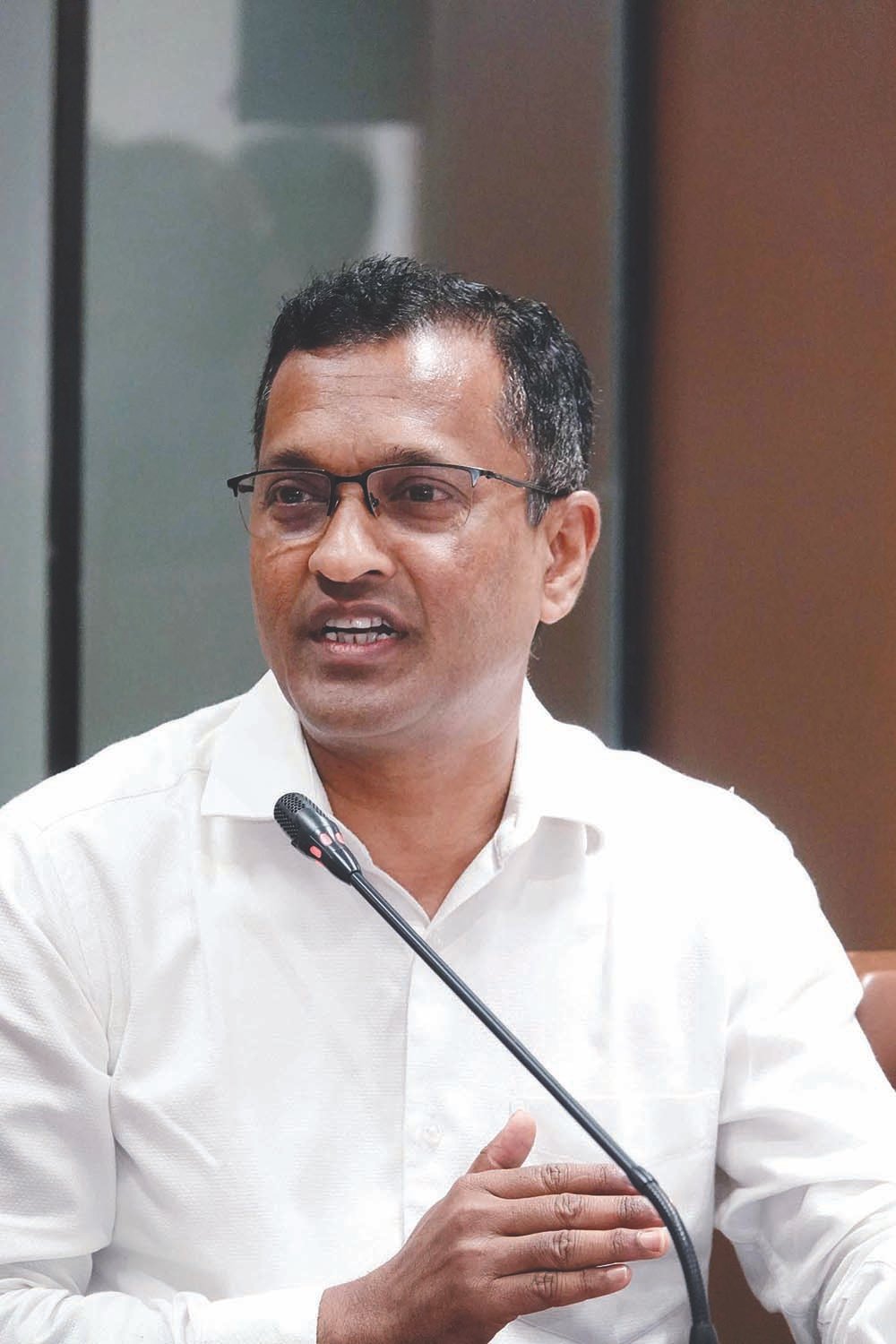
Mohammed Amirul Haque
LOAB President Mohammed Amirul Haque said Bangladesh does not face an LPG supply shortage; rather, the key challenge is developing a safer operating environment.
“With cooperation from all stakeholders, we can ensure safe transportation and use of LPG,” he said, stressing the need for strict compliance throughout the supply chain.
He added that industry operators are working together to improve safety standards and called for a rational pricing framework to support sustainable sector growth.
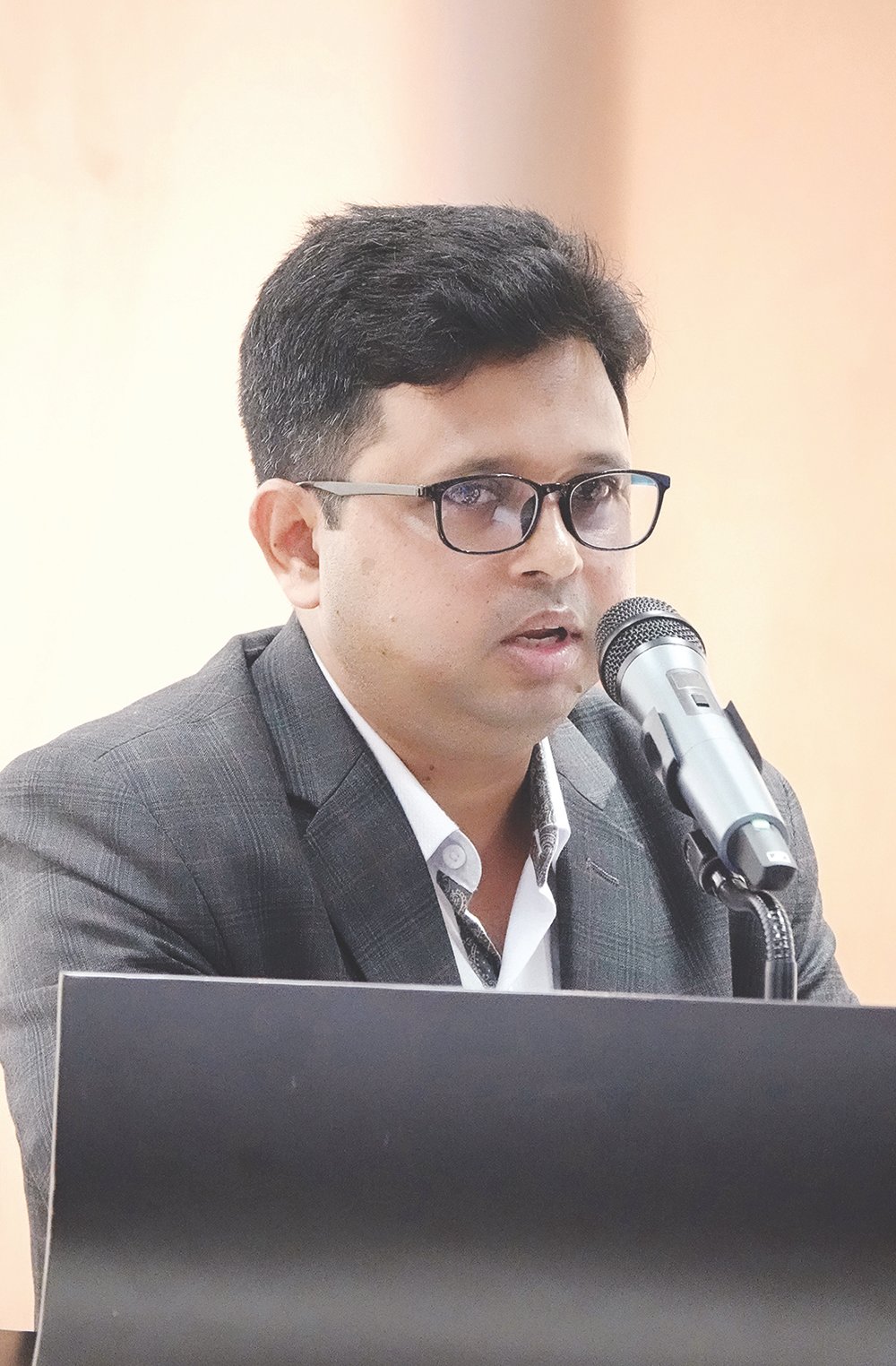
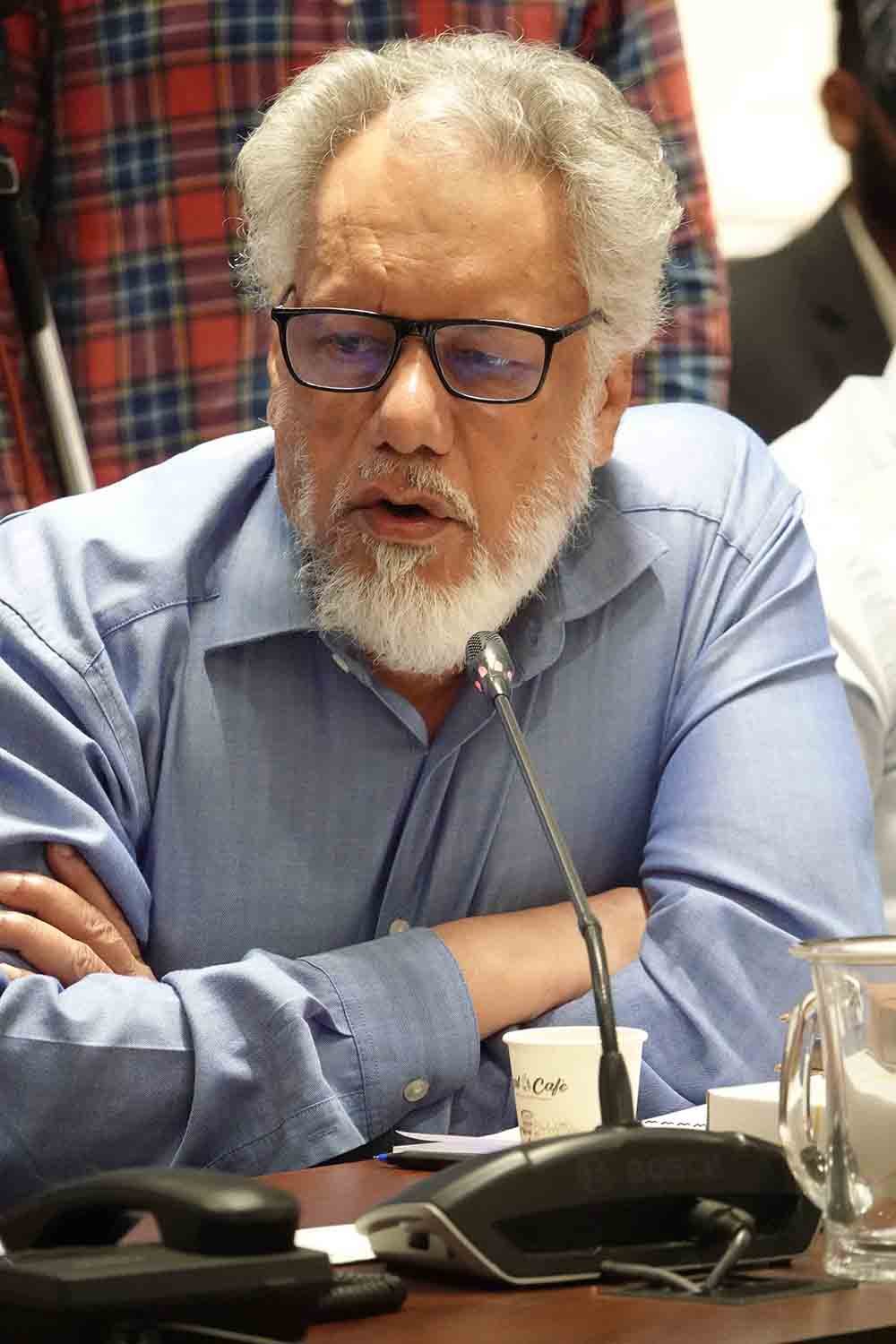
Easir Arafat Khan
In his keynote presentation, Dr. Md. Easir Arafat Khan argued that LPG is inherently safe when hazards are managed properly through established safety protocols.
According to him, risks associated with storage, transportation, and handling can be effectively controlled through compliance, training, and disciplined operations. However, weak enforcement, poor safety culture, and inadequate oversight continue to create vulnerabilities.
Dr. Arafat highlighted several major concerns, including widespread non-compliance among autogas stations, many of which reportedly operate without proper licenses and documentation. He also pointed to the absence of certified gas detection systems, emergency shutdown systems, and adequate leak detection mechanisms at many facilities.
The lack of specialized training and licensing for technicians and transport operators further increases safety risks, he said. Illegal cylinder cross-filling, unauthorized cylinder cutting and scrapping, and the operation of unlicensed LPG road tankers remain major concerns.
Public awareness is also insufficient. Many consumers are unfamiliar with proper leak response procedures and safe equipment usage, increasing the likelihood of accidents.
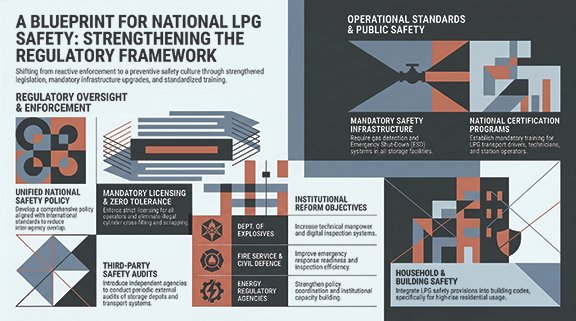
To address these challenges, Dr. Arafat recommended stricter licensing requirements, stronger regulatory enforcement, mandatory safety audits, third-party inspections of high-risk facilities, and nationwide awareness campaigns. He also called for mandatory gas detection, fire protection, alarm systems, preventive maintenance programs, and standardized equipment specifications.
A comprehensive national LPG policy aligned with international standards is also needed, he said.
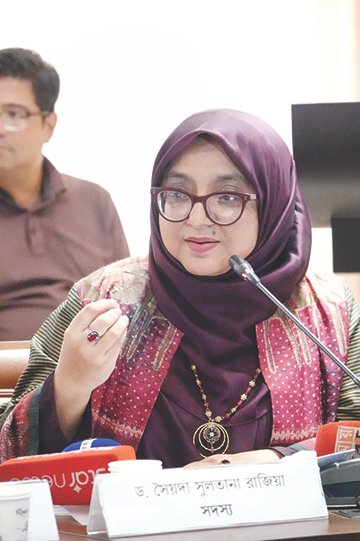
Syeda Sultana Razia
BERC Member Dr. Syeda Sultana Razia agreed that awareness alone could reduce LPG-related accidents significantly.
“Safety cannot be compromised,” she said, noting that many accidents go unreported and that public education and training campaigns could prevent a large number of incidents.
She acknowledged manpower shortages at the Department of Explosives and said authorities are considering involving third-party organizations to strengthen inspection and monitoring activities.
Razia also stressed the importance of maintaining proper propane-butane mixtures in LPG cylinders, warning that deviations from prescribed standards could create serious safety hazards.
While regulations and guidelines already exist, she noted that their effectiveness depends on proper implementation and compliance by all stakeholders. She also identified high-rise buildings as particularly vulnerable and called for additional precautions in such facilities.
AKM Fazlul Haque
Joint Secretary AKM Fazlul Haque said the rapid growth of the LPG sector has naturally increased safety concerns.
“Safety is everyone’s responsibility,” he said, emphasizing that poor-quality equipment and non-compliance significantly increase risks.
He acknowledged existing regulatory gaps and assured participants that the government is working to update regulations. Regular monitoring, stronger enforcement, and improvements in sector infrastructure will be necessary to address safety challenges, he added.
A K M Barkotullah
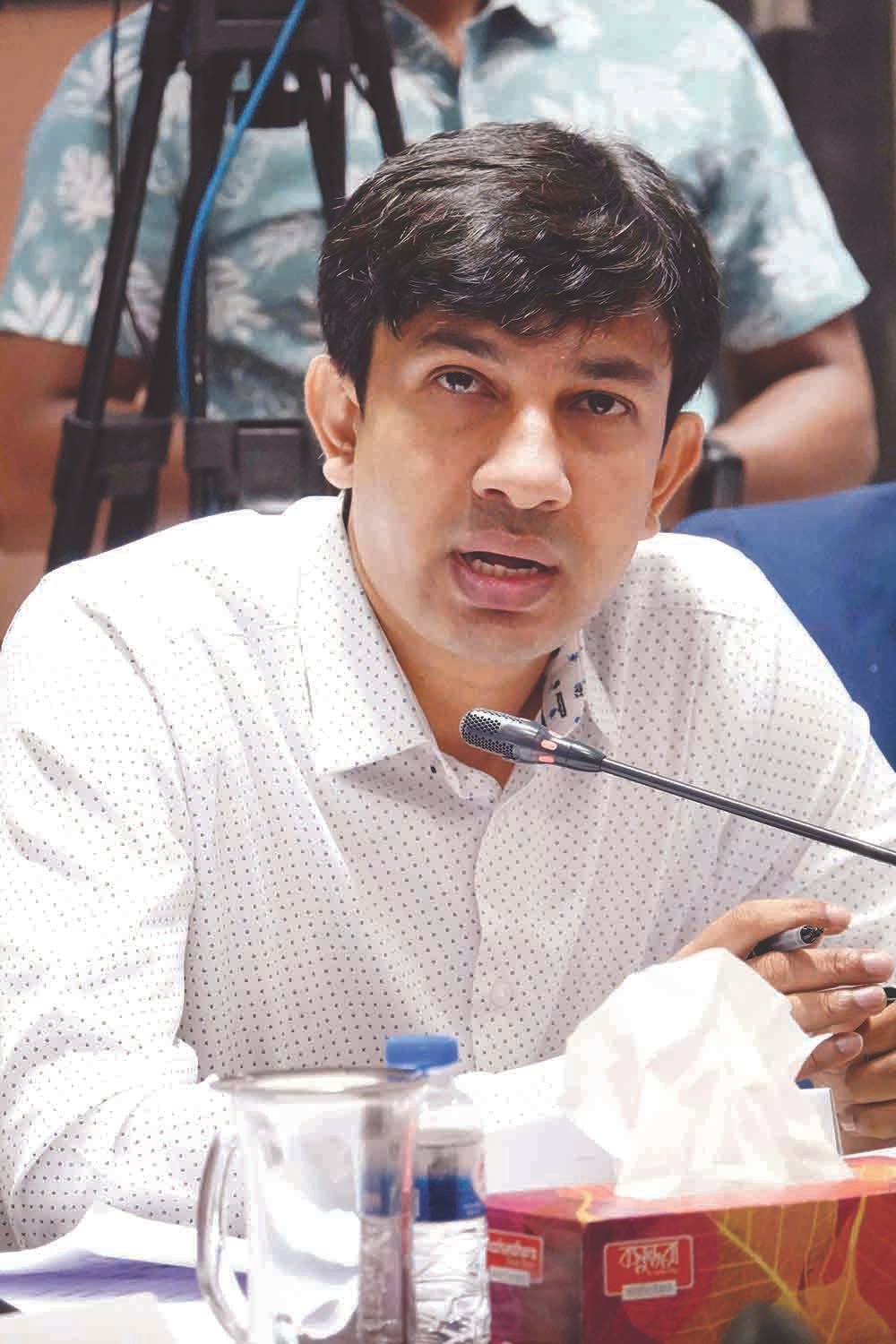
REHAB Vice President A.K.M. Barkotullah said developers now incorporate fire exits and fire safety plans in high-rise buildings, but specific guidelines for LPG use in such structures remain inadequate.
He called for dedicated safety standards for LPG installations in high-rise developments and stressed the need to improve maintenance and management systems.
Engr. Md Serajul Mawla
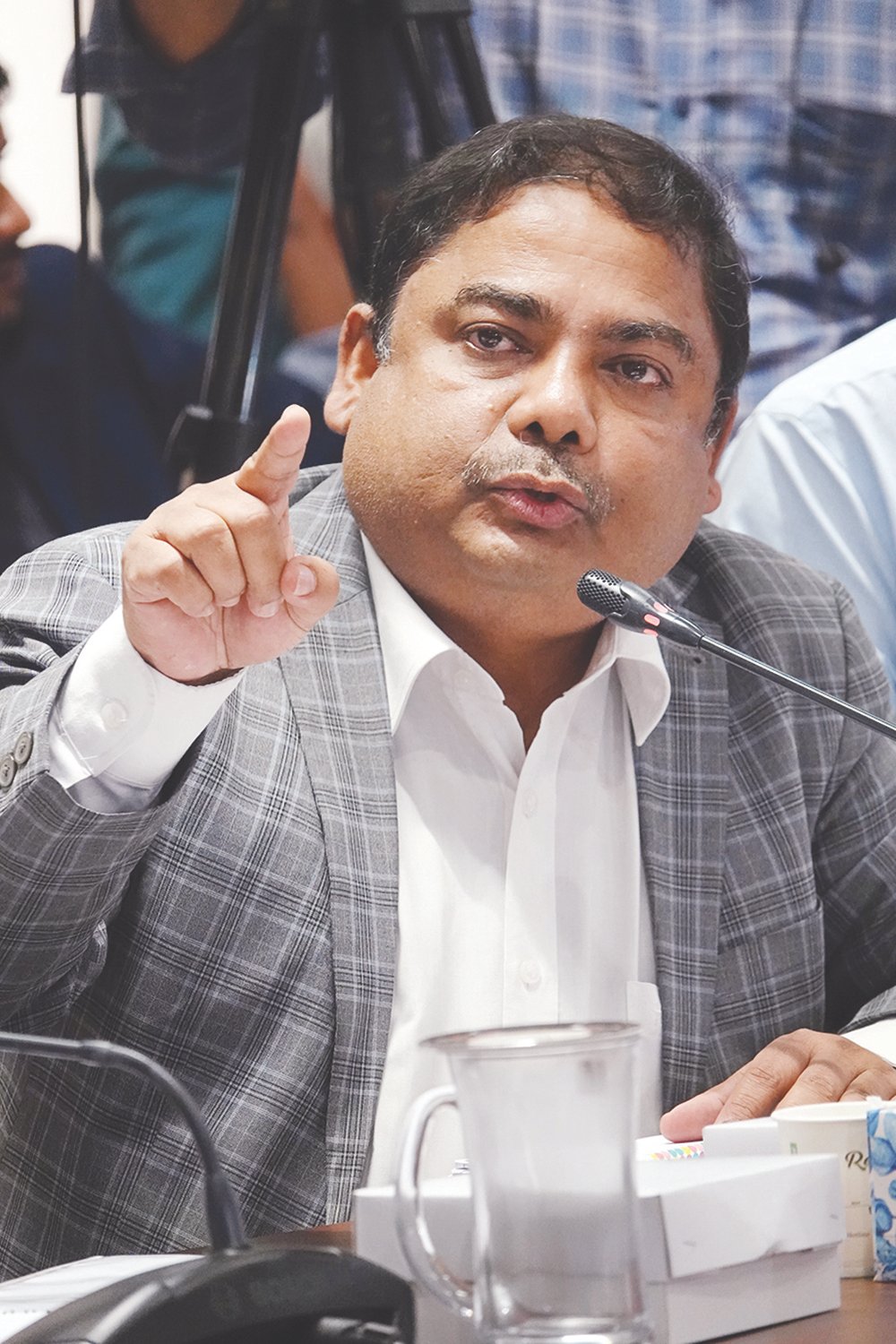
Meanwhile, Engr. Md. Serajul Mawla argued that existing LPG policies contain practical limitations that make compliance difficult.
He said operators frequently struggle with substandard equipment and insufficient user training. While supporting stronger safety regulations, he urged policymakers to revise existing rules through greater consultation with industry stakeholders.
“Rules should reflect the realities on the ground,” he said.
Open Discussion
Taking part in the discussion, LOAB president Amirul Haque said they want to ensure safety and security in the LPG sector with the cooperation of all concerned, and want to build a common platform to address all the problems. “The problem is there, but with getting all together we can prevent it, and will go ahead for the betterment of all.”
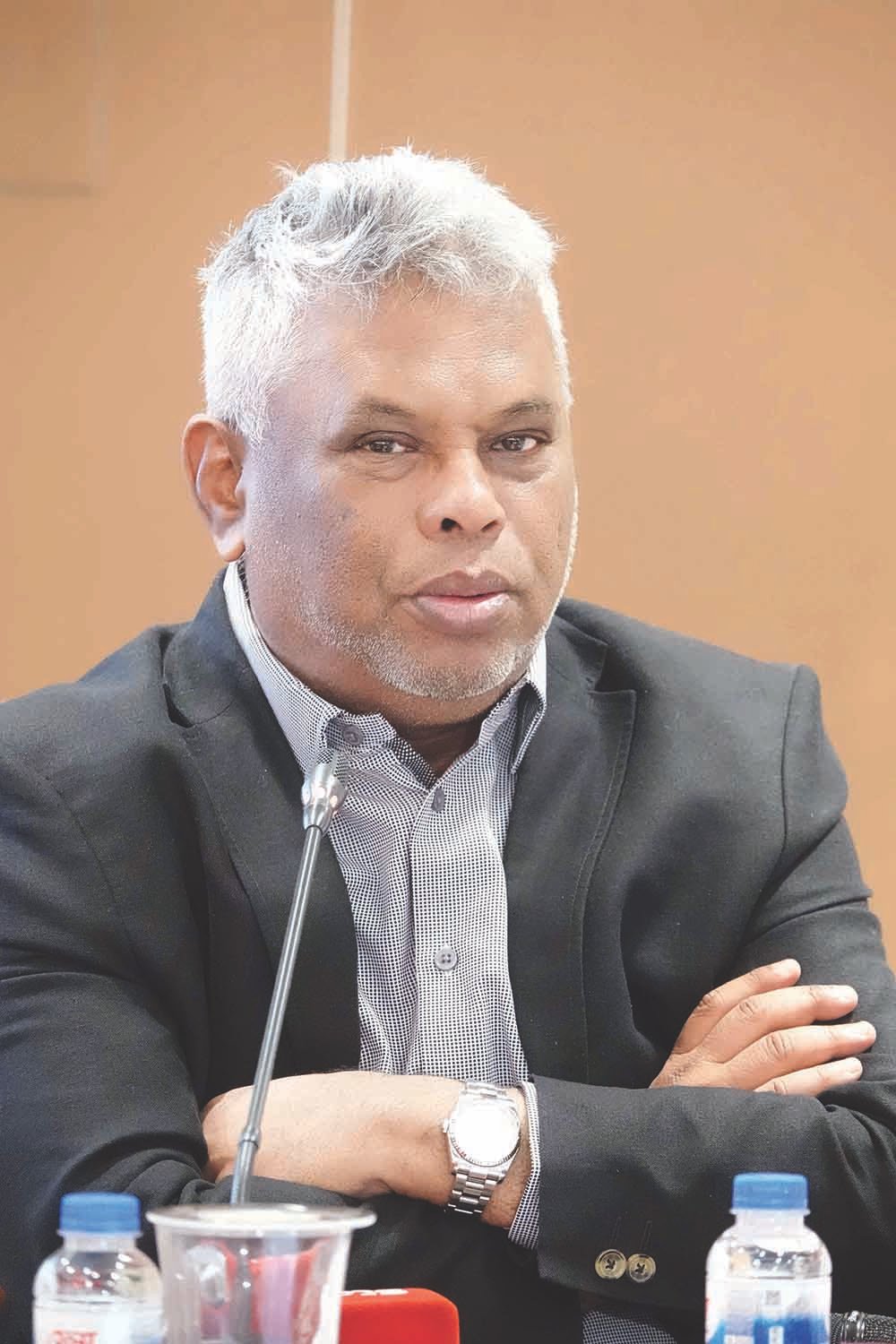
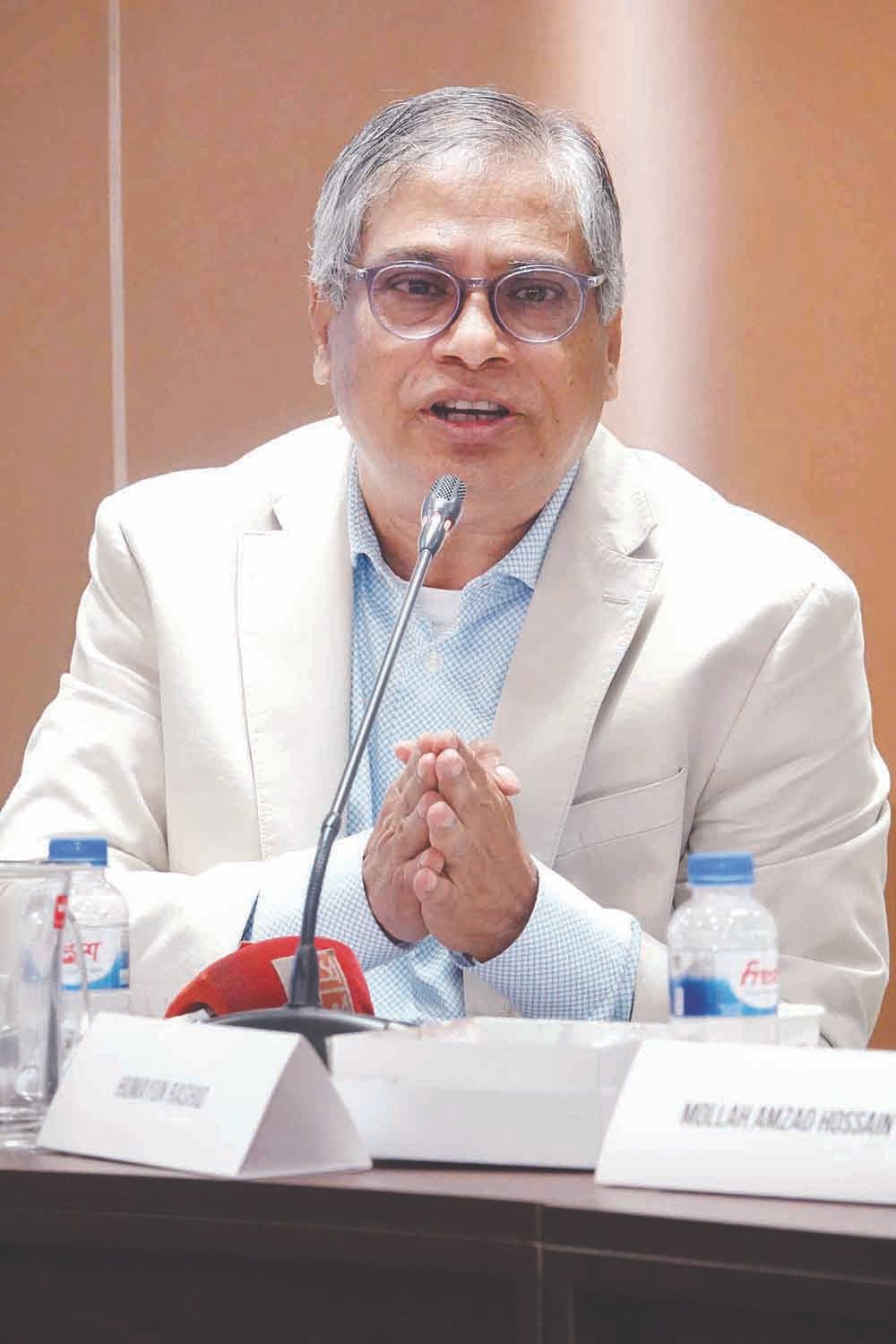
Humayun Rashid
LOAB Vice President Humayun Rashid called for year-round training programs under BERC’s supervision to strengthen stakeholder awareness and improve operational safety.
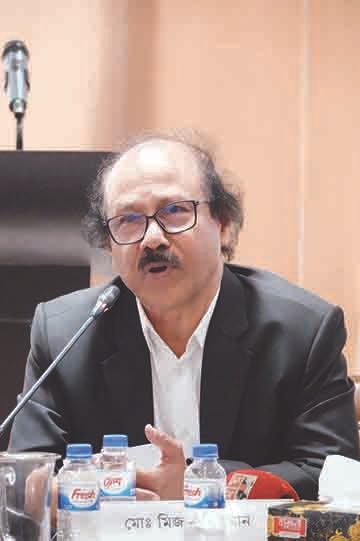
Mizanur Rahman
BERC Member Mizanur Rahman stressed the importance of maintaining proper gas composition and pressure levels, saying that adherence to technical standards could significantly reduce accident risks.
Muhammmad Mehedi Islam Khan
Department of Explosives Assistant Inspector Muhammad Mehedi Islam Khan highlighted severe manpower shortages within his department, which limit inspection and enforcement activities. Despite these constraints, he said efforts are underway to digitize services, speed up regulatory approvals, and seek technical support from BUET experts.
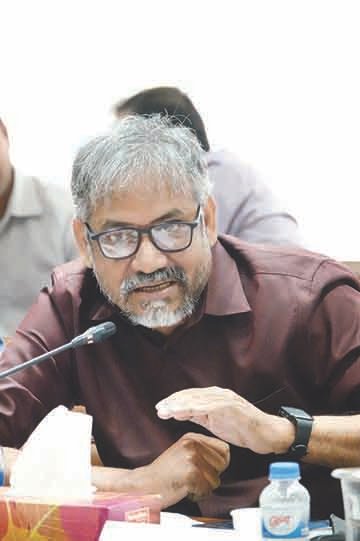
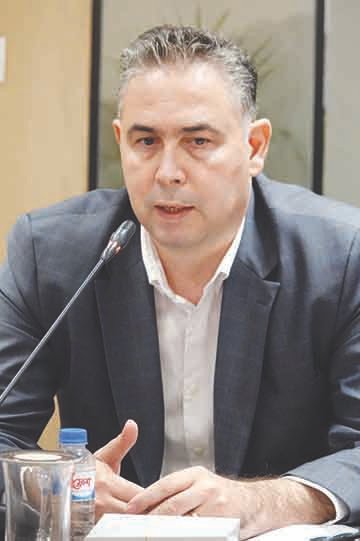
Iqbal Bahar Bulbul
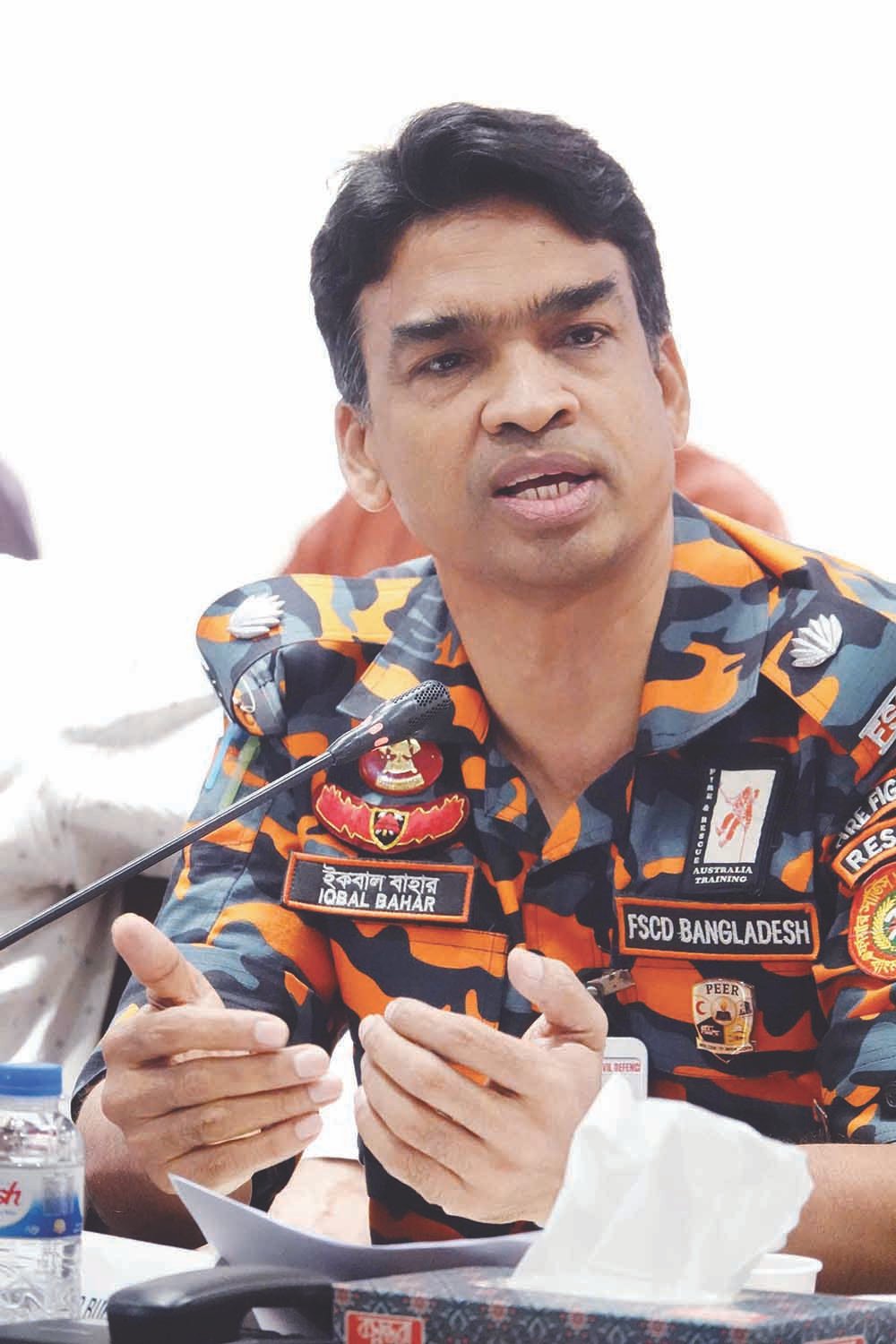
Fire Service and Civil Defence Assistant Director Md. Iqbal Bahar Bulbul noted that most LPG accidents occur in households due to inadequate awareness.
Many users lack even basic knowledge of safe handling practices, he said, stressing the importance of preventive measures such as fire extinguishers, fire blankets, and proper ignition procedures.
“It is much easier to extinguish a small fire before it becomes a major incident,” he said.
Bulbul pointed to the garment sector as an example of how compliance and safety awareness can significantly reduce accidents.
Mohiuddin Khaled
Mohiuddin Khaled of G-Gas LPG said multiplication of cylinders will multiply the risk as well. And he suggested a single cylinder to reduce the risk of accidents. And also suggested policy regulation in this regard. Mehedi Hasan of Beximco LPG said the main focus should be on awareness of the people. Jakaria Jalal of Bashundhara Group said that while 2.5 lakh people are involved in India to look after the gas explosion safety issues, a few people are involved in Bangladesh.
Abu Sayeed Raza
Abu Sayeed Raza of Mehgna Fresh LPG suggested running the LPG road truck by the licensed persons, adding that an uncontrolled situation will be created if these are done by non-professionals. He also requested the authority to stop cross-filling of cylinders at the Autogas station, saying that otherwise the situation will go beyond control. Engr Liaqat Ali of Omera Gas also said cylinders should not be filled at Autogas stations. Engr Maidul said that cylinders should not be filled at an auto gas station, apprehending a high risk.
Engineer Saidul Islam
Engineer Saidul Islam, Partner, Siamgas Trading, said that compliances to be practiced by force. He also suggested some incentives, like tax vat benefits in this regard. 90 percent of installations have no reticulation permission, he said, suggesting controlling the reticulation system by force and introducing a safety audit system.
Osman Celik Chief
Osman Celik, Chief Financial Officer of United Aygaz LPG, said the safety rules should be followed and maintained properly. He said concerned people should also be cautious while they are taking LPG from one place to another by transport. He said proper training and giving a license are also necessary for the operators.
Conclusion
The discussion concluded with a broad consensus that Bangladesh needs stronger enforcement, greater public awareness, improved training, and more practical regulations to ensure safe LPG use.
Industry participants called for amendments to existing LPG policies, streamlined licensing procedures, and the establishment of a one-stop service center to improve regulatory efficiency.
Most importantly, stakeholders agreed that safety must become a shared responsibility among regulators, operators, transporters, technicians, and consumers if Bangladesh is to sustain the rapid growth of its LPG sector while protecting lives and property.
Download Roundtable As PDF/userfiles/EP_23_24_Roundtable.pdf