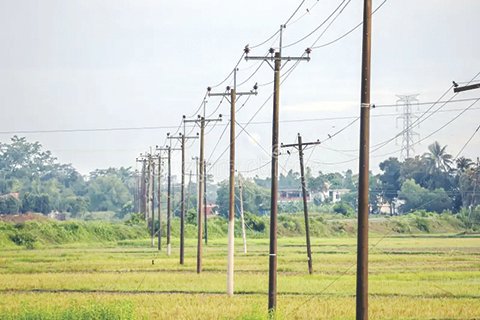
Bangladesh has nearly 40.9 million electricity users and most of them brace for a fresh hike in electricity prices. The talk of hiking the electricity prices comes even as the consumers – mostly lower-income groups – are already paying higher prices for fuel, LPG and essential commodities. High commodity prices, including that of food, have pushed the rate of inflation above 9% and it is likely to go up amid price hike before the upcoming Eid-ul-Azha-the Islamic festival of animal sacrifice – scheduled to be celebrated later this month.
Last month, effective from April 19, the government raised the retail prices of diesel, petrol, octane and kerosene even as the global oil prices jumped following the US-Israel war on Iran. The extra bucks have been passed on the consumers, motorists, passengers and goods transporters. Farmers dependent on diesel-run pumps for irrigation have been hardest-hit. The cost of both industrial and agricultural production has gone up and there is no guarantee of reining it. The government sees little option but to increase the electricity tariffs even if it knows quite well the hike will hard hit the people –especially the middle-and-lower-income groups. With global oil prices rising pushing up the amount of subsidies Bangladesh pays in fuel sector the government has been under pressure from lenders like International Monetary Fund to cut down the long-held practice of selling electricity at prices lower than the cost of production. The reserve of natural gas, which costs less than LPG and coal –has been going down. There have been some efforts at finding out new gas reserves, but more should have done. With Bangladesh’s thirst for fuel rising amid industrial growth the government in the past had taken a policy of importing LNG to meet the shortage. This policy has now boomeranged as the ongoing Middle East war has escalated the prices of LNG and other varieties of energy. Bangladesh as a result is now facing a difficult situation in energy supply. It is forcing the newly elected BNP government to take a few unpalatable decisions such as hiking fuel and possibly the electricity prices.
Hard times await the country and its people. Energy problem has hit the people at a time when the BNP government is preparing for presenting its first national budget since winning the 12th February elections. The budget for FY26-27 will be the first big test on how the new government tackles the economic and financial issues, many of those inherited from the previous administrations. It is caught between the dilemma of keeping the size of the national budget manageable and at the same time making more allocations for delivering on its election pledges. In delivering on its electoral pledges the government has started distributing different types of charity cards –such as family cards and farmers cards – triggering mixed reaction. The marginalized people have welcomed it as they will get the benefits. But the deliveries have come under the scrutiny of the International Monetary Fund (IMF) from whom Bangladesh is borrowing money to tide over the financial hardships. The Washington DC-based lender approved in 2023 a loan package of $4.7 billion, the amount rising to $5.5 billion with an $800 million top-up. Bangladesh has yet to receive $1.86 billion under the package as the IMF suspended the payment of further tranches, citing incomplete reforms in the revenue and banking sectors. The IMF deal was signed during the Awami League regime that collapsed on August 5, 2024. The current BNP government now says it may not be possible to fulfill all preconditions of the lender. Instead, it is seeking more money from the multi-lateral lenders like the Asian Development Bank (ADB) and the World Bank to weather the current difficulties.
Wishing good luck to the new government!
Download Column As PDF/userfiles/EP_23_23_Column.pdf