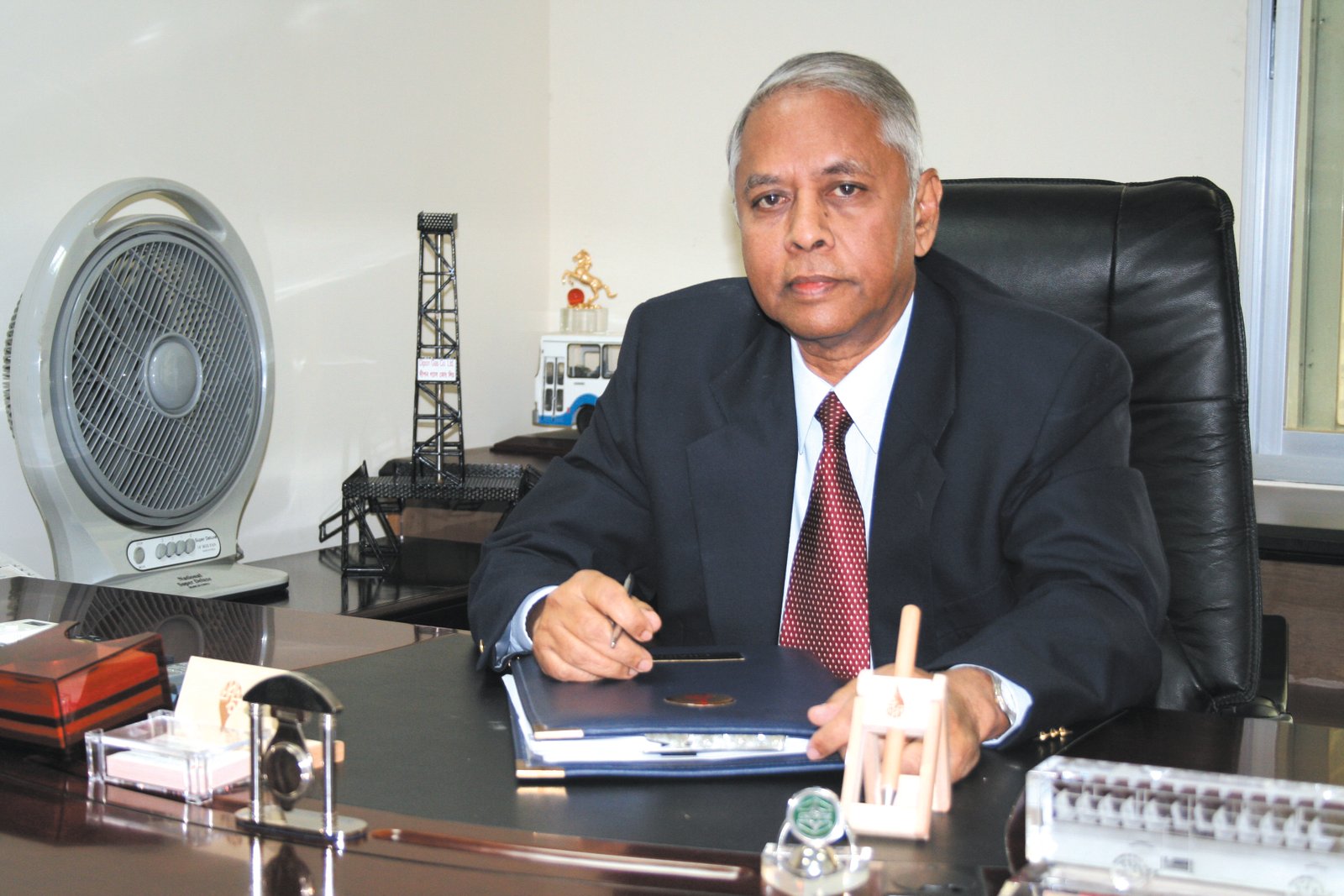
Alhaj Mahmud Hasan (1946-2026) was a transformative figure in Bangladesh’s energy, mechanical construction, and infrastructure sectors. As the founder and visionary Chairman of Dipon Group, he broke international monopolies in heavy engineering and laid the critical groundwork for the nation's gas transmission networks. His life was defined by engineering ingenuity, empathetic leadership, and a profound commitment to silent philanthropy.
Early Life and Education
Born in the village of Charruhita in Lakshmipur, part of the greater Noakhali region in the southern part of the country, Mahmud Hasan faced early personal tragedy when he lost his mother at just one year of age. His father, an accomplished individual holding a master's degree in English, served as a government officer under the British administration. Due to his father's official postings, his early education required frequent relocations.
He began his schooling at Barisal Zila School, where he notably shared a classroom with Major (Retd.) Hafiz Uddin Ahmed, MP. Upon moving to the Khulna division, he completed his Secondary School Certificate (SSC) from St. Joseph High School and his Higher Secondary Certificate (HSC) from Govt. Brajalal College, Daulatpur, Khulna. His entrepreneurial spirit ignited remarkably early; while in the 8th grade, he began manufacturing specialized flame tubes from home. He named these creations "Dipon scientific apparatuses" and sold them to local schools—a venture that birthed the name "Dipon," which would later become an industrial powerhouse.
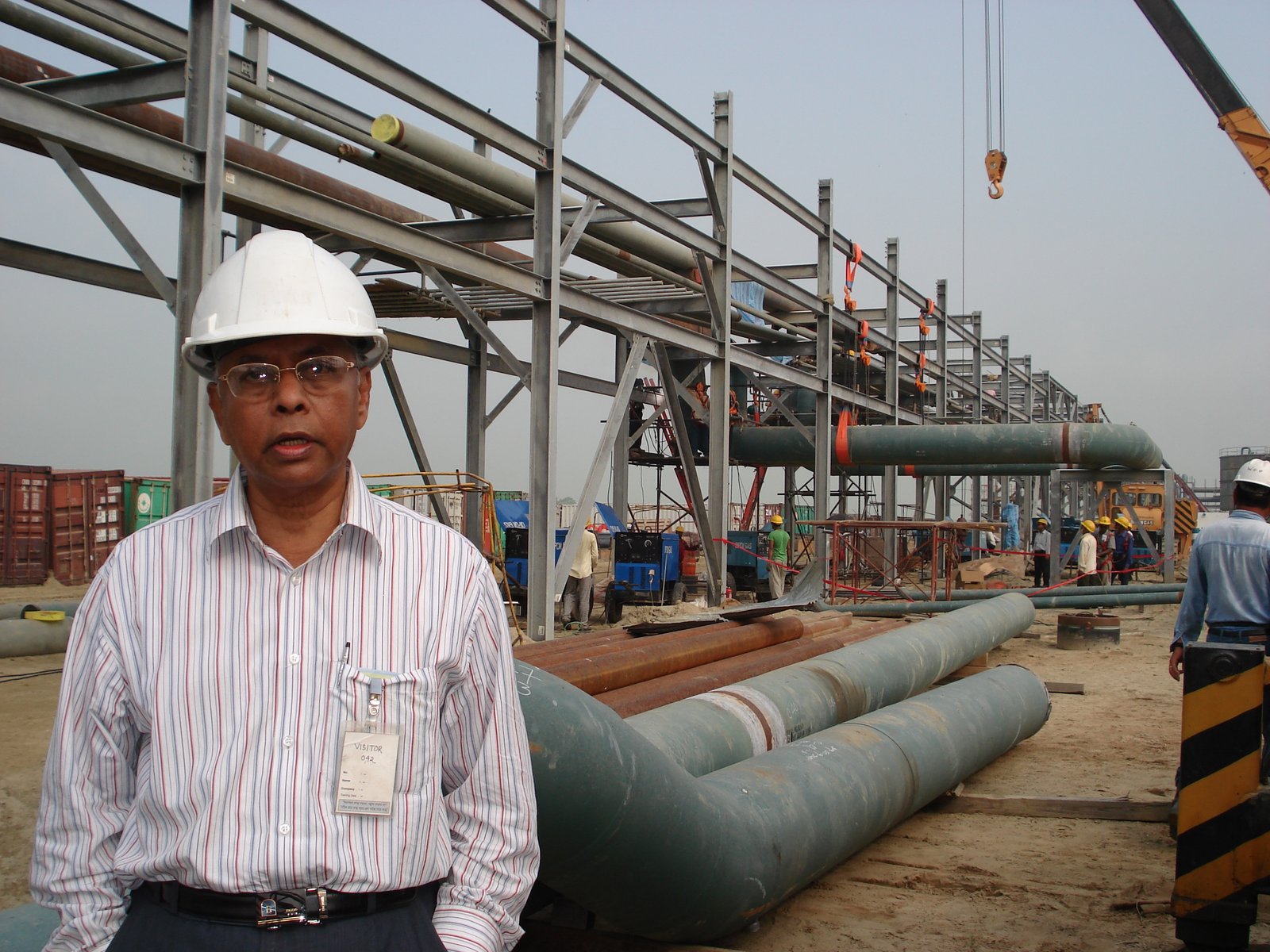
He subsequently relocated to Dhaka to pursue higher education, earning his Bachelor of Arts (B.A.) from Jagannath College and his Master of Arts (M.A.) in Bengali Literature from the University of Dhaka.
The Genesis of an Industry Pioneer (1968–1977)
Following the completion of his master's degree, Mr. Hasan joined British Gas, where he received specialized training in pipeline construction. He then commenced his professional career as a Coordinator with Pakistan Gas Co. Ltd., a private limited entity. During his tenure there between 1969 and 1970, he was instrumental in constructing a gas pipeline in the Demra region of Dhaka.
Driven by a distinct entrepreneurial vision, he left his job to establish his own proprietary company, Dipon Gas Coompany, in 1969, perfectly timing the venture with the Pakistan Government's initiative to market natural gas through the newly formed Titas Gas Company. Dipon Gas operated initially as a contractor focused on domestic and industrial pipeline connections. In 1970, the company secured its inaugural contract with Titas Gas, officially commencing commercial operations with a 3/4” pipeline project.
The 1971 Liberation War brought severe adversities. The company suffered critical setbacks when local miscreants, identified as Biharis, looted vital operational equipment, including high-value Ruston and Lister welding machines. Throughout this turbulent era, the company operated from its primary office at House 2/2, Lalmatia, and a secondary setup at 3/14 Iqbal Road.
As the company expanded alongside Titas Gas, building extensive distribution networks across Dhaka and connecting numerous industries, it was incorporated as a private limited company in 1977. To support its rapid corporate evolution, Dipon's headquarters transitioned through key commercial districts, moving from the Red Cross Chamber in Motijheel to Scout Bhaban in Kakrail, and eventually to a corporate district in Shyamoli.
Revolutionizing Mechanical Construction & Pipeline Engineering
Mr. Hasan propelled Dipon Group into a prominent leadership position by executing high-capacity national gas pipelines across complex and hostile terrains.
Titas Gas Expansion (1973–1975):Dipon successfully engineered a twin-phased logistics contract, constructing a 12” main pipeline from Joydebpur to Ashulia, integrated with a dedicated feeder line extending from Ashulia to Savar.
Spie Capag Subcontract (1990):Entering the elite tier of mechanical construction, Dipon partnered as a strategic subcontractor with the international giant Spie Capag. Together, they delivered a highly technical 3.5 km, 20-inch high-pressure pipeline operating at 1000 PSIG.
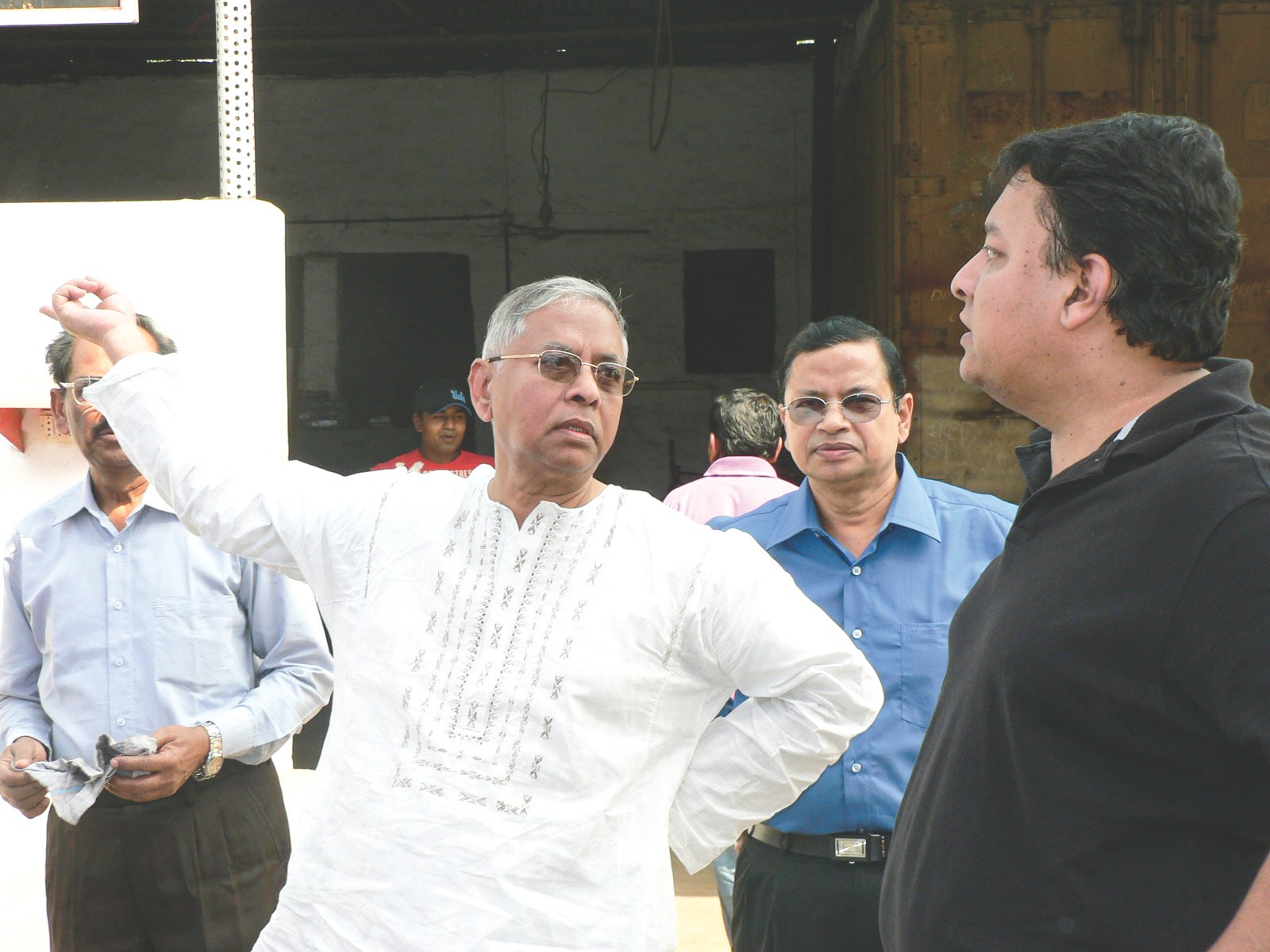
Technological Firsts (1991):Mr. Hasan's team engineered a custom, in-house Hydraulic Road Boring Machine. This innovation was critical for installing a 100 km WASA water pipeline through Kawla, Dakshinkhan, and Ashkona, allowing the flawless traversal of four high-risk railway crossings without disrupting rail operations.
Infrastructure Tooling:He modernized local engineering by introducing high-tier specialized components such as Hydrostatic Pumps, Pneumatic Clamps, and high-efficiency Rubber & Foam Pipeline Inspection Gauges (PIGs).
Breaking the International Monopoly (1996)
Historically in Bangladesh, local companies were sidelined in favor of international contractors for transmission pipelines due to strict prior-experience prerequisites. The defining breakthrough occurred in 1996 with the Monohardi to Narsingdi 20” diameter pipeline project. Spanning 25 kilometers to Valve Station-3, this 82 million Taka project, financed by the World Bank and Asian Development Bank (ADB), was a watershed moment.
Under Mr. Hasan's leadership, Dipon made history as the first domestic corporation to independently import and deploy a heavy-duty Caterpillar Pipelayer in Bangladesh. The project was executed against adverse conditions but was completed ahead of schedule, breaking the international monopoly and earning a letter of appreciation from the World Bank and ADB. This triumph paved the way for local companies to secure pipeline contracts of all sizes.
Mega Projects and Complex Engineering Feats
Dipon Group’s portfolio expanded to encompass some of the most logistically daunting mega-projects in the region.
- Bibiyana to Dhanua 36” Pipeline (2013):Extending over 42 kilometers, this infrastructure network required extreme heavy-haul logistics. The project utilized reinforced concrete-coated pipes weighing 14.50 tons per 12-meter joint. Transporting just a single high-capacity pipe across rural pathways required the synchronized engagement of 10 to 12 heavy-duty tractors simultaneously.
- Moheskhali Zero Point to Dhalghat Para:This critical 7.7 km pipeline corridor incorporated an advanced Customer Terminal Metering Station (CTMS) and an LNG inland receiving station. Operating in extreme marine environments, the project navigated wild tidal fluctuations of up to 7 feet. Mr. Hasan’s engineers utilized customized shallow-water flat-bed barges to transport massive pipe segments over volatile waters. To move 40-inch pipes through swampy mangrove terrains, they deployed the innovative 'flow-tyre' floatation technique, towing structural lines with motorized boats during peak high tide. Precision welding and structural alignment were strictly executed during the low tide windows to guarantee safety and compliance.
- Tripee Progati & Italian Joint Ventures:Executed significant capacity expansions, including the Chittagong City Gate Expansion under Bakhrabad Gas Systems, and constructed high-capacity District Regulating Stations (DRS) and Metering Stations for the Ashugonj Power Plant and Ashugonj Fertilizer Company.
· Blowout Salvage Operations: Successfully led critical recovery efforts following two separate blowouts involving the CPTDC and Parker Rigs at the Chattak Gas Field. The operation was completed with an excellent flawless safety record, resulting in the successful extraction and disposal of 10,000 tons of structural debris for NIKO Resources (BD) Co. Ltd.
- Global Expansion & EPC Contracts:Under his guidance, Dipon expanded operations internationally, executing 48-inch pipeline welding jobs in the UAE and managing complex subsea pipelines and river crossings. The group also delivered Engineering, Procurement, and Construction (EPC) contracts for power plants ranging from 6MW to 100MW, alongside numerous Process Plants, Regulating and Metering Stations (RMS), Town Border Stations (TBS), and City Gate Stations (CGS) nationwide. Notably, Dipon executed the Bonita process plant under EOC.
Strategic Partnerships with Global Supermajors
Demonstrating world-class safety standards and engineering capabilities, Mr. Hasan positioned Dipon Group as the premier local engineering partner for global oil and gas heavyweights.
- Chevron:Undertook the comprehensive mechanical and structural scope for the nation's largest facility of its kind, the 600 MMCFD Bibiyana Gas Processing Plant, which included laying a 25 km, 30" diameter gas pipeline alongside a 6" condensate transmission line.
- Unocal:Executed specialized structural casing pipe welding and heavy civil works for drilling pad preparation.
- Niko:Delivered comprehensive supply logistics for drilling, alongside extensive marine and civil infrastructure including heavy cargo jetties, connecting roads, and structural bridges.
- Cairn Energy:Managed specialized conductor and surface casing pipe installations, along with high-integrity structural welding.
- Tullow Oil:Delivered strategic gas gathering network lifelines and constructed complex processing plant modules.
Management Philosophy and Cultural Sensibility
Mr. Mahmud Hasan championed a deeply humane corporate culture within the rigid heavy-engineering sector. He was an empathetic leader who believed in building people, prioritizing personal counseling and mentoring over disciplinary action. He implemented wide-ranging employee welfare frameworks, ensuring complete accessibility and erasing the divide between on-site manual laborers and executive officers.
Beyond his corporate acumen, he was profoundly passionate about classical music and literature. He was a man of diverse artistic talents who proficiently played the tabla and harmonium, recited timeless poetry, and performed soul-stirring Hamd and Naat.
A Legacy of Silent Philanthropy
Despite his monumental commercial success, Mr. Hasan maintained an absolute policy of anonymity regarding his massive philanthropic footprint, actively avoiding public acknowledgment as he established religious, social, and educational institutions across remote corners of Bangladesh.
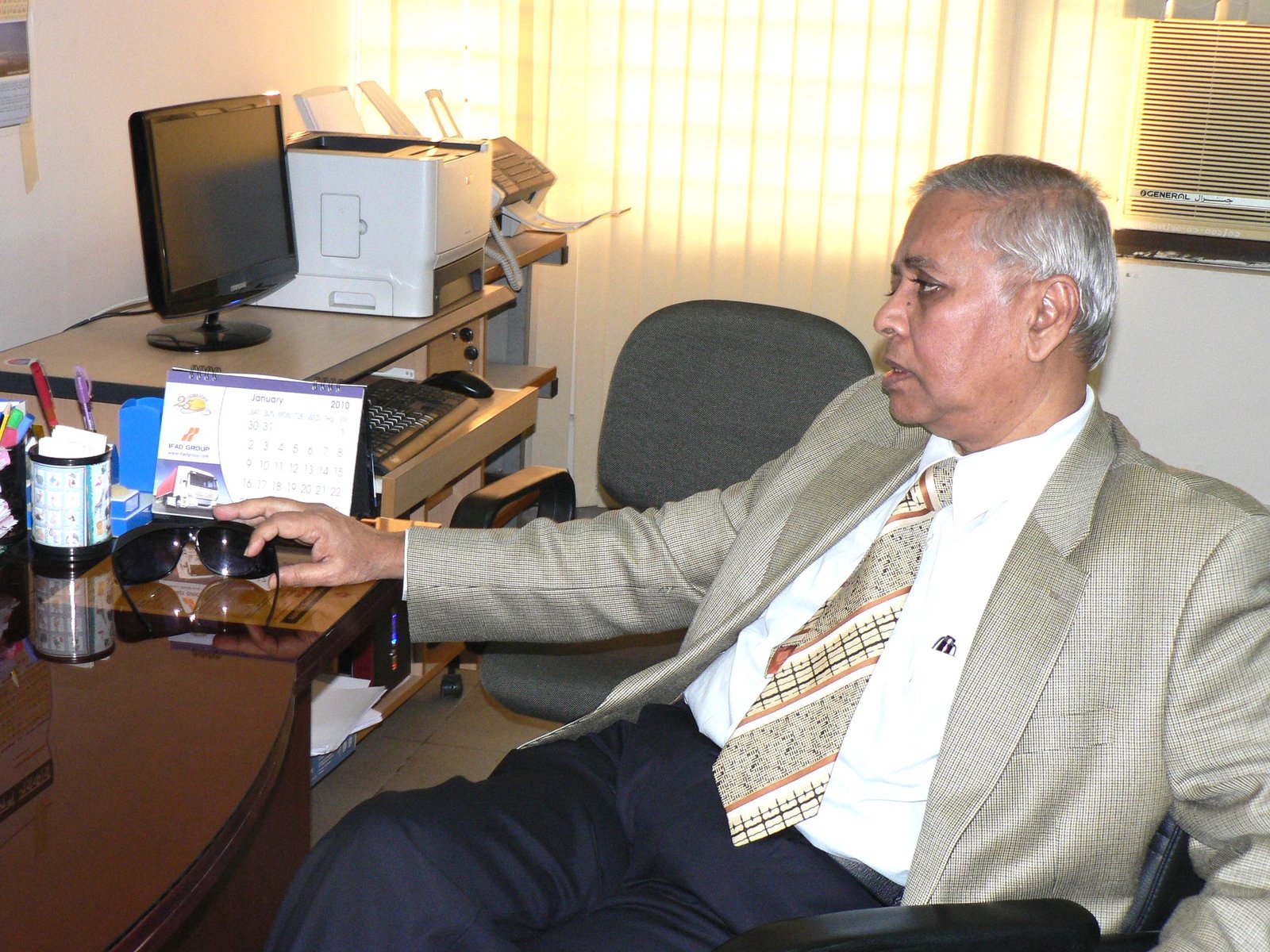
- Dipon Foundation (Est. 2007):A visionary, large-scale social project intended to construct a state-of-the-art Old & Child Care Complex designed for the active participation of senior citizens. Initiated with the construction of a two-story Mosque and Hospital Complex on a massive foundation intended for five stories, the project was indefinitely postponed when Mr. Hasan developed advanced glaucoma, leading to profound visual impairment.
- Dip Alo School (Est. 2015):Channeling his grief over his rapid vision loss into societal good, he founded a fully charitable primary school and a higher-education monetary deposit scheme housed within the Dipon Foundation premises in Aukpara, Savar. He personally bore all structural maintenance costs and teacher salaries until his final illness in 2022. Despite his severe blindness, he actively traveled to participate in student assemblies, teacher training, and guardian meetings, passionately encouraging stakeholders to nurture ambition in underprivileged children.
- Nuruzzaman Mosque:Constructed on prime land in Lakkhipur town inherited from his father, he named this grand spiritual sanctuary in his father's honor immediately following his passing.
- Mahmud Hasan Jame Mosque:Located in his birthplace of Charruhita village, this magnificent mosque stands as a testament to his pure philanthropic model. It was constructed seamlessly without a single idle day, funded entirely from his personal wealth, with strict prohibitions against accepting external contributions.
Spiritual Reflections and Core Beliefs
Mr. Hasan's internal moral compass was anchored in a profound spiritual philosophy. He frequently composed poetry that reflected his dedication to human harmony.One of Mr. Mahmud Hasan’s poetry is incerpted below:
“প্রতিবাদেবিবাদবাড়ে
আঘাতেআঘাত,
প্রতিরোধেশক্তিবাড়ে
মিলনেআবাদ।
প্রতিহিংসায়শান্তিক্ষয়
যুদ্ধেজয়েরআশ,
সমঝোতায়শান্তিআনে
ক্ষমায়স্বর্গবাস।”
Defiance often summons strife,
and every wound another makes;
Resistance strengthens human will,
yet union builds what conflict breaks.
Revenge diminishes the soul,
while war mistakes triumph for peace;
Understanding heals divided hearts,
and through forgiveness, hatreds cease.
(translation: Nasim Shamsuzzoha)
He deeply believed that morality, integrity, and civility must elevate the economic realm just as they do the social sphere. He taught that upon a person's passing, all material wealth is left behind, leaving only deeds as eternal companions. To Mr. Hasan, acts of worship were a form of spiritual training meant for human welfare—a righteous struggle against injustice fought with unity, sacrifice, and moral rectitude. He firmly held that any devotion failing to foster the collective well-being of humanity remains incomplete in securing divine pleasure, as every individual will ultimately be held accountable for their actions before receiving the Almighty's infinite mercy.
Download Memories As PDF/userfiles/EP_24_08_Memories.pdf