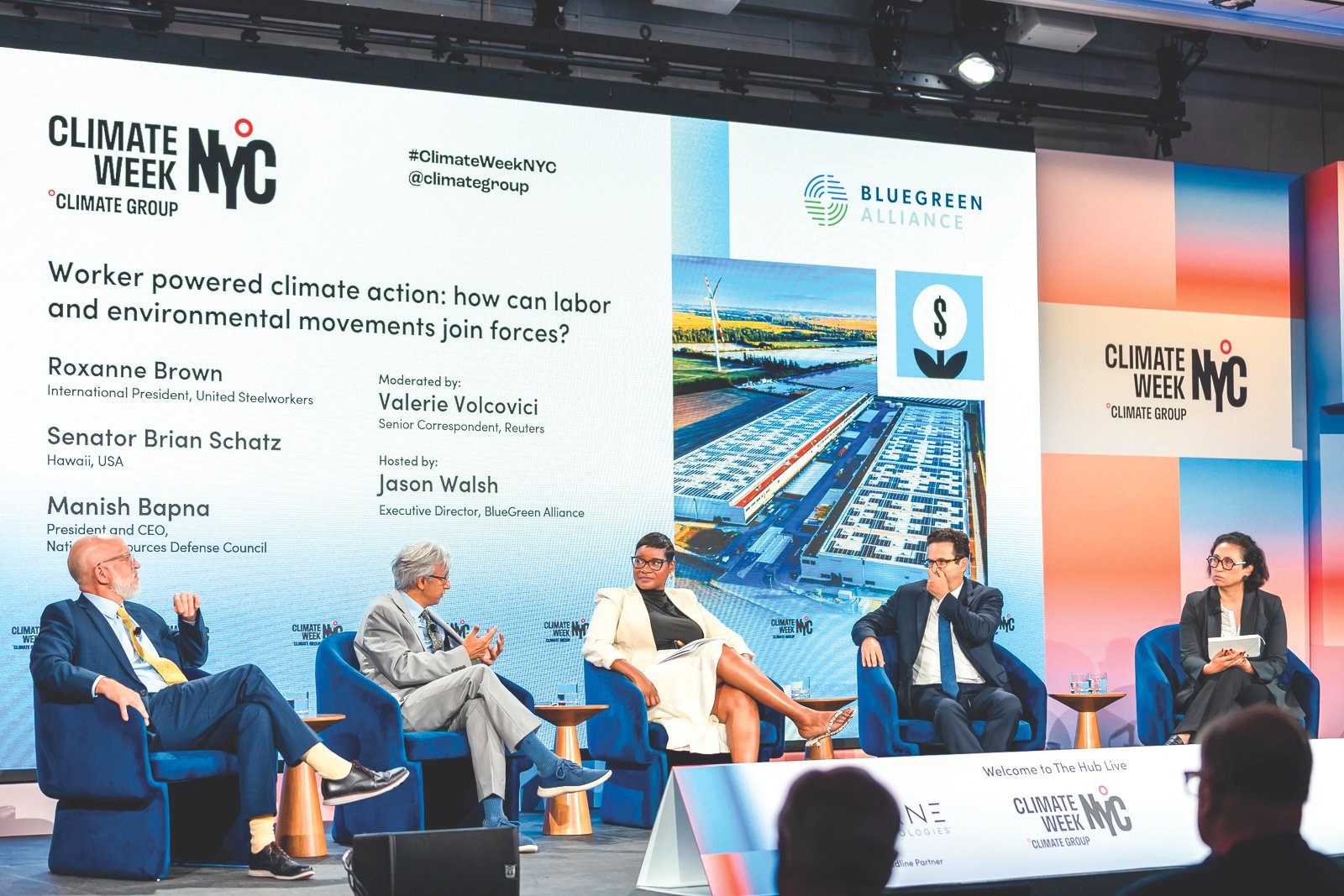
Climate Week NYC 2026 has sent a clear message ahead of COP31: the global climate agenda must move beyond pledges and focus on implementation, with renewable energy, electrification, resilient infrastructure, climate finance and energy security at the center.
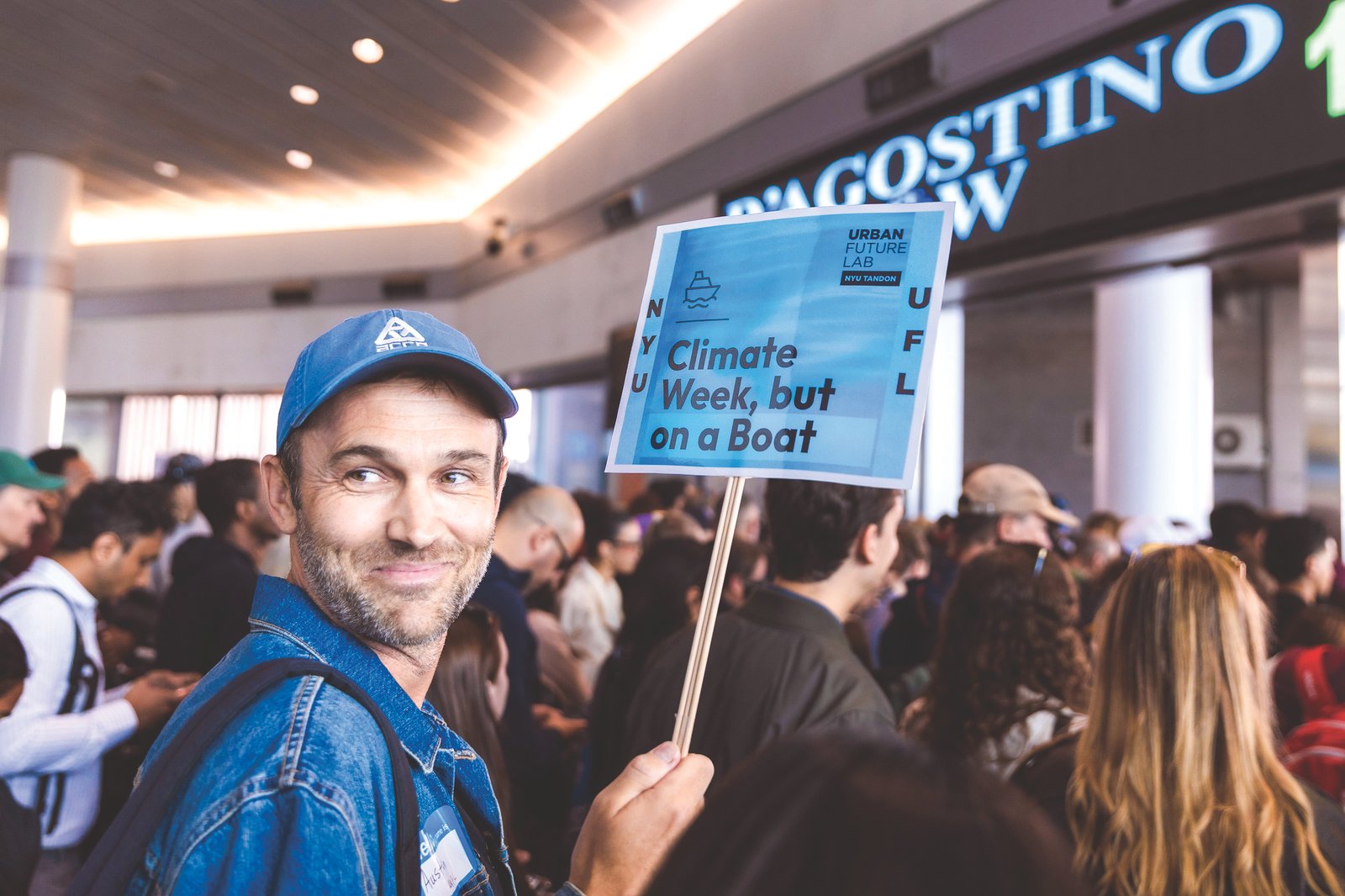
Held across New York from September 20 to 27, the event brought together governments, businesses, investors, civil society and international organizations. More than 1,500 events took place across the city, with the main flagship program centered on the Opening Ceremony and The Hub Live. The organizers said one message ran consistently through the week: climate commitments must now translate into delivery at scale.
The discussions came at a time when countries are facing geopolitical instability, volatile energy markets, rapidly rising electricity demand from artificial intelligence (AI) and data centers, and persistent gaps in climate finance.
Climate Action Meets Energy Security
The September 21 Opening Ceremony brought together political, business and climate leaders to discuss the economic, social and security implications of climate change.
UK Foreign Secretary Ed Miliband stressed the importance of international cooperation, while other speakers focused on the rising cost of delaying climate action. Nigeria announced a $300 million clean-energy fund to expand access to off-grid power, while Türkiye’s COP31 delegation announced an initiative to examine how AI can support climate progress.
The discussions reflected a changing global reality in which climate risks, energy insecurity, geopolitical conflicts and economic pressures are increasingly interconnected. The emphasis was therefore not only on cutting emissions but also on building more secure, affordable, and resilient energy systems.
Renewables and Clean Electrification Take Center Stage
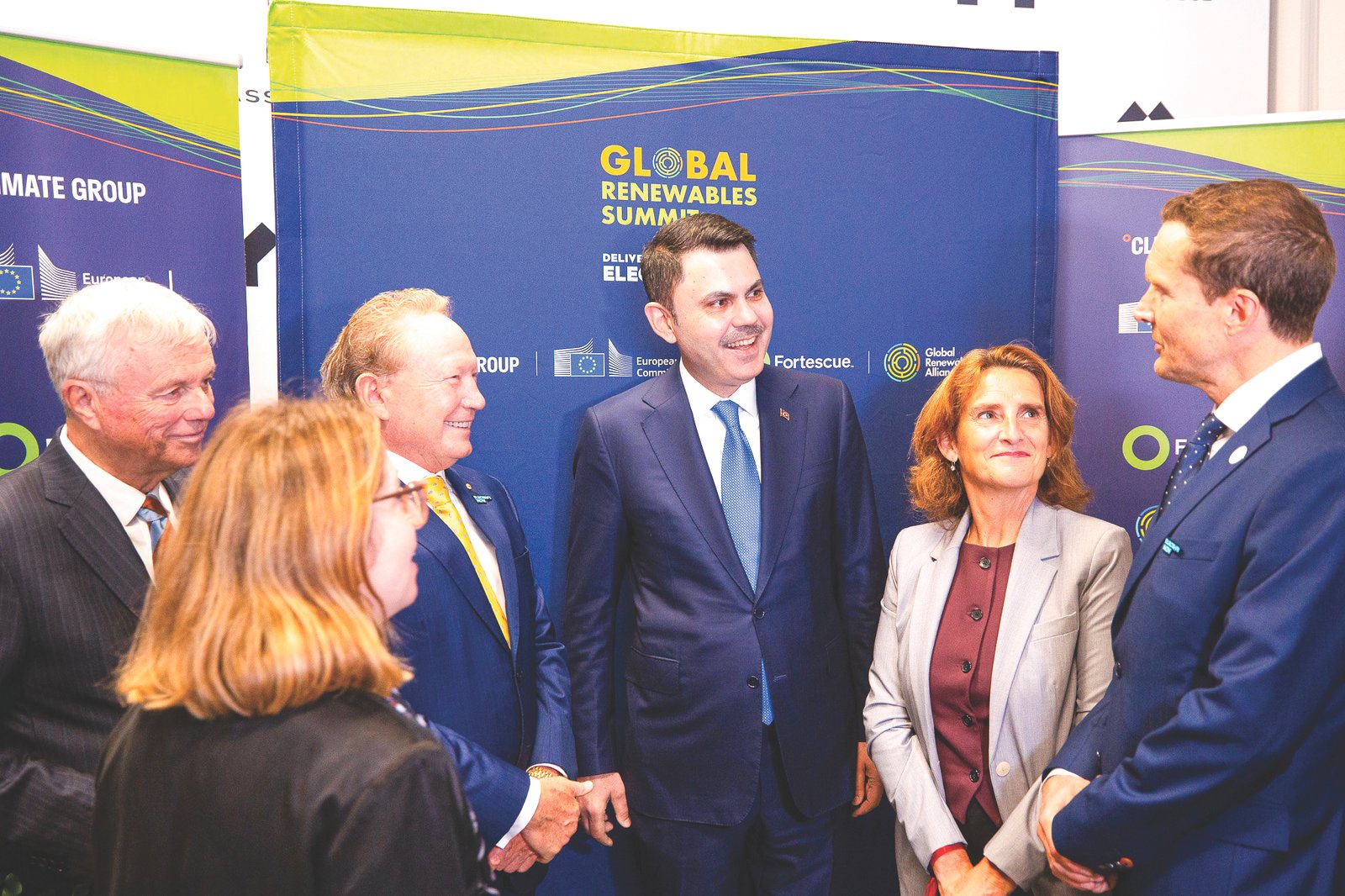
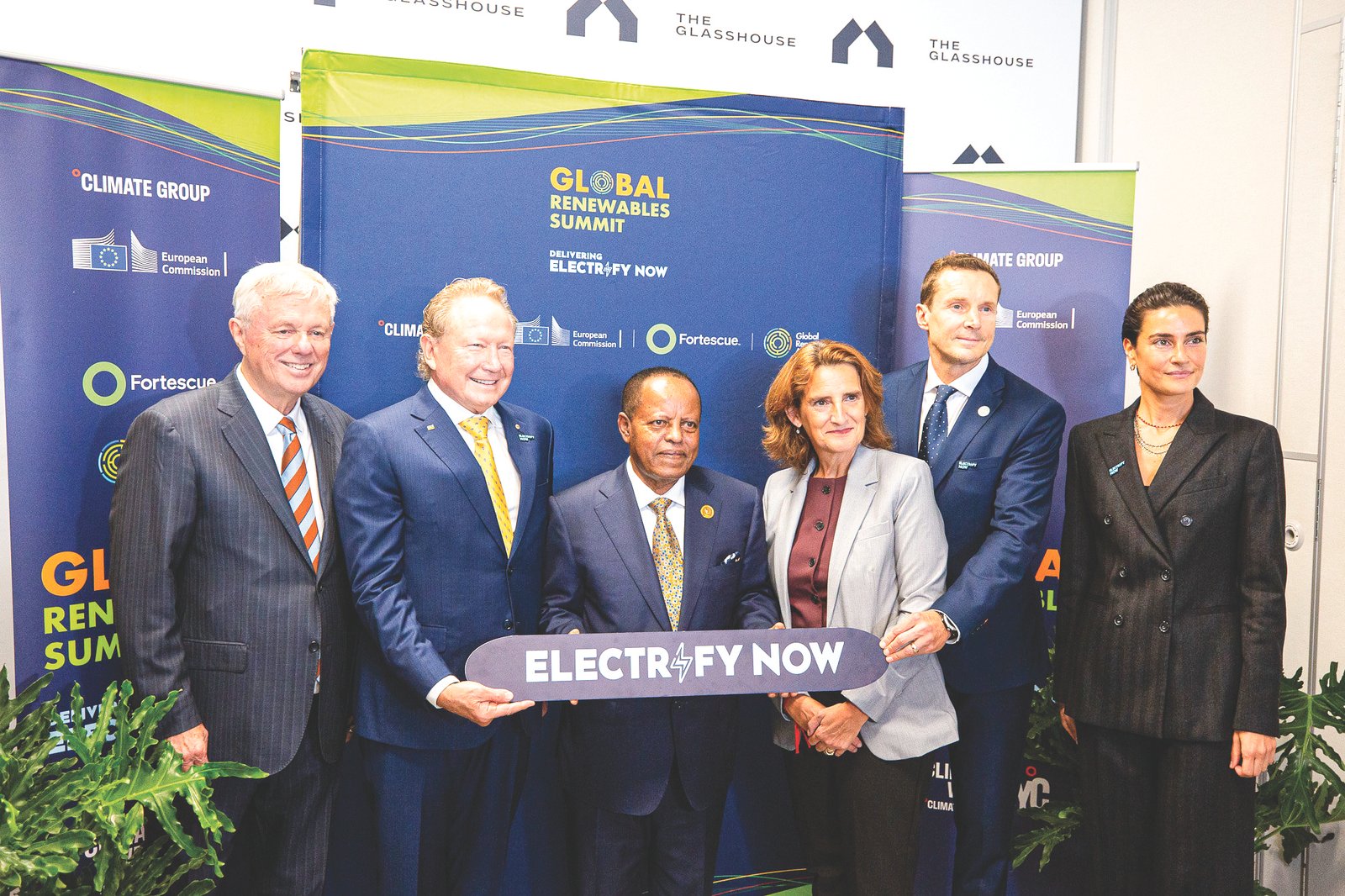
One of the major discussions was the Global Renewables Summit, where more than 20 senior representatives from governments, business and civil society called for faster deployment of renewable energy and clean electrification.
Participants emphasized the need to deliver the global commitment to triple renewable-energy capacity by 2030 and accelerate electrification. Representatives of the COP31 Presidency also took part in the High-Level Leaders Dialogue.
The COP31 Presidency has placed electrification at the center of its Action Agenda, with a target of raising electricity’s share of total final energy consumption from just over 20% today to 35% by 2035, known as “35 by 35.”
The Climate Week discussions linked this ambition with investment in renewable generation, grids and storage.
The message was increasingly clear: rising electricity demand should not result in a new wave of dependence on coal, oil and gas. Renewable generation, batteries, modern transmission and distribution networks and electrification need to advance together.
“35 by 35” Broadens the Electrification Agenda
The “35 by 35” initiative also expands the energy-transition debate beyond the electricity sector.
Electrification is increasingly being linked with industry, transport, buildings and other energy-consuming sectors. The COP31 pledge recognizes the importance of transmission and distribution grids, storage and system flexibility, particularly for developing economies. It also calls for increased access to affordable finance for such infrastructure.
Climate Week discussions on buildings reinforced this approach. A session on delivering “35 by 35” examined how building electrification, energy efficiency and demand-side measures can contribute to the target. The COP31 Presidency has also set an ambition to reduce building energy-consumption intensity by at least 25% by 2035.
For COP31, the implication is that the transition cannot be measured only by new renewable-generation capacity. Grids, storage, energy efficiency and end-use electrification will be equally important.
Energy Security and Climate Action Converge
Another defining theme of Climate Week was the closer relationship between climate action and energy security.
Geopolitical tensions and disruptions to energy supplies have demonstrated the economic risks of dependence on imported fossil fuels. Against this background, renewable energy and electrification are increasingly being presented not only as emissions-reduction measures but also as ways to strengthen energy security and reduce exposure to volatile international fuel prices.

This has particular relevance for developing economies dependent on imported LNG and oil. International fuel-price shocks can quickly affect power-generation costs, industrial production, inflation, and consumers.
The COP31 electrification initiative itself identifies stronger grids and storage as important elements of a cleaner and more secure energy system.
AI and Data Centers Create a New Electricity Challenge
Artificial intelligence and data centers emerged as another important theme.
Rapid expansion of AI is creating new electricity demand, raising questions about whether that demand will be met through additional fossil-fuel generation or through renewable energy, storage and smarter grids.
AI also has the potential to contribute to climate solutions by improving grid management, optimizing energy use, increasing building efficiency, supporting transport systems and strengthening climate-risk forecasting.
At the same time, data centers require substantial amounts of electricity and water. Climate Week discussions therefore highlighted the need to consider the environmental footprint of AI alongside its potential benefits for climate action. The COP31 Presidency has also introduced initiatives addressing climate-responsible AI and AI applications for clean technologies.
Energy Transition Becomes an Economic Issue
Discussions at The Hub Live on September 22, including contributions from International Energy Agency Executive Director Dr Fatih Birol, examined the economic dimensions of the energy transition.
Renewable energy and clean technologies are increasingly connected with industrial policy, investment, competitiveness, supply chains and employment—not simply environmental policy.
Sessions also examined clean-energy finance for emerging markets, electric transport, energy efficiency, AI and low-carbon manufacturing. A recurring concern was the gap in access to finance and technology between advanced economies and the Global South.
India’s rapid expansion of non-fossil electricity capacity was discussed as an example of how supportive policies, investment frameworks and efforts to make projects bankable can accelerate clean-energy deployment.
Food, Water, Cities and Resilience
As Climate Week progressed, the agenda broadened from energy to food security, water, cities, nature, health and adaptation.
Food-security discussions highlighted the interconnected risks created by climate change, conflict, economic instability and public-health crises. AI, satellite data and other technologies can help identify emerging food crises, but participants stressed that data must be matched by finance, effective policies, local knowledge and the ability to act quickly.
Urban resilience was another major theme. Energy efficiency and building retrofits were highlighted as practical measures for reducing emissions and improving resilience. The Empire State Building provided a prominent example of how energy efficiency, electrification and occupant wellbeing can be pursued together in a historic occupied building.
The discussions also highlighted the growing role of cities and subnational governments in climate action, particularly in electrification, resilience, clean industry and investment.
Climate Finance, Nature and Sea-Level Rise
Climate finance and nature gained further attention during the week.
On September 25, the United Kingdom announced a £331 million funding package to tackle climate change and nature loss, including £330 million for the Global Environment Facility. The Taskforce on Nature-related Financial Disclosures also issued new guidance for technology and communications companies on identifying, managing and disclosing nature-related impacts and risks. UN Member States adopted a political declaration on sea-level rise calling for stronger support for small island states and vulnerable coastal communities.
These developments have direct relevance to the adaptation, loss-and-damage, nature and climate-finance agenda expected at COP31.
For developing countries, the key issue remains how international financial commitments can be converted into predictable, accessible and affordable investment for adaptation and resilience.
What Climate Week Means for COP31
Climate Week NYC 2026 offered several clear signals for the direction of COP31 in Antalya.
First, implementation must move to the center of climate diplomacy. The organizers’ closing message was that commitments must become delivery. The challenge is now to determine who will implement existing commitments, how much investment is required, and how implementation can be accelerated.
Second, the target of tripling renewable-energy capacity by 2030 needs practical investment plans. Generation capacity alone will not be sufficient. Transmission, distribution, battery and long-duration storage, grid flexibility and system management will also require major investment.
Third, “35 by 35” could become an important COP31 implementation initiative. The target seeks to increase electricity’s share of total final energy consumption to 35% by 2035. The COP31 pledge calls for accelerated electrification across transport, buildings and industry, supported by grids, storage and affordable finance.
Fourth, energy security is becoming part of the economic case for clean energy. Countries exposed to international oil and LNG-price volatility have an additional incentive to develop domestic renewable resources and reduce fossil-fuel dependence.
Fifth, AI-driven electricity demand should not create new fossil-fuel lock-in. Renewable generation, storage, efficient cooling, smart grids and demand management will be important if digital infrastructure is to expand without undermining climate objectives.
Sixth, finance and technology transfer for the Global South need to become more practical. Emerging economies require affordable capital, risk-sharing mechanisms, technology access, and support for developing bankable projects. The COP31 pledge specifically recognizes the need for accessible and affordable finance for grids, storage and system-strength investments in developing economies.
Seventh, adaptation, resilience, food, water and nature must remain central alongside mitigation. Climate impacts are already affecting cities, agriculture, water systems, health and infrastructure, making resilience investment an essential part of the climate response.
Why It Matters for Bangladesh
For Bangladesh, which faces rising electricity demand, dependence on imported fossil fuels and high climate vulnerability, the New York discussions carry particular significance.
Volatility in international LNG and oil markets can put direct pressure on the country’s power system and industrial economy. Renewable energy, energy efficiency, storage and grid modernization therefore need to be viewed not only as climate measures but also as elements of a broader energy-security strategy.
The 35-by-35 agenda could also create opportunities to expand electrification beyond the power sector into industry, transport and buildings. Greater use of clean electricity in garments and textiles, manufacturing, commercial buildings and transport could support both emissions reduction and reduced exposure to imported-fuel price volatility.
Climate Week’s emphasis on finance and technology access for developing countries also aligns with Bangladesh’s interests ahead of COP31, particularly on adaptation finance, loss and damage, concessional finance, technology transfer and climate-resilient infrastructure.
Rooftop solar, utility-scale renewables, battery storage, distributed energy and grid modernization could provide practical areas for faster clean-energy deployment in Bangladesh.
From New York to Antalya
NYC Climate Week 2026 did not produce a formal international treaty or COP decision. Its significance was in bringing governments, businesses, investors, cities and civil society together ahead of COP31 and highlighting the priorities likely to shape the next phase of climate action.
The COP31 Presidency has placed implementation at the center of its Action Agenda, including initiatives on electrification, resilient cities and buildings, green industrialization, waste reduction and climate-responsible AI. The “35 by 35” initiative has also moved from an announced ambition to a formal voluntary pledge for governments and non-state actors.
COP31 will be held in Antalya, Türkiye, from November 9 to 20, 2026.
The strongest message from New York is therefore straightforward: the world already has many of the technologies and solutions needed for climate action. The immediate challenge is to finance, build, and deploy them at the required speed and scale.
As the climate process moves from New York to Antalya, the central question is increasingly less about what new commitments will be announced and more about how quickly existing commitments can be implemented—and with what financing, technology, infrastructure and institutional support.
Download Special Report As PDF/userfiles/EP_24_08_Special_Report.pdf