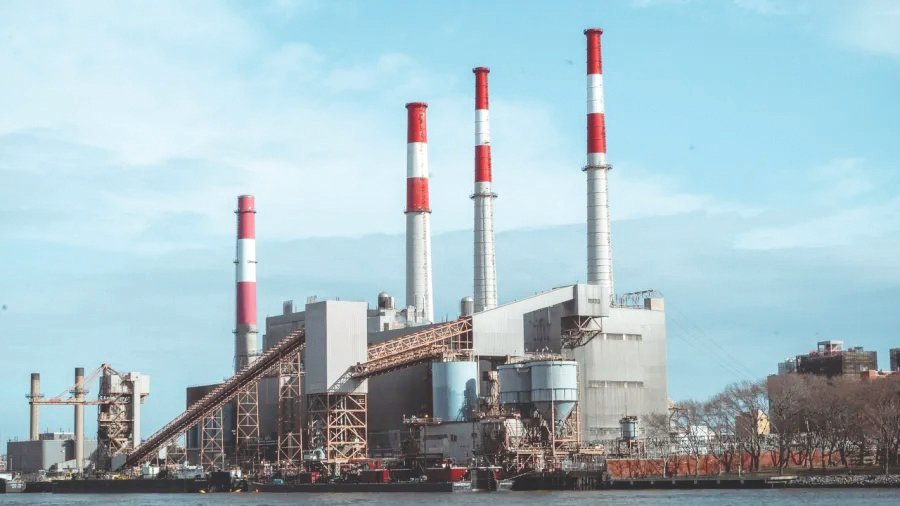
Southeast Asia is expected to deliver less than one-third of its planned gas-fired power capacity by 2030, as turbine shortages, financing difficulties, LNG infrastructure constraints and volatile fuel prices slow project development, according to Wood Mackenzie.
Governments across six major regional power markets have targeted around 53 GW of new gas-fired capacity by 2030. However, Wood Mackenzie expects only 14.9 GW to become operational this decade.
Only about 11 GW of the planned gas-to-power pipeline has secured gas turbines, while projects without confirmed equipment could face delivery lead times of at least five years.
The region’s electricity demand is projected to grow 2.4-fold by 2050, driven by industrial expansion, manufacturing diversification, semiconductor and electronics investment, and the rapid growth of large-scale data centers. Gas demand from the power sector is expected to more than double between 2026 and 2050.
Southeast Asia is also projected to become a net gas importer by 2033, with LNG potentially accounting for more than 80% of regional gas demand by 2050.