
Bangladesh has seen a steady rise in domestic gas usage, making gas cooking appliances essential part of everyday life. Yet the lack of standardized safety regulations has contributed to a growing number of gas-related accidents, including leaks, fires, and explosions, resulting in injuries and fatalities. From high-rise apartments in Dhaka to rural kitchens powered by piped natural gas or LPG cylinders, millions of households rely on gas daily. While it is a vital energy source, it carries serious risks that continue to threaten lives, damage property, and place immense pressure on national burn-care facilities.
Recognizing the urgency of addressing these risks, the Asian Development Bank’s Technical Assistance project TA 10187-BAN: Promoting Energy Transition, Safety and Energy Efficiency in the Energy Sector initiative, jointly implemented with Petrobangla under Output 5, extended support to BSTI to develop Bangladesh’s first internationally aligned safety standards for domestic gas cooking appliances. In mid-2024, ADB engaged a consultant team led by highly experienced International Gas Appliance Safety Standards Specialist Mr. Chris Evans, supported by National Standards Specialist Mr. A. S. M. Manzurul Quader, and National Gas Specialist Mr. Mortuza Ahmad Faruque.
Recently, BSTI formally approved three new standards: BDS ISO 21364 Parts 1, 21, and 22, marking the first time Bangladesh adopted global best practices for domestic gas cooking appliances. However, the approval of safety standards alone cannot prevent accidents. True safety can only be achieved when these standards are effectively institutionalized, mandated, and monitored, supported by nationwide awareness and capacity-building efforts. This milestone marks a historic advancement in Bangladesh’s approach to household gas safety, but it is only the beginning. Meaningful improvements require a complete ecosystem: laws that mandate compliance, laboratories to verify conformity, inspectors to enforce standards, informed consumers who follow safe practices, and a skilled workforce trained in proper installation and maintenance.
Bangladesh now has a complete suite of safety standards aligned with ISO 21364, the world’s newest and most advanced framework for gas cooking appliances. But like nearly all ISO standards globally, these are currently voluntary for three years. In a market where low-cost, low-quality stoves dominate, voluntary compliance is insufficient. Mandatory adoption requires formal action and phased implementation.
Dissemination Workshop on Safety Standards
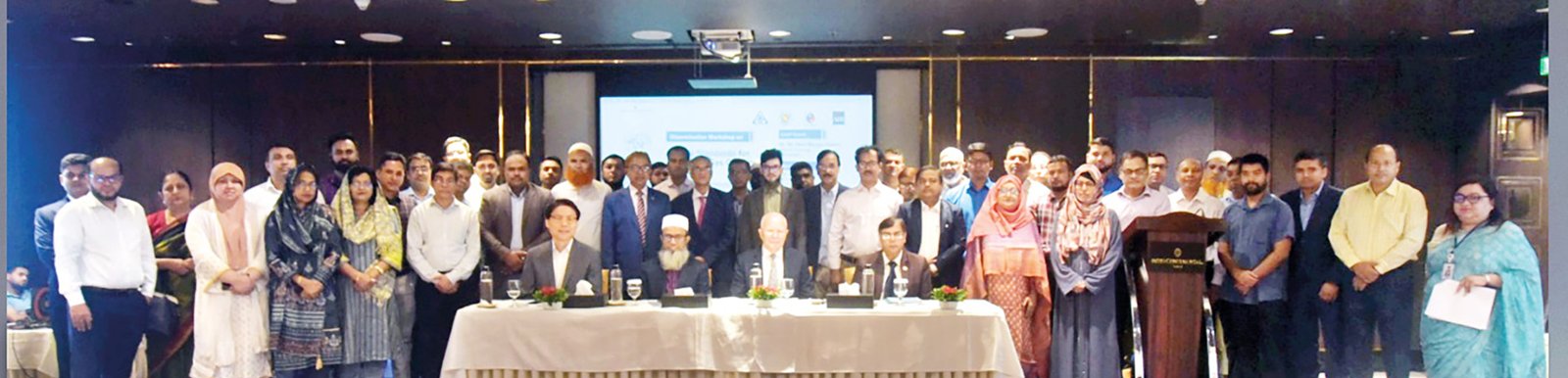
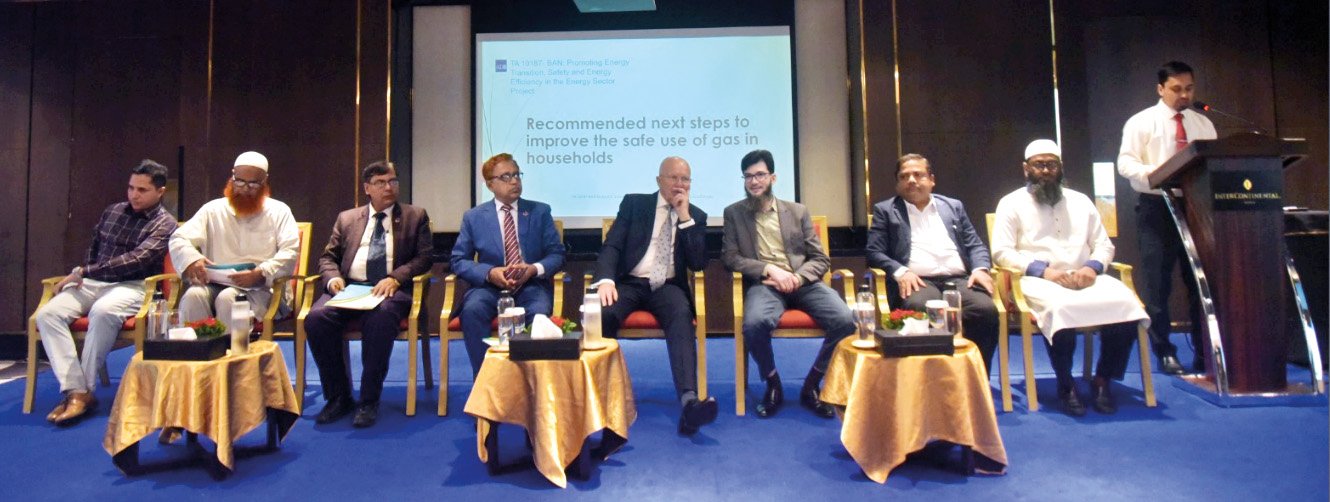
To enhance the safety of domestic gas cooking appliances in line with international standards, a dissemination workshop titled “Safety Standards for Domestic Gas Cooking Appliances” was successfully held on 9 November 2025 at the InterContinental Dhaka. The event was jointly organized by BSTI, Petrobangla, and the Asian Development Bank.
Mr. Md. Abdul Mannan Patwary, Director (Planning), Petrobangla, attended the workshop as the Chief Guest, while the session was chaired by Mr. Md. Saidul Islam, Director (Standards), BSTI. Mr. Hoe Yun Jeong, Country Director, ADB, and Mr. Chris Evans, International Gas Appliance Safety Standards Specialist, ADB, were present as Special Guests.
The workshop featured several important technical presentations. One of the key sessions, “Safe Use of Gas in Households: Next Steps,” was delivered by Mr. Chris Evans from ADB. Experts from BSTI also addressed a range of critical topics, including an overview of the BDS ISO 21364-1:2025 Domestic Gas Cooking Appliances standard and discussions on the development of additional gas safety standards. Other notable presentations focused on the establishment of gas appliance safety testing laboratories, the identification of mandatory products, and strategies for implementing market surveillance and licensing for domestic gas cooking appliances.
Additional sessions emphasized the importance of enhancing consumer awareness on safe gas usage and the critical need to develop a skilled workforce for the installation and maintenance of domestic gas systems and appliances. A panel discussion featuring experts from institutions such as BUET, Bangladesh Agricultural University, and industry representatives provided valuable insights and concluded with an engaging, interactive open discussion.
The event was attended by 71 participants, including experts and representatives from BSTI, Petrobangla, ADB, Titas Gas, Bakhrabad Gas, Karnaphuli Gas, Jalalabad Gas, Pashchimanchal Gas, Sundarban Gas, BERC, Department of Explosives, CAB, LPG Association of Bangladesh, Meghna Fresh LPG, BUET, BAU Mymensingh, SME Foundation, BITAC, BHMMA, Myako Ltd., RFL Group, Kiam Metal, SKB Cookware, Jamuna Group, and Walton Hi-Tech.
The consultant team suggested six major recommendations that outline how Bangladesh can build a safer future for all gas-using households. These recommendations were thoroughly discussed during the dissemination workshop by experts from various institutions. They highlight the key areas that Bangladesh must address to reduce household gas accidents and ensure a safer energy future.
The six major recommendations are as follows:
Recommendation-1: The first priority is to make the BDS ISO 21364 standards mandatory. Like all ISO standards, they are voluntary at the time of publication. In a highly price-sensitive market such as Bangladesh, voluntary standards cannot ensure safety because low-cost, non-compliant stoves will continue to dominate unless the law requires otherwise. Mandating these standards would protect consumers by creating a level playing field for manufacturers and importers. A phased approach is recommended, allowing two years for manufacturers to redesign products and for testing capacity to be developed, followed by the start of enforcement in the third year. Similar transition periods are used in Europe and have proven effective.
Recently, BSTI approved a suite of safety standards for domestic gas cooking appliances. The adoption of the safety requirements in these standards needs to be enforced in Bangladesh, where gas explosions and gas burn incidents in domestic households are a common occurrence.
Correctly getting the timing of the implementation of mandatory BDS gas safety standards needs careful consideration.
Recommendation-2: The second major recommendation calls for establishing one or more gas appliance safety testing laboratories in Bangladesh. Bangladesh currently lacks gas appliance safety testing laboratories, hindering the ability to ensure the safety of domestic gas cooking appliances before they enter the market. To address this, the establishment of independent testing facilities is crucial for manufacturers, importers, and market surveillance authorities to verify compliance with safety standards like BDS ISO 21364; 2025. Without testing facilities, manufacturers cannot certify their new models, importers cannot verify product compliance, and regulators such as BSTI or the Director of National Consumers Right Protection (DNCRP) cannot enforce safety requirements. Developing a modern laboratory will require significant investment, specialized equipment, expert training (often abroad), and accreditation from the Bangladesh Accreditation Board. It is estimated that creating a functional lab will take 18 to 24 months. Once operational, these laboratories will be central to ensuring that only safe appliances reach Bangladeshi households.
BSTI, as the government standardization and certification body, would play a key role, as they have a well-established range of testing laboratories, and other state entities like technical colleges and universities may assist in establishing testing and research facilities too.
Recommendation 3: The third recommendation focuses on strengthening market surveillance and enforcement. Mandated standards only work when backed by effective monitoring, verification, and enforcement mechanisms. Upon review, the government issues an official gazette notification under the BSTI Act, 2018, declaring the product standard compulsory. From that point, it becomes illegal to manufacture, import, or sell the product without a BSTI Certification Mark (CM) license.
BSTI already undertakes compliance activities for other products under the BSTI Act (2018), but the fast-growing market for domestic gas appliances requires expanded capacity. Effective market surveillance includes the authority to inspect factories, test retail products, seize unsafe goods, and impose escalating penalties. It also requires proactive communication with manufacturers and importers, helping them understand compliance obligations. International experience shows that meaningful enforcement not only protects consumers but also supports responsible businesses that invest in quality and safety.
The introduction of new types of safe gas cooking appliances will be challenging for the Bangladesh market. The essential safety features of the new appliances will increase their cost to manufacture and likewise increase their cost to consumers. Bangladesh, in common with most other countries, has a very price-sensitive market, especially for low-income households.
Recommendation 4: A fourth critical area involves developing additional safety standards for gas supply components, such as flexible hoses, regulators, GI pipes, clamps, and connectors. Many domestic gas accidents occur not because of the cooking appliance itself but due to leaks in supply lines and poor-quality accessories. For example, outdated or substandard hoses, loosely fitted connectors, and weak regulators often lead to gas accumulation in kitchens. To address these risks, Bangladesh requires a comprehensive suite of standards covering all components between the LPG cylinder or gas meter and the cooking appliance. Some standards already exist, while others must be developed or adopted from international best practices.
BSTI is well-positioned to lead this process with support from Petrobangla and gas distribution companies, LPG operators, and technical experts. Consequently, it will have a crucial role in organizing and managing the consultations and the gap analyses. Once those are done, it will be taking its standards development processes forward, covering some different standards in parallel.
Recommendation 5: The fifth recommendation, enhancing consumer gas safety awareness, may be the single most powerful tool for reducing accidents. Stakeholders across the sector highlighted the public’s limited understanding of gas safety as a major concern. Many consumers cannot recognize the smell of gas odorants, do not know what to do when a leak occurs, store cylinders improperly, or attempt dangerous installations themselves. Some even believe that smelly gas is “bad gas,” not realizing the odor is deliberately added to help detect leaks. A strong national awareness program is therefore essential. This effort must use every available communication channel, such as social media, television, newspapers, posters, educational materials, leaflets, school programs, and community leaders, to teach basic yet life-saving safety practices. Consumer education must be continuous, refreshed regularly, and implemented collaboratively by gas utilities, LPG operators, government agencies, and civil society.
The gas supply sector has an important responsibility in strengthening consumer awareness of gas safety. Organizations that are large and closely connected to gas distribution, whether natural gas or LPG, are best positioned to develop and sustain the communication expertise needed to design, deliver, and routinely repeat effective safety messaging for all consumer groups. Likewise, the LPG Association of Bangladesh (LOAB), representing commercial LPG distributors and LOAB should commit to similar responsibilities, ensuring that consistent, accurate, and accessible safety information reaches households across the country.
Recommendation 6: Finally, the sixth recommendation calls for developing a professionally trained and certified national workforce for gas installation and maintenance. In Bangladesh, household gas lines, whether piped or LPG-based, are often installed by untrained workers or even by residents themselves. This dramatically increases the risk of leaks, fires, and explosions. A structured national training program under the Bangladesh Technical Education Board (BTEB), delivered through polytechnic institutes and Technical Training Centers, is urgently needed. Such a program should include modules on gas flow, installation standards, pressure testing, ventilation, carbon monoxide hazards, and emergency response. Hands-on practical training is essential, along with a national certification and refresher training system. A three-year phased rollout is recommended, beginning with curriculum development and pilot programs before nationwide expansion. A certified gas technician workforce will not only improve safety but also generate new employment opportunities for young people, including women.
Stakeholder’s Workshop on Safety Standards
The earlier Stakeholder’s Workshop on Safety Standards for Domestic Gas Cooking Appliances was held on 14 January 2025 at the Pan Pacific Sonargaon Hotel in Dhaka. This initiative was a collaborative effort by ADB, Petrobangla, and BSTI, aimed at establishing comprehensive safety standards for domestic gas cooking appliances in Bangladesh.
The workshop brought together key stakeholders, including government agencies, regulatory bodies, manufacturers, industry experts, consumer associations, and safety specialists, to discuss the adoption and implementation of international safety standards, particularly ISO/TS 21364 for domestic gas appliances. It also served as a platform to address challenges related to gas safety, appliance standardization, consumer awareness, and regulatory enforcement.
Bangladesh Standards and Testing Institution plays a pivotal role in regulating product safety and has been actively working on adopting international standards for domestic gas cooking appliances. In 2024, BSTI announced its plan to adopt ISO/TS 21364 standards, accelerating the need for stakeholder consultations and regulatory alignment.
To address these challenges, Output 5 of the ADB project focuses on developing and implementing safety standards for domestic gas appliances. The Stakeholder Consultation Workshop held on January 14, 2025, was a critical step in this process, bringing together policymakers, regulators, industry representatives, and consumer advocacy groups to discuss and finalize Bangladesh’s national safety standards for gas cooking appliances.
The workshop provided an opportunity to review the international safety standards and their applicability in the Bangladesh context, to engage stakeholders in discussions on regulatory requirements and industry challenges, and to identify gaps and potential improvements in the proposed safety framework.
Through this initiative, the Government of Bangladesh, in collaboration with ADB, Petrobangla, and BSTI, aims to establish a robust regulatory framework that ensures safer gas appliances, protects consumers, and enhances energy efficiency across the sector.
Observations
Bangladesh now stands at a crucial turning point. The approval of BDS ISO 21364 is a major milestone, but it is only the beginning. Implementing the six recommendations, which include mandating standards, building testing labs, enforcing compliance, expanding standards for supply components, educating consumers, and developing skilled technicians, will create a comprehensive national safety ecosystem. This transformation will save lives, reduce burn injuries, lower healthcare costs, strengthen domestic manufacturing, and enhance energy security.
Countries around the world have dramatically reduced gas-related household accidents through similar reforms. Bangladesh can do the same. With coordinated efforts, strong inter-agency cooperation, and a sustained commitment from all stakeholders, Bangladesh can move decisively toward a safer and more resilient energy future for every household.
BSTI will submit the three BDS ISO 21364 standards to the Ministry of Industries for official gazette publication as mandatory. Suppliers will be required to obtain certification from BSTI. A three-year phased approach is recommended: during the first two years, manufacturers of gas burners should redesign their products, while BSTI establishes laboratories for testing piped gas and LPG and develops market surveillance capacity. In the third year, compliance testing and market monitoring will commence, leading to full mandatory enforcement by the end of Year 3.



Developing safety standards, though a vital accomplishment, represents only the initial step toward ensuring that domestic gas cooking appliances in Bangladesh are safe for household use. The mere existence of standards does not automatically guarantee safety; they must be effectively institutionalized, implemented, and their use monitored throughout the entire value chain.
For these standards to achieve their intended impact, they must be formally adopted through appropriate legal and regulatory instruments, making compliance mandatory rather than voluntary. Once adopted, consistent enforcement becomes critical. This includes certification of appliances to verify conformity with the standards, accreditation of testing laboratories to ensure reliable assessments, and customs controls to prevent the entry of non-compliant products. Additionally, a system of regular market surveillance is needed to detect and address safety breaches in distribution and retail channels.
Beyond regulation and enforcement, building a culture of gas safety is equally important. Public awareness campaigns, clear labelling of certified products, and targeted training programs for gas technicians, distributors, and retailers can collectively enhance consumer understanding and promote safe usage practices.
Achieving these outcomes requires close coordination among regulators, industry representatives, and consumer organizations. Only through such a collaborative and sustained approach can Bangladesh ensure that safe and compliant appliances reach every household, thereby reducing the risks of gas-related accidents.
Conclusion
Bangladesh stands at a pivotal moment. For decades, household gas safety has been handled reactively after explosions occur, after families are burnt, after public tragedies unfold. The new BDS ISO 21364 standards and the ADB recommendations provide the first comprehensive blueprint for preventing such tragedies at their root.
By implementing the six recommendations mandating standards, establishing testing laboratories, enforcing compliance, expanding supply-side regulations, educating consumers, and training technicians. Bangladesh can save lives, reduce burn injuries, boost energy efficiency, strengthen domestic manufacturing, and increase export competitiveness.
While gas will always carry some inherent risks, these risks are manageable. Countries around the world have successfully reduced household gas explosions to near-zero levels through the same combination of standards, enforcement, and education that Bangladesh is now ready to adopt.
The time for action is now. With strong political will, interagency coordination, and stakeholder commitment, Bangladesh can build a safer, stronger, and more resilient energy future for every household.
Mortuza Ahmad Faruque, Energy Expert and Former Managing Director of BAPEX
Download Special Article As PDF/userfiles/EP_23_12_SA_Final.pdf