The race to Bangladesh’s next general election has already begun, with political parties gearing up for February 2026. As campaign promises take shape, one issue stands out as critical to the nation’s future – energy security. Bangladesh’s long-term economic growth and development goals are now under serious threat from an increasingly fragile energy supply chain. Misguided policies, bureaucratic inefficiency, and short-sighted strategies have left the country facing power overcapacity, a severe fuel shortage, and heavy dependence on expensive imports.
The consequences are already visible: industries are struggling to operate, foreign and local investment has slowed to a crawl, and many small and medium enterprises have shut down. Unemployment is rising, export earnings are shrinking, and confidence in the country’s economic resilience is waning. Any political party hoping to lead the nation must present a credible, realistic, and time-bound energy policy that can restore stability and growth.
Energy and Power Must Be Treated as Strategic Sectors
For a developing economy like Bangladesh, energy and power are not just utility services—they are strategic assets. All political parties must commit to a unified and transparent master plan for the energy and power sectors, complete with an implementation roadmap that ensures consistency and investor confidence.
A clear vision is needed for harnessing the country’s own fuel resources using modern, environmentally sound technologies. A diversified and affordable fuel mix should guide the nation’s transition toward clean energy. Given Bangladesh’s current realities, the transition to renewables must be gradual and pragmatic. The country can continue to use natural gas and coal responsibly while progressively investing in renewable and cleaner energy alternatives.
Urgent Priority: Harness Domestic Fuel Resources
It is alarming that despite an ongoing energy crisis, Bangladesh has yet to make a decisive move to utilize its known coal reserves. While there are genuine concerns about environmental and social impacts, modern technologies exist to manage these challenges effectively. The next government must make a political decision early in its tenure to begin mining coal and setting up domestic coal-based power plants.
At the same time, exploration for petroleum resources must accelerate. The government should launch production sharing contract (PSC) bidding for offshore and onshore blocks within six months of taking office. Swift action is also needed to evacuate gas from Bhola Island to the national grid and resume exploration at Tengratilla and Chattak. Drilling in the Chittagong Hill Tracts should also begin by 2026, with at least 10 exploration rigs from BAPEX and international oil companies in operation by that time.
On the renewable front, Bangladesh must take bold steps. A dedicated agency—akin to Petrobangla or BPDB—should be tasked with implementing large-scale solar programs. Rooftop solar alone could add 2,000–3,000 MW within three years if properly managed. With transparent policies and incentives, grid-connected solar and battery systems could realistically contribute up to 5,000 MW by 2030.
Stop Wasting Time on Political Witch Hunts
Future governments must avoid wasting energy on revisiting or canceling past contracts. Agreements signed by sovereign governments cannot be undone at will. While it may be appropriate to renegotiate tariffs or capacity charges where necessary, the focus should be on structural reform—especially transitioning away from the BPDB’s single-buyer model.
New power plants should have the option to sell directly to end-users, paying transmission and distribution tolls to the relevant utilities. This shift would bring competition, efficiency, and much-needed transparency to the sector.
Reassess Power Demand and Complete Ongoing Projects
It remains unclear why Bangladesh needed to expand power generation capacity to over 30,000 MW when actual peak demand never exceeded 16,000 MW. Overestimation has led to massive capacity payments despite fuel shortages limiting actual generation. The next government must take difficult but necessary steps: decommission inefficient power plants, supply gas only to fuel-efficient ones, and phase out domestic gas connections, replacing them with LPG.
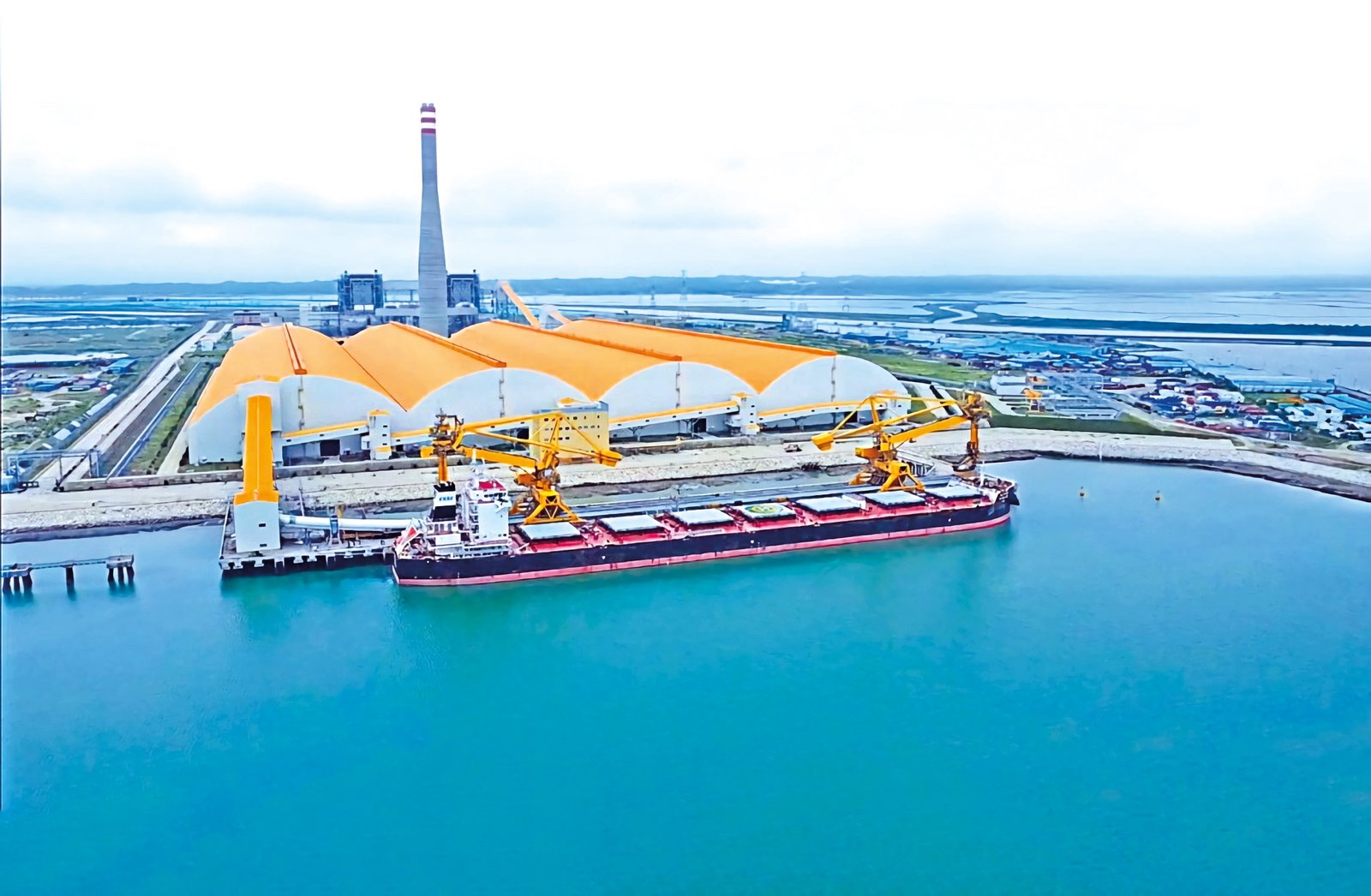
The Rooppur Nuclear Power Plant project must be completed without delay, and imported coal-based plants at Payra, Rampal, Matarbari, and Anwara must ensure an uninterrupted coal supply. The government must also fast-track contracts for new Floating Storage and Regasification Units (FSRUs), resolve pending disputes (including with Summit Group) amicably, and accelerate work on the Matarbari land-based LNG terminal.
Reform Governance and Strengthen Institutions
The governance of the power and energy sectors requires a paradigm shift. The Energy and Mineral Resources Division (EMRD) and Power Division should focus solely on policymaking and oversight, leaving operations to state-owned enterprises (SOEs) under the independent regulation of the Bangladesh Energy Regulatory Commission (BERC).
These institutions must be managed by professionals with the right expertise. SOEs should have the autonomy provided under company law, free from bureaucratic and political interference. Bangladesh must also take steps to retain its skilled engineers and energy professionals through better incentives and career opportunities, especially as the global energy landscape moves toward AI, blockchain, and smart technologies.
Conclusion
Bangladesh is at a crossroads. Between 2026 and 2030, the nation could face an even deeper energy crisis if decisive actions are not taken now. There are no quick fixes—but there is a way forward. Energy efficiency, transparency, and responsible resource management must become national priorities.
The next government must act boldly to eliminate theft and pilferage disguised as “system loss,” enforce accountability, and optimize every unit of energy produced. Energy is not just an economic issue – it is a national security concern. Bangladesh cannot afford another decade of policy paralysis.
Key Priorities for the Next Government:
· Follow the Integrated Energy and Power Master Plan (IEPMP) with discipline.
· Launch PSC bidding for onshore and offshore petroleum exploration.
· Strongly support BAPEX’s exploration and development of 50–100 new wells.
· Expedite gas evacuation from Bhola to the national grid and start drilling in CHT, Chattak, and Tengratilla.
· Complete the Rooppur Nuclear Power Plant on schedule.
· Ensure imported coal-based plants have an uninterrupted coal supply.
· Establish a state-owned agency dedicated to renewable energy development.
· Allow BERC to function independently, free from interference.
· Finally, make domestic coal mining a top national priority.
If these steps are taken decisively, Bangladesh can move toward true energy independence – fueling its industries, empowering its people, and securing a sustainable future.
Download Article As PDF/userfiles/EP_23_11_Article.pdf