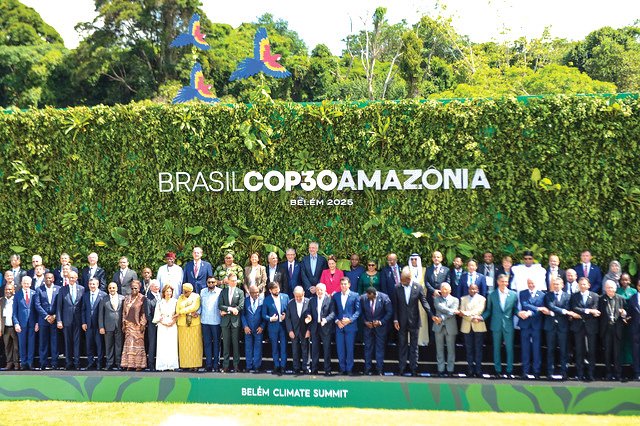
As climate impacts intensify and global politics grow increasingly fractured, leaders gathered in Belém with a single message: the world is running out of time. What was meant to be a moment of shared ambition quickly became a sobering reminder of the widening gulf between scientific reality and political will.
Hosted just days before COP30, the Belém Leaders’ Summit sought to revive momentum for climate justice, overhaul the global finance system, and rally support behind the 1.5°C goal. Yet the meeting unfolded under the shadow of absent major emitters and years of unfulfilled financial promises, leaving attendees torn between urgency and frustration.
Even so, the summit delivered a clear call: without a fundamental reset in climate finance and stronger commitments from the world’s wealthiest economies, the Paris Agreement’s core ambition will remain out of reach.
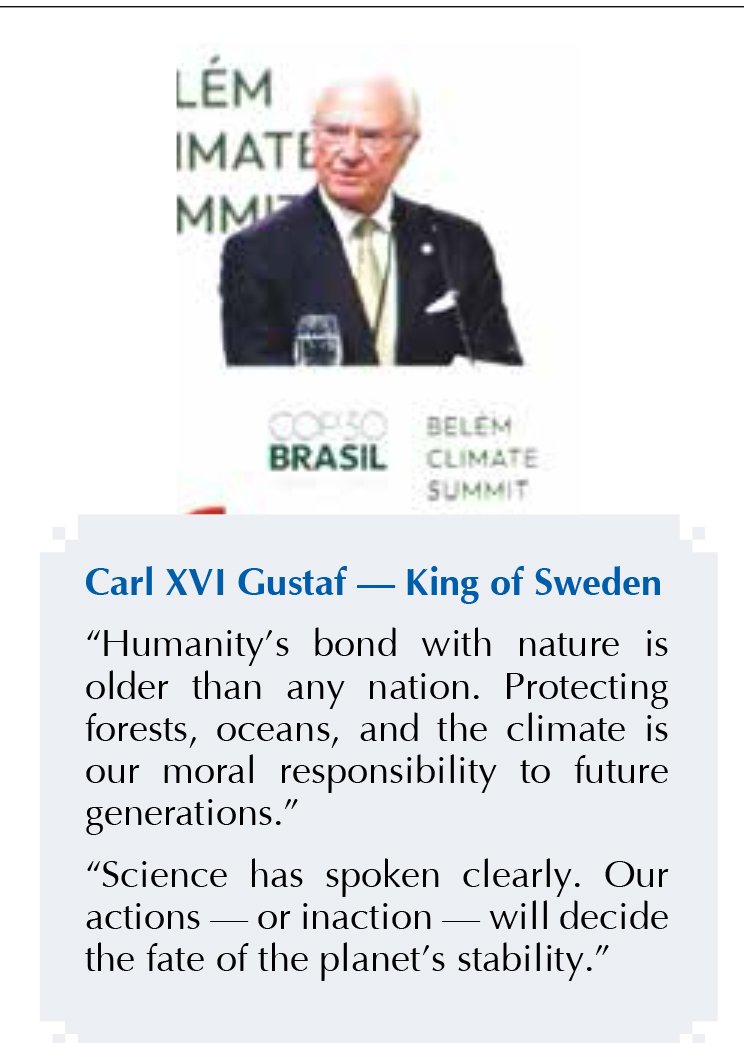
The Belém Leaders’ Summit brought together heads of state, ministers, and global institutions in an urgent appeal for climate justice, financial transformation, and a renewed commitment to the 1.5°C goal. Against the backdrop of rising emissions and growing geopolitical fragmentation, leaders warned that the future of the Paris Agreement depends on fixing the world’s broken climate finance system.
A Summit Framed by Crisis and Opportunity
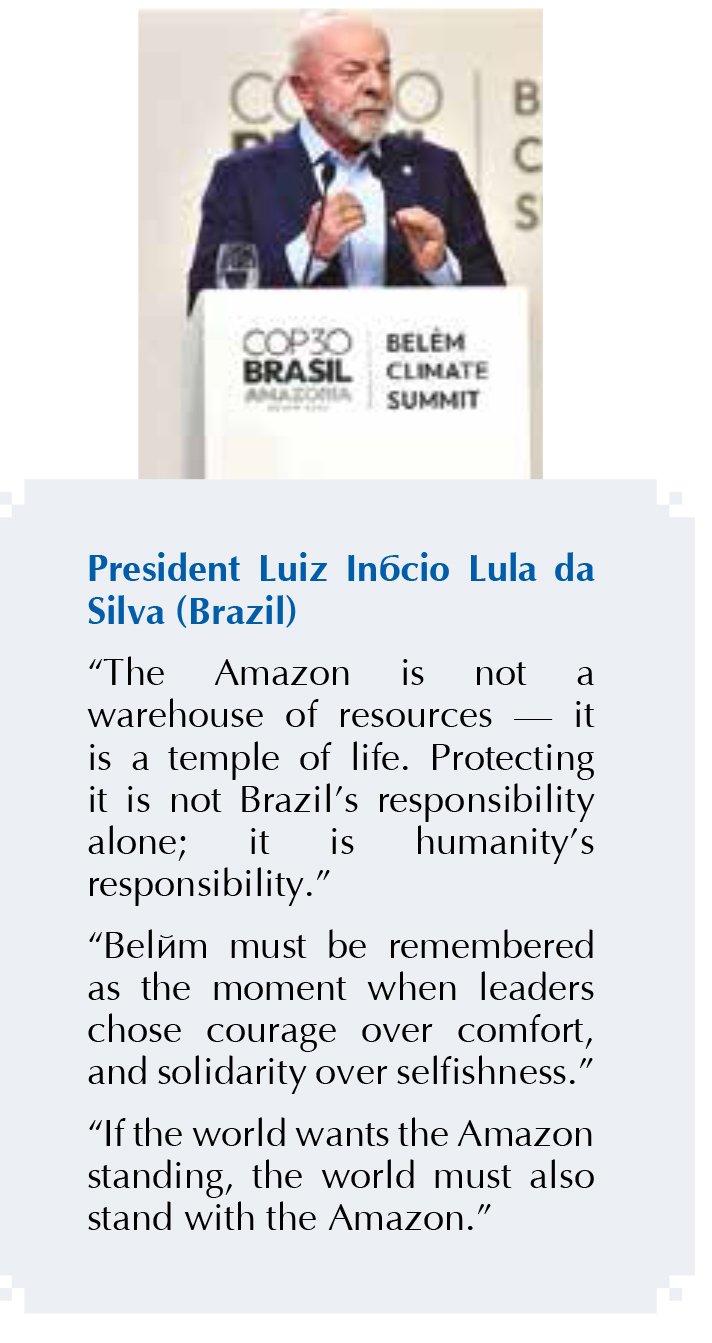
Opening the summit, Brazilian President Luiz Inácio Lula da Silva called Belém “a turning point for fairness,” urging nations to resist climate denialism and political paralysis.
“The Amazon is not just a forest — it is a warning. Either we act together now or we will fail together,” Lula declared.
Leaders from the Global South pressed wealthy nations to finally deliver long-promised financing. The summit’s central theme — a global climate finance reset — dominated discussions, linking mitigation, adaptation, and loss & damage to a broader agenda for debt relief and systemic reform.
Key Financial Announcements and Pledges
1. Brazil and G20 Proposal for a Global Climate Finance Compact
Supported by France, Kenya, and Barbados, Brazil announced backing for a proposal to:
• Triple multilateral development bank (MDB) climate lending by 2030
• Mobilize USD 500 billion annually in public finance
• Introduce global climate solidarity levies, including aviation and shipping taxes
2. European Union Pledge
The EU committed an additional €8 billion over five years for adaptation and loss & damage, stressing that “public finance must multiply, and private finance must not replace responsibility.”
3. African Leaders’ Demands for Debt Relief
Several African heads of state called for cancellation of “unpayable debt,” arguing that interest payments are choking climate investment and trapping vulnerable economies.
4. Small Island States (AOSIS) Statement
AOSIS demanded a stand-alone Loss & Damage Fund replenishment mechanism, noting that “current pledges cover less than 1% of the real need.”
5. Latin America Coalition for Forest Protection
Brazil, Colombia, Peru, and Congo committed to a joint Amazon–Congo rainforest pact and urged donors to establish a USD 20 billion per year funding window for forests and nature.
Climate Finance Reset Dialogue: A Central Pillar of the Summit
During the high-level dialogue, leaders described the global finance system as “structurally failing” and “disconnected from climate reality.”
Economists highlighted that developing countries need USD 3.0 trillion annually by 2030 — far beyond what current commitments provide.
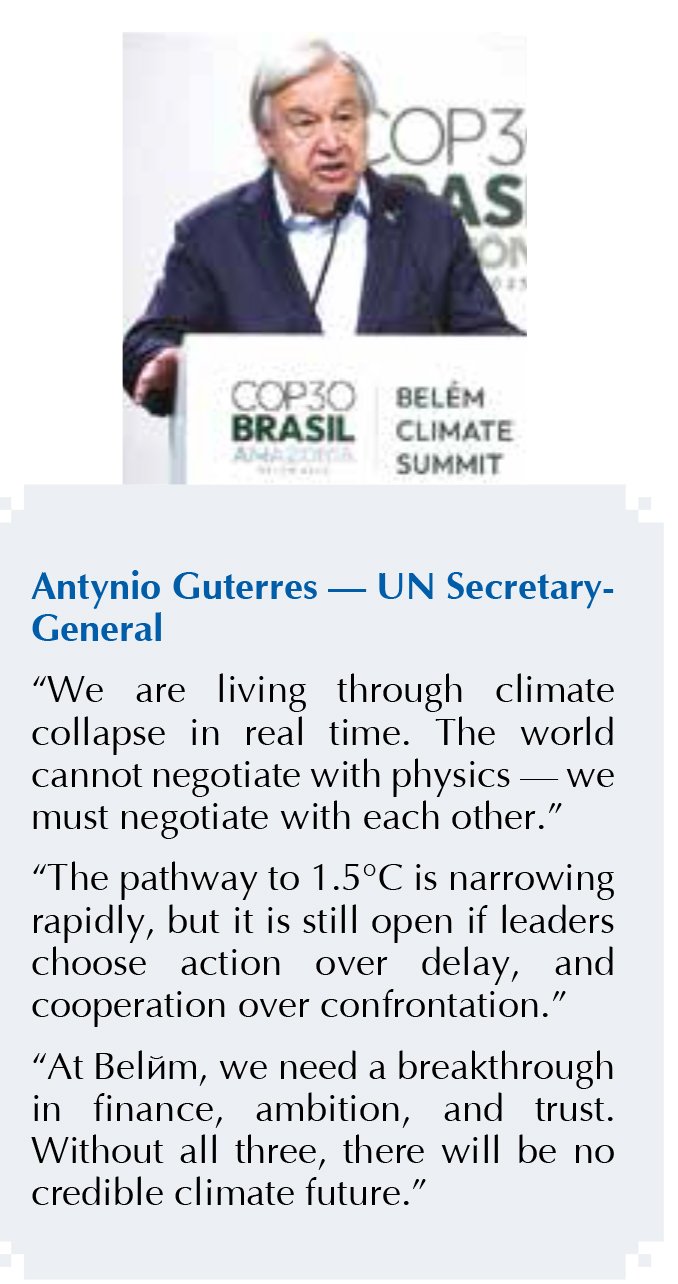
UN Secretary-General António Guterres issued a stark warning: “Delay is death. The planet cannot afford another decade of excuses. Wealthier nations must pay their fair share.”
Political Significance: High Expectations, Deep Divisions
Despite powerful rhetoric, disagreements over fossil-fuel phaseout timelines, conditional finance, and carbon market rules prevented a unified outcome.
Still, negotiators say the Belém Leaders’ Summit achieved the following:
• Restored some trust after the collapse of ambition at COP29
• Put finance, justice, and systemic reform at the center of COP30
• Increased pressure to deliver a meaningful New Collective Quantified Goal (NCQG)
Yet it remains unclear whether these signals will translate into binding commitments before the closing plenary.
Conclusion
Days before COP30 began, Brazil broke with convention by organizing a Leaders’ Summit to galvanize high-level political guidance and secure stronger climate finance commitments, especially to support the 1.5°C goal and mobilize new contributions to the Loss and Damage Fund. Brazil also sought backing for its USD 10 billion “Tropical Forests Forever Fund (TFFF),” ultimately securing USD 5.6 billion in pledges. However, no new commitments were made for the Loss and Damage Fund.
The absence of heads of state from major global emitters — including the United States, China, Russia, and India, which together account for half of global emissions — cast a deep shadow over the proceedings. Leaders from the Global South stressed that more climate finance is essential to confront escalating impacts, but leaders from the Global North largely pointed to their domestic transition plans without offering new international funding.
Experts say the summit leaned heavily on political messaging while sidelining scientific urgency. Despite repeated IPCC warnings, major historical and emerging emitters continue slow-walking emissions cuts, putting the world off track for net-zero by 2050. Civil society groups underscored these concerns, though wealthy nations paid little heed.
While Brazil invested heavily in climate diplomacy throughout the year, the outcomes of the Leaders’ Summit suggest that this effort has not yet convinced the Global North to meaningfully scale up climate action. As COP30’s negotiations begin, they do so under the long shadow of unmet expectations from Belém. Whether COP30 can turn political signals into real action will only become clear once the negotiations conclude.
Download Special Report As PDF/userfiles/EP_23_11_Special_Report.pdf