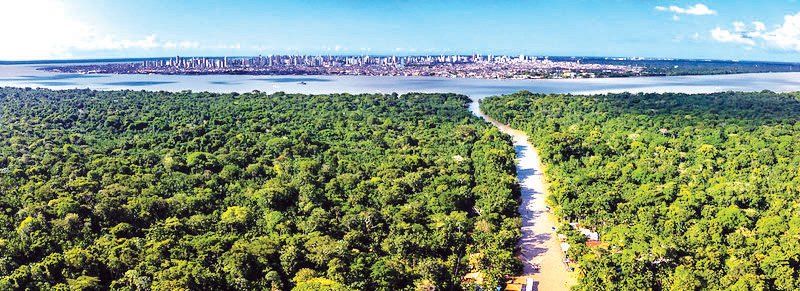
Another Conference of the Parties (COP) is underway—this time in Belém, Brazil. For two weeks, policymakers from around the world will negotiate greenhouse gas mitigation measures to keep the 1.5°C temperature goal within reach. Developing countries are expected to press for the finance they urgently need for both adaptation and mitigation. Expectations are high that developed nations will announce expanded climate-finance commitments, raising the current USD 300 billion pledge agreed at the last COP. There is also hope that a larger share of this finance will come in the form of grants and low-cost loans.
The scale of financing required is immense: an estimated USD 1.3 trillion per year. Yet developed countries have committed to only USD 300 billion annually beginning in 2035 – a promise that falls far short of the immediate needs. The gap between what developing countries expect and what has been promised is wide, and these countries need support now, not years down the line.
Their demands are grounded in reality. Developing nations are already experiencing the harshest climate impacts, with rising temperatures, extreme weather, and economic disruptions accelerating far faster than expected. Globally, time is running out. UN Secretary-General António Guterres has warned that the world is on track to *temporarily breach* the 1.5°C limit, meaning even greater efforts will be required to realign with the Paris Agreement.
Nationally Determined Contributions (NDCs), the backbone of the Paris Agreement, continue to fall short. According to the latest UNFCCC analysis, the updated NDCs (NDC 3.0) submitted by 64 countries remain far off the trajectory needed to achieve the 1.5°C goal.
As climate impacts worsen, COP30 must deliver results rather than another round of lofty promises. Since the Paris Agreement was signed, nearly every COP has ended with pledges to enhance ambition on mitigation, adaptation, and finance. COP30, widely considered the “implementation COP,” must now translate those commitments into concrete action, particularly from developed countries whose support is essential for developing nations.
Unfortunately, recent COPs have repeatedly disappointed. Some delegates from developing countries warn that public confidence in the COP process may erode unless tangible progress becomes visible. While renewable energy deployment is accelerating and energy-efficiency improvements offer hope, the scale of action remains far below what is required. The COP30 Presidency has outlined a six-point action agenda covering adaptation, mitigation, forest protection, and finance, offering a clear roadmap. Despite pushback from some countries, the debate over transitioning away from fossil fuels continues, first introduced at COP28 in Dubai. Whether it involves “phaseout” or “phasedown,” a concrete pathway is essential, and COP30 could be the moment to secure one.
Yet history offers reason for cautious optimism. The 1992 Earth Summit in Brazil, often seen as a landmark moment in global environmental governance, established the UNFCCC and paved the way for today’s climate negotiations. More than 30 years later, COP30 in the Amazon may once again become a turning point, helping the world confront climate reality and agree on actionable, Paris-aligned measures.
There is also hope in the Paris Agreement itself. Without it, discussions about breaching 1.5°C or the magnitude of necessary finance would not even be possible. The Agreement lays out the global path forward and has guided analyses showing both the scale of investment required and the critical need for support to developing countries. Whether COP30 can mobilize that support and transform commitments into action will determine whether the world can still meet its climate goals.
Download COP30_Special As PDF/userfiles/EP_23_11_COP30_Special2.pdf