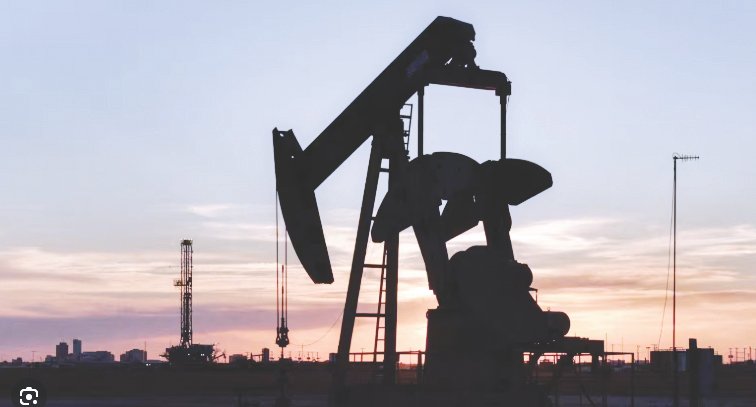
OPEC+ agreed recently to raise its oil output quotas by 206,000 barrels per day for May, a modest rise that will largely exist on paper as its key members are unable to raise production due to the US-Israeli war with Iran.
The war has effectively shut the Strait of Hormuz – the world’s most important oil route – since the end of February and cut exports from OPEC+ members Saudi Arabia, the UAE, Kuwait and Iraq, the only countries in the group which were able to significantly raise production even before the conflict began.
Crude prices have surged to a four-year high close to $120 a barrel, translating into soaring prices for transport fuels which are pressuring consumers and businesses across the globe, and triggering government action to conserve supplies.
“In reality, it adds very few barrels to the market,” said Jorge Leon, a former OPEC official who now works as head of geopolitical analysis at Rystad Energy.