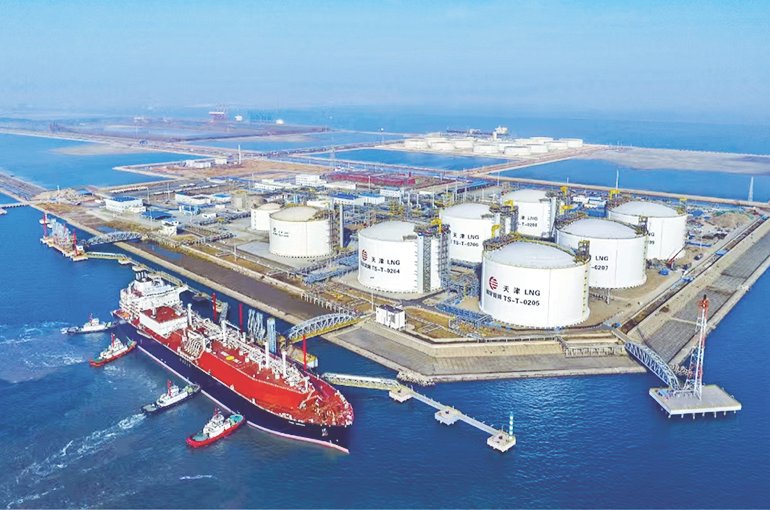
Bangladesh’s remarkable economic growth over the past two decades has been powered largely by natural gas and affordable energy. As industries expand, cities grow, and electricity demand continues to rise, ensuring a stable and reliable energy supply has become one of the country’s most critical national priorities. Today, however, the energy landscape is changing rapidly. Declining domestic gas reserves, increasing dependence on imported fuels, and rising geopolitical tensions in global energy markets are creating new challenges for Bangladesh.
Recent geopolitical tensions involving Iran and instability in the Middle East have once again highlighted the vulnerability of global energy supply chains. A large portion of the world’s oil and liquefied natural gas (LNG) exports pass through the strategically important Strait of Hormuz. Any disruption in this region can quickly affect international energy prices and supply availability. For energy-importing countries like Bangladesh, such disruptions can lead to higher costs, shortages, and economic pressure.
Bangladesh’s Growing Energy Challenge
Bangladesh’s demand for natural gas has grown steadily with the expansion of power generation, fertilizer production, and export-oriented industries such as textiles and manufacturing. While domestic gas fields once supplied most of the country’s needs, production from many of these fields has been gradually declining. As a result, the gap between demand and domestic supply continues to widen.
To address this shortage, Bangladesh has increasingly relied on imported LNG and installed 2 Floating Storage and Regasification Units (FSRUs) in Moheshkhali. FSRUs have helped the country start LNG imports quickly and bridge part of the supply gap. However, these floating solutions are not a complete long-term answer. They have limitations in terms of storage capacity, weather vulnerability, and operational stability.
At the same time, LPG consumption in Bangladesh has been growing rapidly, particularly for household cooking and commercial uses. With urbanization and rising living standards, demand for LPG is expected to increase further in the coming years.
These realities indicate that Bangladesh needs a stronger, more permanent energy import infrastructure to support its future energy needs.
The Role of Land-Based Energy Terminals
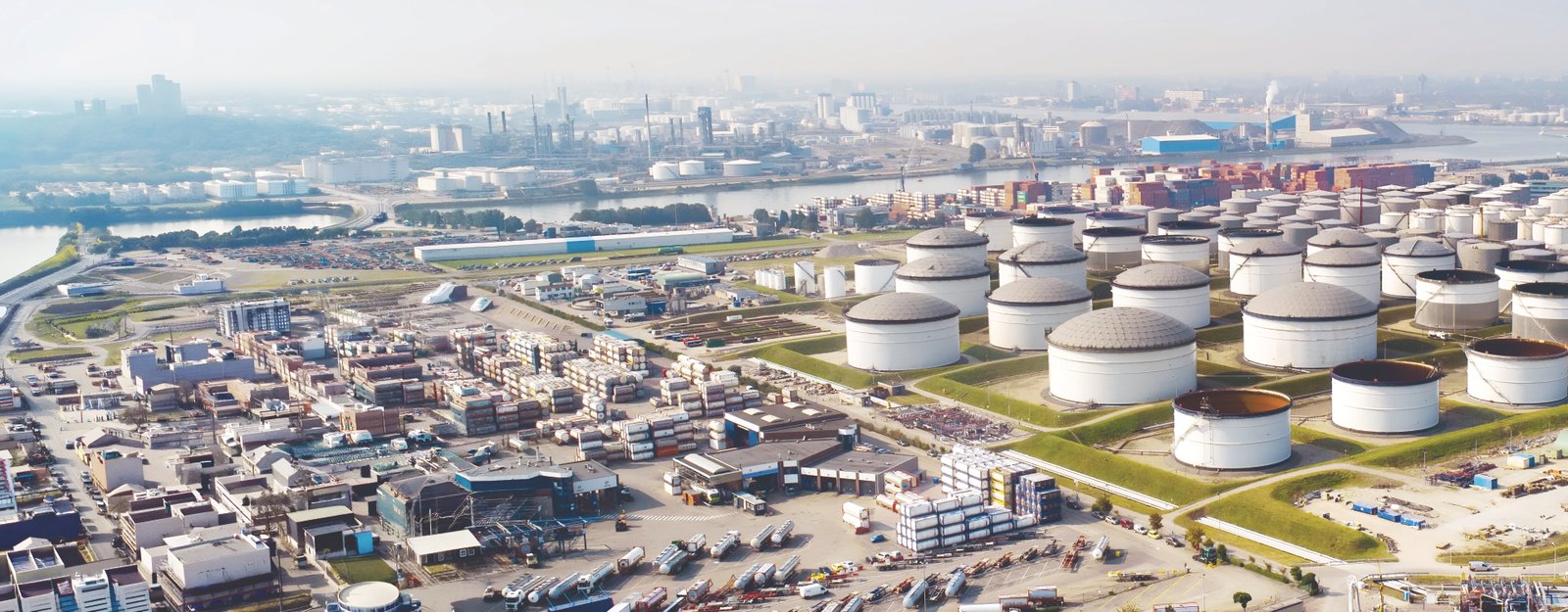
One strategic solution is the development of modern land-based energy terminals capable of handling Energy (LNG, LPG, and others Petroleum products) imports, storage, and distribution. Such terminals provide several key advantages that can significantly strengthen Bangladesh’s energy system.
First, land-based terminals allow the development of large storage capacity. This enables the country to maintain strategic reserves of Energy, reducing the risk of supply disruptions caused by global crises, shipping delays, or geopolitical conflicts. Strategic reserves can provide a buffer during emergencies and allow the government to manage energy supply more effectively.
Second, land-based facilities offer greater operational stability and safety compared with floating solutions. While FSRUs are valuable for rapid deployment, permanent onshore terminals can operate for decades with higher efficiency, improved safety systems, and larger handling capacity.
Third, such terminals can help diversify supply sources. With adequate infrastructure, Bangladesh can import LNG and LPG from multiple regions, including the United States, Africa, Australia, and Southeast Asia. Diversification reduces dependence on any single supplier or region and strengthens negotiating power when securing long-term contracts.
Fourth, modern terminals can support future energy market development. With adequate storage and import capacity, Bangladesh could improve gas distribution, stabilize supply for industries, and even develop regional energy trading opportunities in the future.
Economic Benefits for Industry and Power Generation
A reliable energy supply is essential for Bangladesh’s industrial competitiveness. Industries such as textiles, ceramics, steel, and fertilizer depend heavily on an uninterrupted gas and energy supply. Energy shortages often lead to production disruptions, higher manufacturing costs, and loss of export competitiveness.
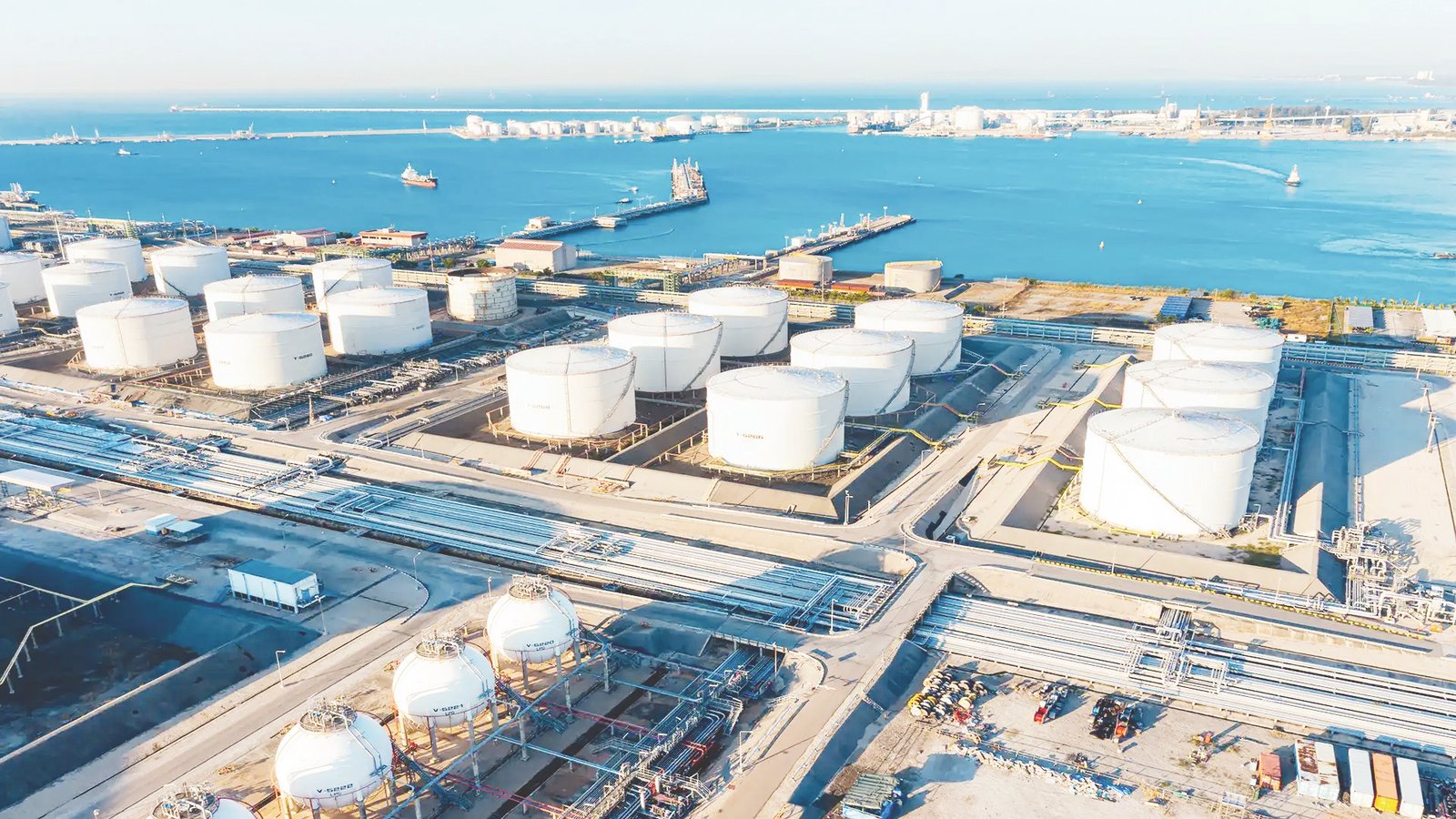
By ensuring stable access to imported LNG and LPG, modern energy terminals can help maintain continuous industrial operations, support export growth, and attract new investment into the country’s manufacturing sector.
The power sector would also benefit significantly. A reliable gas supply would help power plants operate more efficiently and reduce dependence on expensive liquid fuels such as diesel and furnace oil.
Challenges in Developing Energy Terminals
Despite their strategic importance, developing large energy terminals involves several challenges.
One major challenge is high capital investment. LNG and LPG terminals require significant funding for storage tanks, regasification systems, pipelines, marine facilities, and safety infrastructure.
Another challenge is land availability and environmental considerations. Proper site selection is critical to ensure safety, minimize environmental impact, and allow efficient connection with the national gas pipeline network.
In addition, regulatory coordination among different government agencies is necessary to ensure timely project approvals, infrastructure planning, and integration with national energy policies.
Global market volatility also presents a challenge. LNG prices can fluctuate significantly depending on global demand, weather patterns, and geopolitical developments.
Overcoming the Challenges
These challenges can be addressed through careful planning and strong policy support.
First, public-private partnerships can help mobilize the large investments required for energy infrastructure. Private sector participation, combined with government support, can accelerate project development and reduce financial pressure on the state.
Second, adopting clear and stable regulatory frameworks will encourage long-term investment in energy infrastructure. Transparent policies and efficient approval processes can significantly shorten project timelines.
Third, Bangladesh can strengthen its long-term LNG procurement strategy, combining spot purchases with long-term contracts to balance price stability and supply flexibility.
Finally, integrating new terminals with national energy planning—including pipeline expansion, storage development, and gas distribution upgrades—will ensure that imported fuel can be delivered efficiently to power plants and industries across the country.
Accelerating Offshore Exploration
While strengthening import infrastructure is essential for immediate energy security, Bangladesh must also focus on expanding domestic energy production to reduce long-term dependence on imports.
The country has significant untapped potential for hydrocarbon exploration in the offshore areas of the Bay of Bengal. Despite this potential, offshore exploration activities have remained limited over the years. Accelerating exploration through modern seismic surveys, improved regulatory frameworks, and attractive production-sharing contracts could encourage greater participation from experienced international oil companies.
Successful offshore gas discoveries could significantly strengthen Bangladesh’s domestic energy supply, reduce reliance on imported fuels, and provide long-term stability to the national energy system. Even a few large discoveries could supply the country’s gas network for many years, supporting power generation, industry, and economic growth.
A Balanced Strategy for Energy Security
The lessons from recent global conflicts clearly demonstrate that energy security cannot rely on a single solution. Bangladesh needs a balanced and forward-looking strategy that combines domestic resource development with reliable import infrastructure.
Expanding LNG, LPG, and other petroleum products import capacity through modern land-based terminals will ensure stable short- and medium-term supply. At the same time, accelerating offshore gas exploration will help strengthen domestic production and reduce long-term dependence on imported energy.
Such a diversified approach will enhance Bangladesh’s resilience against global market volatility, geopolitical disruptions, and supply shocks.
Looking Ahead
In an increasingly uncertain global energy landscape, energy infrastructure must be viewed not merely as an economic investment but as a strategic national priority. By strengthening import capacity, diversifying supply sources, and unlocking offshore gas potential, Bangladesh can build a more secure and resilient energy future.
The recent Gulf crisis provides an important lesson: countries that invest early in strong and diversified energy systems are far better prepared to navigate global uncertainty. For Bangladesh, the time to act is now.
Engr. Md Quamruzzaman, Ex Director, Petrobangla, qzaman02@gmail.com
Download Special Article As PDF/userfiles/EP_23_21_Special_Article.pdf