Since 2010, Bangladesh has significantly expanded electricity generation by establishing numerous power plants under short-, medium-, and long-term plans based on a conventional fossil fuel mix. However, exploration of domestic fossil fuel resources did not continue in line with the country’s growing energy demand. To meet rising electricity demand, Bangladesh began setting up power plants dependent on imported coal, LNG, and liquid fuels.
As of January 2026, Bangladesh’s installed capacity reached 28,919 MW. The fuel mix is presented as below:
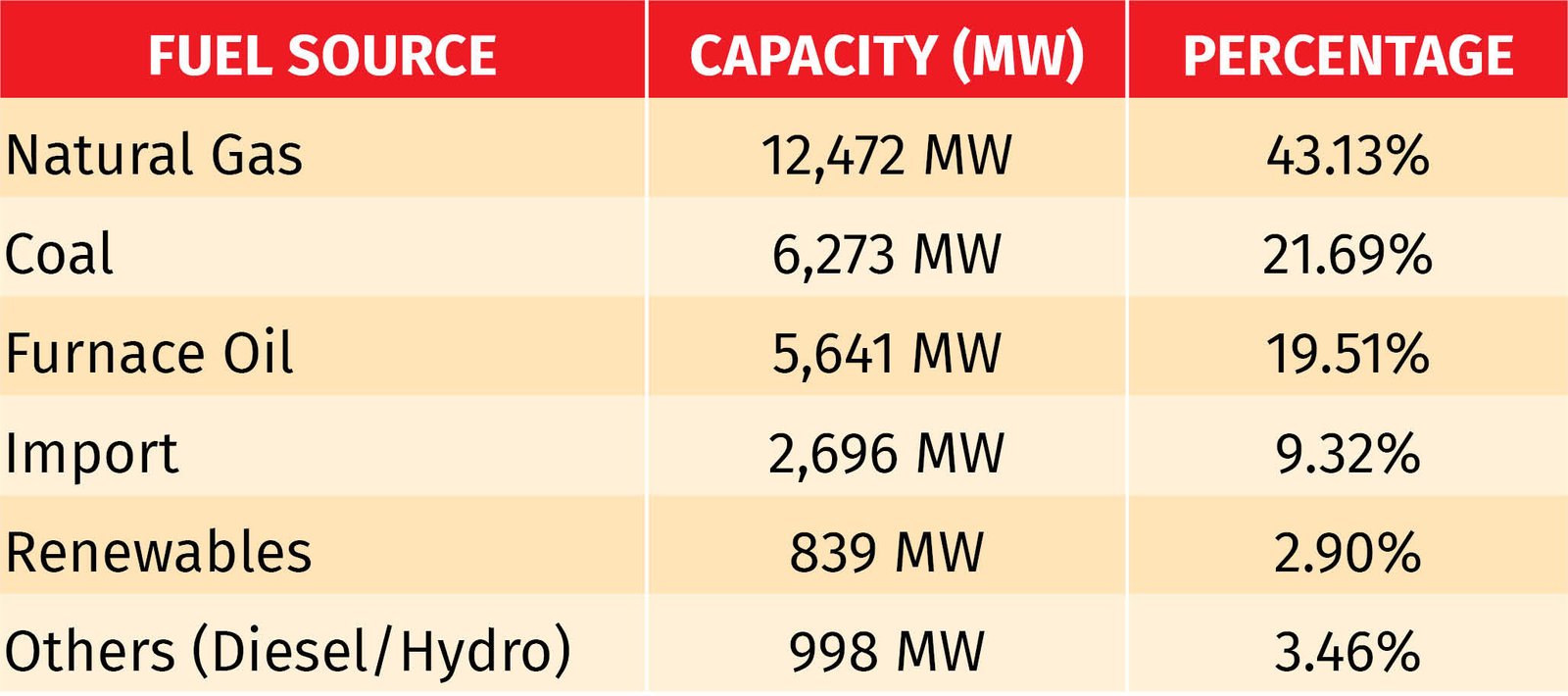
Available data show that gas-based generation capacity stands at 12,472 MW out of a total installed capacity of 28,919 MW. However, due to limited gas supply, the Bangladesh Power Development Board (BPDB) can generate only around 5,000 MW from gas-based plants. This means nearly 7,000 MW of gas-fired capacity remains idle because of gas shortages.
As domestic fuel supply declined, dependence on imported fossil fuels increased significantly. Imported fuels such as coal, LNG, and liquid fuels are costly, volatile, and subject to international market fluctuations. As a result, uninterrupted electricity supply cannot be fully guaranteed, even though Bangladesh has developed generation capacity far exceeding current demand. In 2025, for example, electricity generation reached 16,794 MW to meet the demand of around 17,000 MW.
A large share of the country’s power generation capacity relies on imported primary energy. BPDB can operate only its 525 MW Barapukuria plant using domestic coal. All other coal-based power plants depend on imported coal. Similarly, around 30 percent of natural gas now comes from imported LNG, while about 90 percent of furnace oil is imported. Consequently, electricity generation costs depend heavily on international fuel prices, which are both high and volatile.
According to recent BPDB statistics, the per-unit fuel cost of electricity generation varies widely depending on the fuel source. Gas-based power plants generate electricity at around Tk 3.86 per unit, while coal-based plants have a fuel cost of approximately Tk 7.23 per unit. In contrast, furnace oil–based plants have a much higher fuel cost of around Tk 19.11 per unit. These costs fluctuate with international market conditions. The average electricity generation cost during FY 2024–25 was about Tk 11.83 per unit.
Heavy dependence on imported LNG, liquid fuel, and coal cannot ensure long-term energy security or stability in the power sector. This vulnerability became evident during the Russia–Ukraine war, when global fuel markets were severely disrupted. Similarly, ongoing geopolitical tensions in the Middle East, including conflicts involving Iran, Israel, and the United States, have created additional uncertainty in LNG and liquid fuel supplies.
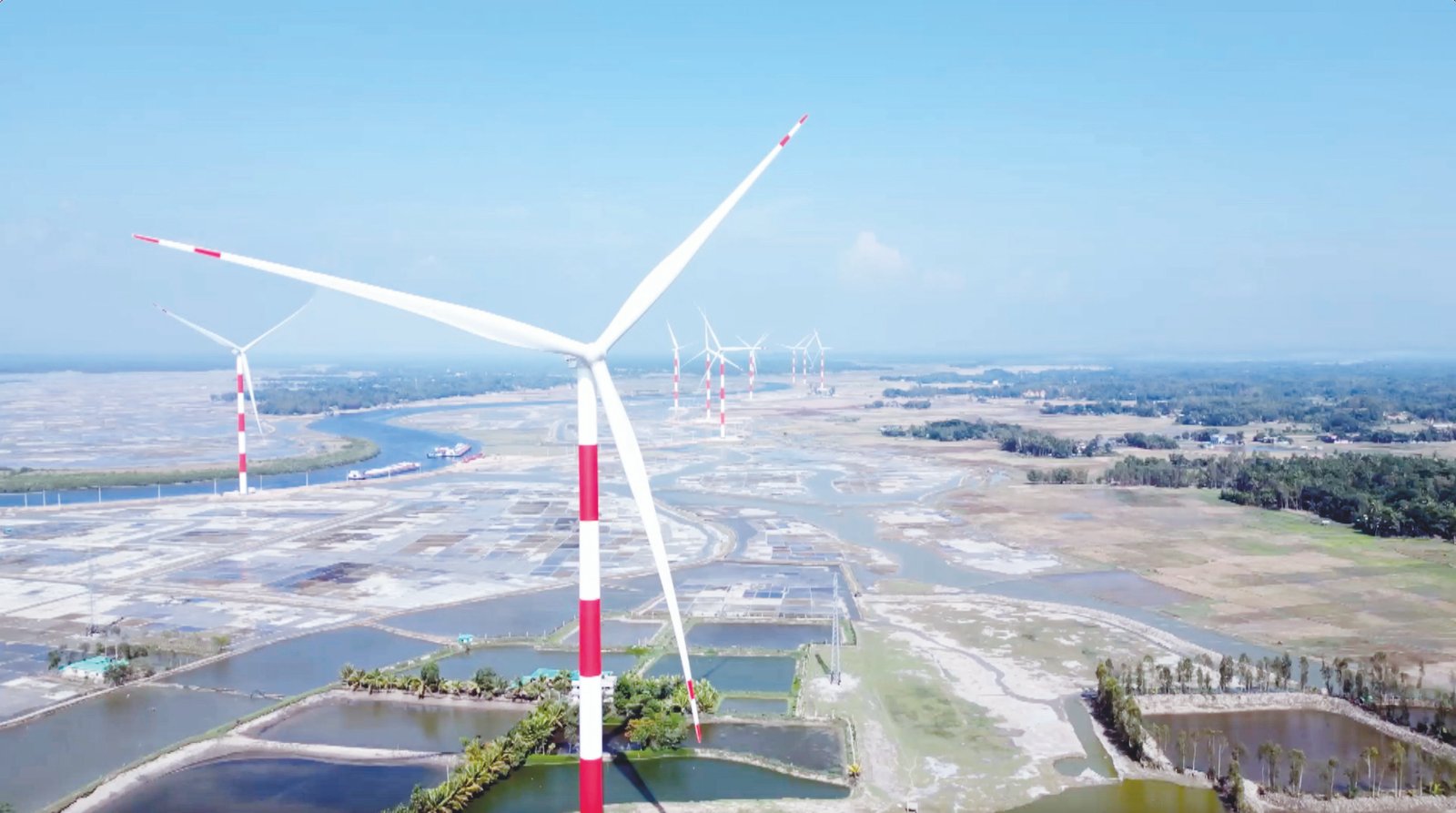
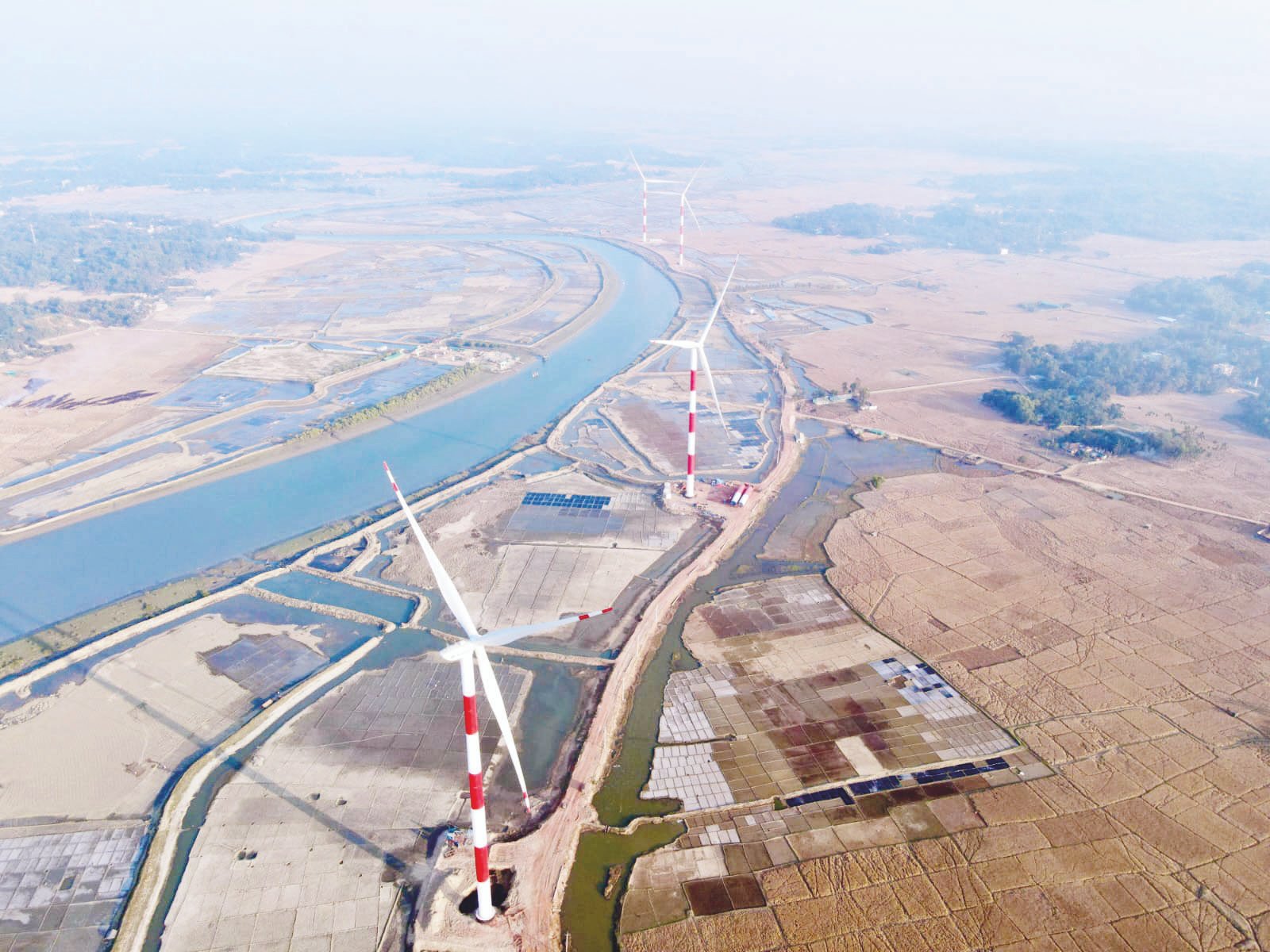
To ensure sustainable and affordable electricity for the country, Bangladesh must gradually reduce its dependence on imported fossil fuels and expand renewable energy. Currently, only about 839 MW of renewable power capacity is connected to the national grid. Of this, just 60 MW comes from an onshore wind farm in Cox’s Bazar, which is clearly insufficient.
Several initiatives have been taken to expand renewable energy. The National Renewable Energy Policy 2025 has set ambitious targets: meeting 20 percent of the country’s electricity demand from renewable sources by 2030 and 30 percent by 2040. Achieving these targets will require adding approximately 3,000 MW of renewable capacity by 2030 and about 4,100 MW by 2040.
At present, most efforts focus on developing solar power plants to achieve renewable energy targets. However, solar alone cannot meet the country’s renewable energy requirements for several reasons:
* Limited availability of land for large solar installations.
* Solar plants generate power only during daylight hours, with peak output lasting only two to three hours.
* The plant factor is relatively low, typically between 18 and 20 percent.
* Additional generation capacity or battery storage is required to meet evening peak demand.
* Solar power supported by Battery Energy Storage Systems (BESS) for evening supply can cost more than Tk 20 per unit, which is very high.
* After a certain level of solar penetration, low-cost base-load plants may have to reduce output, potentially increasing overall generation costs.
Given these limitations, Bangladesh should not rely solely on solar power to meet renewable energy goals. Instead, greater attention should be given to wind energy, the country’s second major renewable resource.
Bangladesh has moderate average wind speeds of around 5.5 meters per second in coastal regions, with higher wind speeds in offshore areas. In regions with strong wind resources, the cost of wind power generation typically ranges from 4 to 6 cents per unit. However, because Bangladesh’s wind speeds are moderate, generation costs are somewhat higher.
The 60 MW wind power project in Cox’s Bazar has a tariff of about 12 cents per unit and a plant factor of roughly 22 percent—higher than that of most solar projects.
Encouragingly, advances in wind turbine technology are making wind power more viable in areas with low to moderate wind speeds. Key technological improvements include:
* Reduced cut-in wind speeds—from about 3.5 m/s to below 3 m/s.
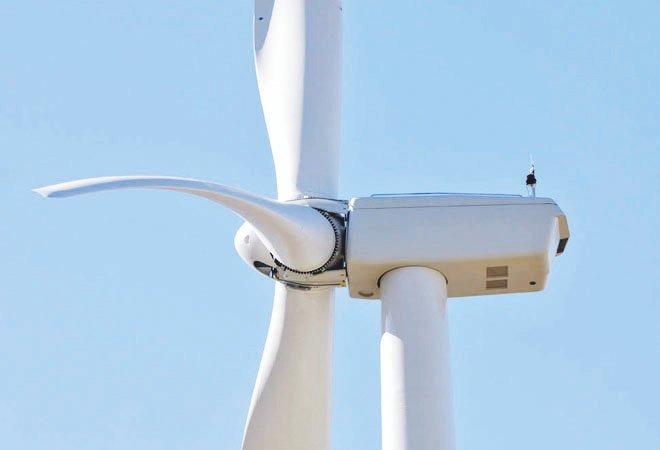
* Manufacturing of larger-capacity wind turbines, some exceeding 10 MW.
These innovations increase plant efficiency and reduce generation costs. In the near future, wind power costs could fall to around 8–10 cents per unit and potentially decline further as technology advances.
Why Wind Power Is Essential Alongside Solar
Wind energy offers several advantages when developed alongside solar power:
* With recent technological advances, wind power tariffs can become economically viable.
* Unlike solar, wind can generate electricity throughout both day and night without battery storage.
* Evening electricity generation from solar requires expensive battery storage, costing around Tk 20 per unit, whereas wind power costs remain stable at around Tk 12 per unit.
* Wind power generation often increases at night, which complements solar generation patterns.
* Diversifying renewable energy sources strengthens the overall energy mix.
Bangladesh has a long coastline where average wind speeds range between 5.5 and 7.0 meters per second, while offshore wind speeds are even higher. Identifying the most suitable areas for wind farms is therefore essential.
The Way Forward
Developing wind energy is a long-term process. Unlike solar projects, wind farms require extensive site-specific wind data before construction begins. Therefore, the following steps should be initiated immediately:
* Conduct extensive wind resource assessments using met masts or LiDAR technology across onshore, near-shore, and offshore coastal areas.
* Carry out feasibility studies in potential locations.
* Identify and select viable sites for wind farm development.
* Begin phased implementation of wind power projects.
To ensure long-term energy security in the power sector, Bangladesh must develop wind farms in onshore, near-shore, and offshore areas alongside solar power plants. However, wind power development requires at least two to three years of wind data collection. Including feasibility studies, planning, and construction, a typical wind power project may take around five years to complete.
Therefore, if Bangladesh aims to meet its renewable energy targets, comprehensive wind resource studies must begin immediately. Diversifying the country’s renewable energy portfolio is essential to building a secure, affordable, and sustainable power sector.
Engr. Md. Mozammel Hossain, Rtd. Executive Director, Power Grid Bangladesh PLC.
Download Special Article As PDF/userfiles/EP_V_23_19_Specila_Article.pdf