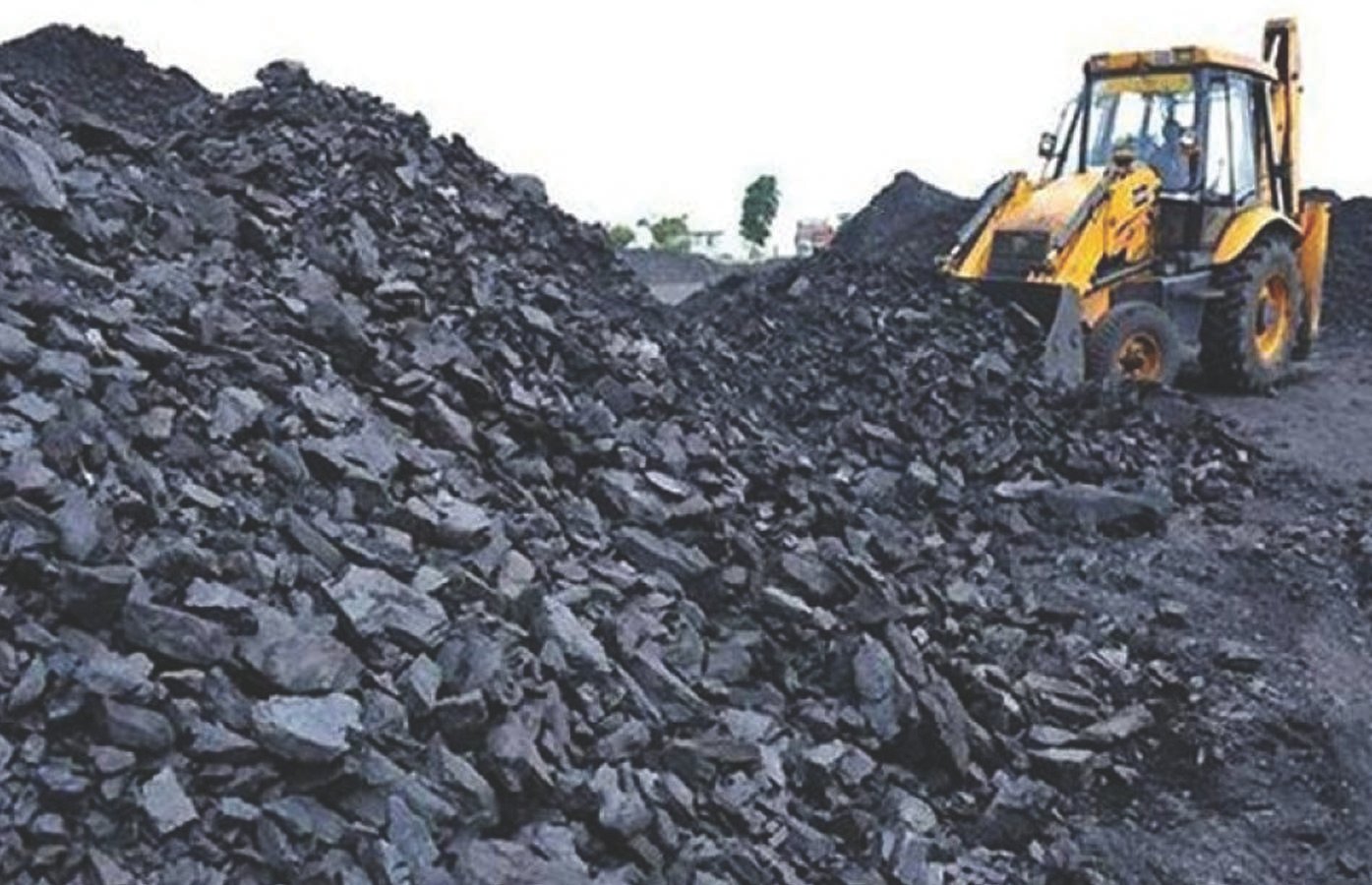
Whether Bangladesh will make a firm decision on the use of its own coal reserves for power generation is an issue being debated again. The question has always been critical and interesting as even the experts – not to speak of the government policymakers – could arrive at a consensus on it. Bangladesh has an estimated 834 million tonnes of mineable coal across its five coalfields, according to the latest figure presented in a recent seminar held in Dhaka. The seminar was told that open-pit mining would be required in the extraction of the reserves in most of the fields. Deliberations rightly focused on the country’s dilemma of whether to continue to use imported coal for power generation or go for using its reserves. The previous Awami League government had opted for imported coal in running the coal-based power plants and closed all files regarding the use of the domestic reserves. The 2006 tragic incident in Phulbari which saw two people dead and many injured in violence over the planned open-pit coal mining there helped the then-government decide against mining the country’s reserves.
With the political changeover on August 5, the new administration has now opened the debate. Fouzul Kabir Khan, the energy adviser to the interim government, told the seminar that they are open to various options. He said the government is preparing a roadmap for the next political administration to determine whether to proceed with coal extraction. This marks a shift from the previous government policy of sending the issue to cold storage. The interim government’s main headache has been the challenge it faces in paying the bills for the imported coal. Bangladesh has more than 8,000MW of coal-based power plants and these are largely fuelled by imported coal. Import means paying the suppliers in US dollars which are facing shortage even though the steady increase in the inflow of remittances is saving the day for the moment.
Consider what Mohammad Saiful Islam, secretary to the energy and mineral resources division, said at the seminar. The Daily Star newspaper quoted him as saying "At times, we've struggled to pay coal import bills due to the foreign currency crisis. We must decide whether to use our own coal for power generation."
This is the crux of the issue. How long can we afford to keep our reserves untouched and go on spending meager foreign currency to pay for the imports? To some experts, the problem can be solved by allowing foreign companies to extract our reserves and reduce the dependence on imports. They argue that a delay in making the decision may turn disastrous as Barapukuria, the country’s lone coal-fired power plant may shut down within a few years for a lack of supply.
Those who back the use of local coal refer to its superior quality than imported coal. The seminar was told that the quality of local coal is superior, with a higher calorific value, meaning 26-30 percent less coal is required to generate the same amount of electricity compared to imported coal. There are rival views too. Some experts argue that the extraction of the country’s own reserves will be costly pushing the prices of coal high. According to them, imported coal prices are still lower than locally mined coal. They also highlight the concern over the open-pit mining’s impact on the environment, agricultural land, houses of villagers, and their livelihoods. These are questions that surely call for a scientific assessment.
The need to make a bold decision is highlighted by the fact that the domestic coal reserves are dwindling fast, and there is an urgent need to cut down on imports. A way for an environment-friendly win-win solution can surely be found if sincere efforts are made.
Download Column As PDF/userfiles/EP_22_18_Column.pdf