The 12-day deadly conflict between Israel and Iran, brought to a halt by a ceasefire brokered by U.S. President Donald Trump, has served as a wake-up call for the rest of the world. Continuation of the war and the potential closure of the Strait of Hormuz could have caused irreversible damage to the global economy. Not only would it have had a severe impact on energy security, but it could also have triggered a regional and possibly global war. At one point, even the use of nuclear weapons was on the table.
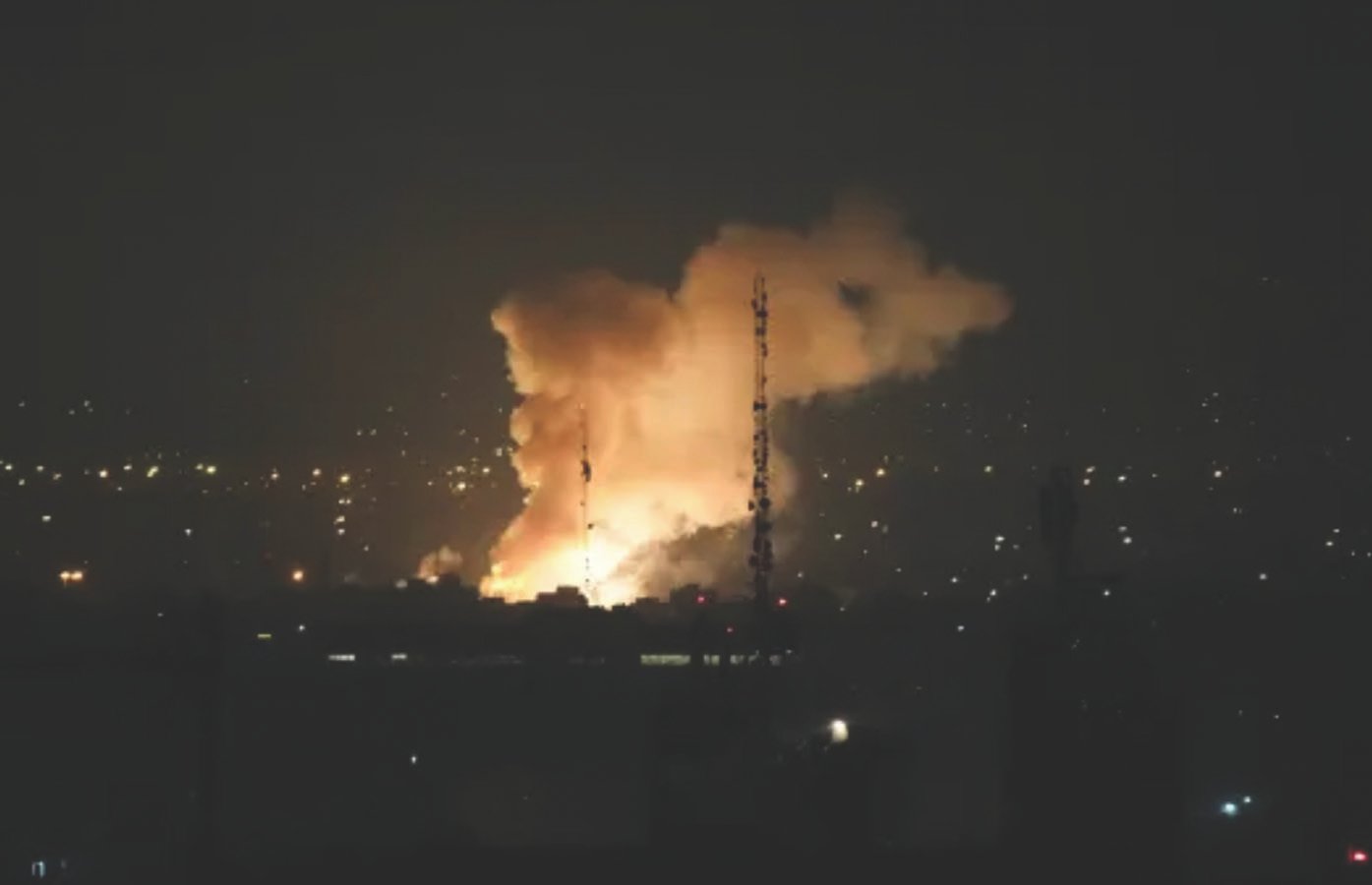
Israel initiated the conflict by launching deadly airstrikes on Iranian nuclear facilities and assassinating top military leaders and senior scientists. Iran responded with ballistic missile and drone attacks on Israeli cities and military installations. At one stage, without waiting for congressional approval, the U.S. President ordered the U.S. Air Force to carry out direct attacks on three Iranian nuclear sites using bunker-busting bombs. Iran retaliated with a measured counterattack on U.S. military bases in Qatar and Iraq.
Then, surprising the world, after the NATO leaders' summit in The Hague, U.S. President Donald Trump announced at a press conference that the conflict between Iran and Israel had come to an end and was unlikely to resume. But the global concern now is: has a permanent ceasefire really been achieved?
This write-up does not aim to dissect the war itself, but rather to analyze its probable impacts and consequences.
Let’s revisit what Donald Trump said during the press conference on June 26: “Because I dealt with both, and they're both tired, exhausted. They fought very, very hard and very viciously, very violently, and they were both satisfied to go home and get out.”
If we conclude from this, it seems both Iran and Israel lost significant military capabilities during the war, limiting their ability to continue. Iran’s potential to weaponize its nuclear program has likely been set back considerably. Meanwhile, Iranian missiles and drones inflicted major damage on Israel’s defense infrastructure. Despite this, Israel and the U.S. may not have achieved their ultimate goal of dismantling Iran’s nuclear capability or triggering regime change in Tehran. Moreover, Israel continued its genocide in Gaza, which raises the possibility of the conflict reigniting at any moment.
The global community, especially countries in the Persian Gulf and the wider Middle East, is deeply concerned about the impact of the conflict on oil trade and fuel prices. When President Trump declared a "complete and total ceasefire," marking the end of the "12-day war" on June 24, 2025, crude oil prices fell, calming fears about a blockade of the Strait of Hormuz. However, it’s important to note that the Iranian parliament has already approved a resolution to close the strait should the situation escalate again. Iran has also demonstrated its capacity to strike U.S. military installations across the region. Meanwhile, Russia, China, Turkey, and Pakistan have pledged their support for Iran. While Israel will likely rebuild its air defenses with U.S. and Western support, unless the world takes decisive steps to address Israel’s atrocities in Gaza and Palestine, the specter of war will persist.
Iran holds the 9th-largest proven oil reserves in the world. Despite facing continuous sanctions, it has sustained an oil-based economy, largely through exports to China and others. Iran and Israel are not neighboring countries; several Arab and Gulf states lie between them. Israeli aircraft must fly over the airspace of these nations, just as Iranian missiles traverse them. The U.S. also maintains major military installations across the region. A resumption of conflict risks expanding war across the entire Middle East.
And history proves that a war against Iran would not resemble those in Iraq, Libya, or Syria. Russia and China have vested interests in Iran. The Middle East, which holds the world’s largest oil and gas reserves, cannot afford prolonged instability. If the Strait of Hormuz were closed for even a month, the consequences would be catastrophic—20% of global oil trade flows through this route, which also serves other commodities.
Impact on Oil Prices
One of the most immediate effects of the conflict has been a sharp increase in global oil prices. According to an Al Jazeera report on June 13, 2025, at 16:00 New York time (20:00 GMT), the price of Brent crude oil rose by 5% compared to the previous market close. Oil futures contracts surged by over 13%, reaching their highest level since January. The price of West Texas Intermediate (WTI) crude also rose more than 6%, exceeding US$73 per barrel. This spike reflected deep market concern over potential disruption to Persian Gulf oil supplies. The Strait of Hormuz, which separates Iran from Oman, is one of the most strategic oil shipping routes in the world.
“If it does rise to the level of closing the Strait of Hormuz, well, now that’s going to be the biggest oil shock of all time,” warned Matt Gertken, Head of Geopolitical Strategy and Senior Vice President at BCA Research.
The International Energy Agency (IEA) announced its readiness to release up to 1.2 billion barrels of emergency oil reserves should the crisis escalate further. However, this also triggered fears of prolonged shortages. OPEC Secretary General Haitham al-Ghais criticized the IEA for inciting a "false alarm" and unnecessary panic. Though the Strait of Hormuz remains open, it is now under heightened surveillance and military monitoring.
What Should Bangladesh Do?
Bangladesh faces its own energy crisis, particularly in the supply of primary fuels. Historically reliant on domestic natural gas, it has attempted to diversify through coal and liquid fuels, but with mixed results. Bangladesh has yet to make decisive progress in coal extraction or in exploring its full offshore and onshore petroleum potential. Geographically, the country has logistical limitations for fuel imports. Its proven natural gas reserves are rapidly depleting. Against a demand of 4,200 MMCFD (million cubic feet per day), Petrobangla can supply only 2,800 MMCFD—and that too by importing 1,000 MMCFD in LNG. Supply disruptions are frequent due to the operational challenges of floating storage and regasification units (FSRUs) in the Bay of Bengal. At times, Petrobangla lacks the foreign currency to purchase LNG on the global market.
The Iran-Israel conflict should serve as a serious wake-up call for Bangladesh to prioritize energy security. The country must accelerate exploration and development of its own natural gas and coal resources. This means strengthening state-owned enterprises and creating the right fiscal and financial incentives to expand renewable energy.
A well-balanced and practical fuel mix strategy is essential. Bangladesh must also diversify its sources of fuel imports to reduce reliance on any single region.
The commissioning of the Rooppur Nuclear Power Plant (RNPP) will offer some relief, but the country must also move away from expensive liquid fuel generation and phase out inefficient gas-based power plants. While coal remains a potential option, its international prices may spike in future conflicts. Moreover, coal transport poses logistical challenges for all plants outside Matarbari.
Bangladesh holds significant reserves of high-quality coal at mineable depths. With established mining technologies, this coal could serve as a vital alternative to imported fuels. Any future war in the Middle East will not only drive up prices but also disrupt supplies. Bangladesh must expand its fuel storage capacity for both crude oil and LNG. It should also modernize procurement policies to allow SOEs to import and stockpile fuel when prices are low.
Another key takeaway: Bangladesh must avoid entanglement in global power rivalries. Aligning with any superpower risks turning the country into a pawn in regional or global geopolitical games. The ceasefire between Iran and Israel is fragile. A resurgence of hostilities remains a real possibility. For countries like Bangladesh, the only viable strategy is to focus on energy independence through the exploration and responsible utilization of its own fuel resources.
Download World As PDF/userfiles/EP_23_2_World.pdf