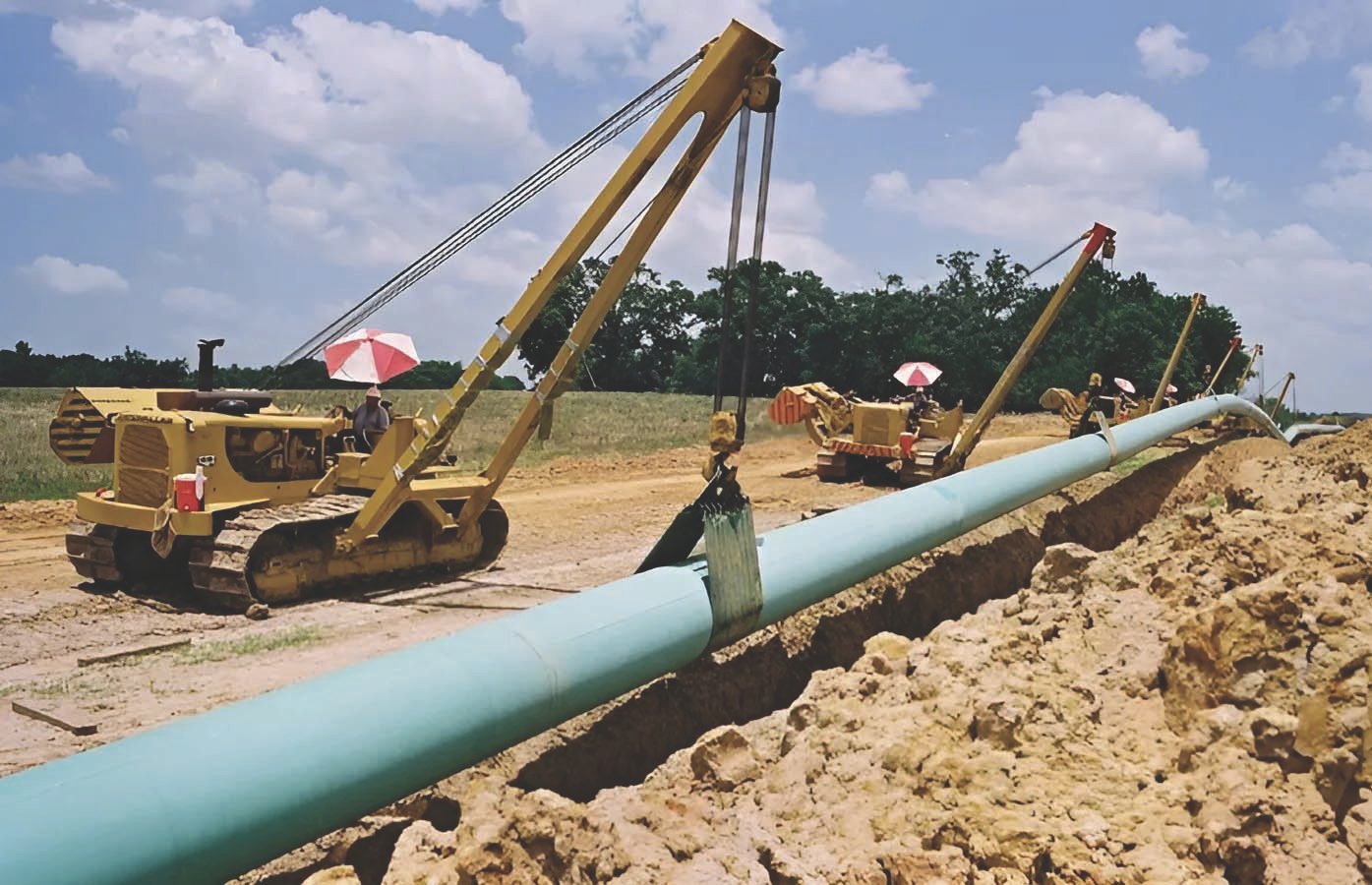
Gas Transmission Company Limited (GTCL) was created in the unbundling process of vertically integrated gas supply chain operation management for planning, executing projects, owning, and operating all high-pressure gas pipelines and ancillary facilities forming part of the national gas transmission grid. The objective of creating the midstream segment of the gas supply chain was to smoothly manage and control the evacuation of pipeline-quality gas from the upstream national gas-producing companies and international oil companies, safely operate the national gas transmission grid, and deliver gas to downstream gas distribution companies at designated custody transfer metering stations. Starting with the operation of North-South Pipeline and Condensate Pipeline (Koilashtila–Ashuganj) and construction of Ashuganj-Bakhrabad gas transmission pipeline in 1994, GTCL in 30 years has developed and expanded its gas transmission grid from Maheshkhali, Cox’sbazar in Southeastern Bangladesh to Sayedpur in the Northwest, Beanibazar in the Northeast to Khulna in the Southern Bangladesh. GTCL gas transmission network (pipelines including compressor stations) now has a capacity of more than 6,000 MMCFD. Billions of dollars have been spent by GTCL under specific instruction and approval of Petrobangla and EMRD with the assurance of getting an adequate supply of gas and LNG. But in 2024 total gas and LNG available for the gas grid is 3,000-3,100 MMCFD. GTCL has not been compensated with the required wheeling charge or transmission fees. Some expensive gas pipelines built on a priority basis under specific government instruction remain underutilized or even idle. But GTCL needs to bear the brunt of the huge investment. If the DPPs of each project are analyzed, one will find that the purpose and objectives of many of the pipelines and facilities were not achieved. With the less-than-minimum wheeling charge determined by BERC almost arbitrarily, GTCL is struggling to meet even its essential expenses. Many of the pipelines and some ancillary facilities have now become a pain in the neck for GTCL.
Poor Planning and Improper High-Level Instructions
The Gas Transmission Development Project implemented by GTCL with financial assistance from the Asian Development Bank fund was conceived after a detailed discussion in Petrobangla and EMRD with all stakeholders for expanding the gas transmission network from Hatikomrul, Sirajganj to Ishwardi - Bheramara - Jashore - Khulna. To assist in the smooth transmission of gas to the southern region from the Northern gas hub, three gas compressor stations were planned to be installed at Muchai, Rashidpur, Ashuganj, Brahmanbaria, and Elenga. Due to some issues, the compressor station project and gas pipeline construction were delayed. In the meantime, to create opportunities for the evacuation of additional gas from the Bibiyana gas field for the gas-hungry central region Bibiyana-Dhanua 42-inch diameter cross-country pipeline was contracted. Though a review of prospective gas production from the Northern region was not made, the necessity of the construction of three gas compressor stations simultaneously with the construction of the Bibiyana-Dhanua pipeline was not reviewed. Moreover, an upstream operator Chevron whose responsibility is delivering gas at Custody Transfer Metering stations at Gas Fields to GTCL was engaged in developing a compressor station at Muchai when GTCL was about to award the contract to its contractor. For the construction of the Bibiyana-Dhanua pipeline, the compressor station at Elenga was not required. Consequently, Elenga station since installation has never been used. Chevron continues to use the Muchai station for the depletion of the gas reserve of upstream gas fields. Compressor stations at Ashuganj remain out of operation most of the time.
Pipelines constructed to Rajshahi remain underutilized and pipelines to Kushtia, Jessore, and Khulna remain idle. Sundarban Gas Distribution Company Limited (SGDCL) virtually remains idle. Southern Bengal starves for pipeline gas supply. A few other pipelines like Ashuganj–Bakhrabad Loop line and Dhanua-Elenga have also been constructed without considering assured gas availability. Now both AB1 and AB2 pipelines remain dry. Despite of government being unable to supply gas to Southern Bengal, the gas transmission network has been extended from Bogura to Sayedpur via Rangpur. The GTCL has been made to spend through its nose without an assured return on investment. GTCL also constructed two pipelines from Moheshkhali to Anowara, large diameter pipelines from Anowara – Faujdarhat, and Faujdarhat - Feni - Bakhrabad to evacuate imported LNG from Moheshkhali. Now GTCL is constructing a 42-inch pipeline from Bakhrabad to Haripur, Narayanganj to create provision for additional gas to large power plants and industrial zones. The additional gas supply in the region is still uncertain. The main focus of GTCL in smartly managing its transmission system was compromised as most of its skilled manpower had been engaged in project development.
The huge investments have created telling financial impacts on GTCL. BERC did not consider the additional investment of GTCL while determining the wheeling charge.
What GTCL Needs?
GTCL executed all the projects (necessary and unnecessary) upon instruction and approval of its board of directors, Petrobangla, and EMRD. Each project has DPP and PP. In each project, the purpose and objective as well as gas availability, and IRR, have been approved. It is possible to work out GTCL's loss of business for the non-availability of gas supply. The government must consider how to compensate GTCL for situations that arise beyond the control of GTCL. It can be a rational increase of wheeling charge, the minimum charge for every pipeline built like capacity charge given to power plant developers.
GTCL battery limit is custody transfer metering stations at the upstream and custody transfer metering stations at each offtake station at GTCL - distribution companies. There is no scope for system loss in the GTCL system if gas metering stations operate smartly. The GTCL SCADA system can also monitor and overview every drop of gas entering and leaving the system. As such, the system loss of GTCL cannot be attributed irrationally. GTCL also needs to upgrade SCADA incorporating a leak detection facility. GTCL must also carry out regular onstream pigging of its transmission pipelines.
In the not-too-distant future GTCL will require constructing a gas transmission pipeline from Bhola to the national grid, a pipeline to Southern Bangladesh across the Padma River, third pipeline from Matarbari to the grid. All these pipelines should have provision for a minimum additional wheeling charge depending on the size of the investment.
One must keep in mind that the main objective of creating GTCL was the smooth operation and maintenance of gas transmission facilities. System expansion is a peripheral activity. Policymakers must not dictate or impose any project without considering what happens when the additional gas supply is not available. GTCL operation directorate must be strengthened with the required manpower. Regional Offices at Chittagong, Baghabari, and Khulna must be strengthened. So many senior officers are not necessary at head office. SCADA system must be refurbished for centralized monitoring and operation of the system. The ERP system must be fully operational. Organogram of GTCL must get final approval as soon as possible.
Download Special Article As PDF/userfiles/EP_21_22_Special Article.pdf