Saleque Sufi
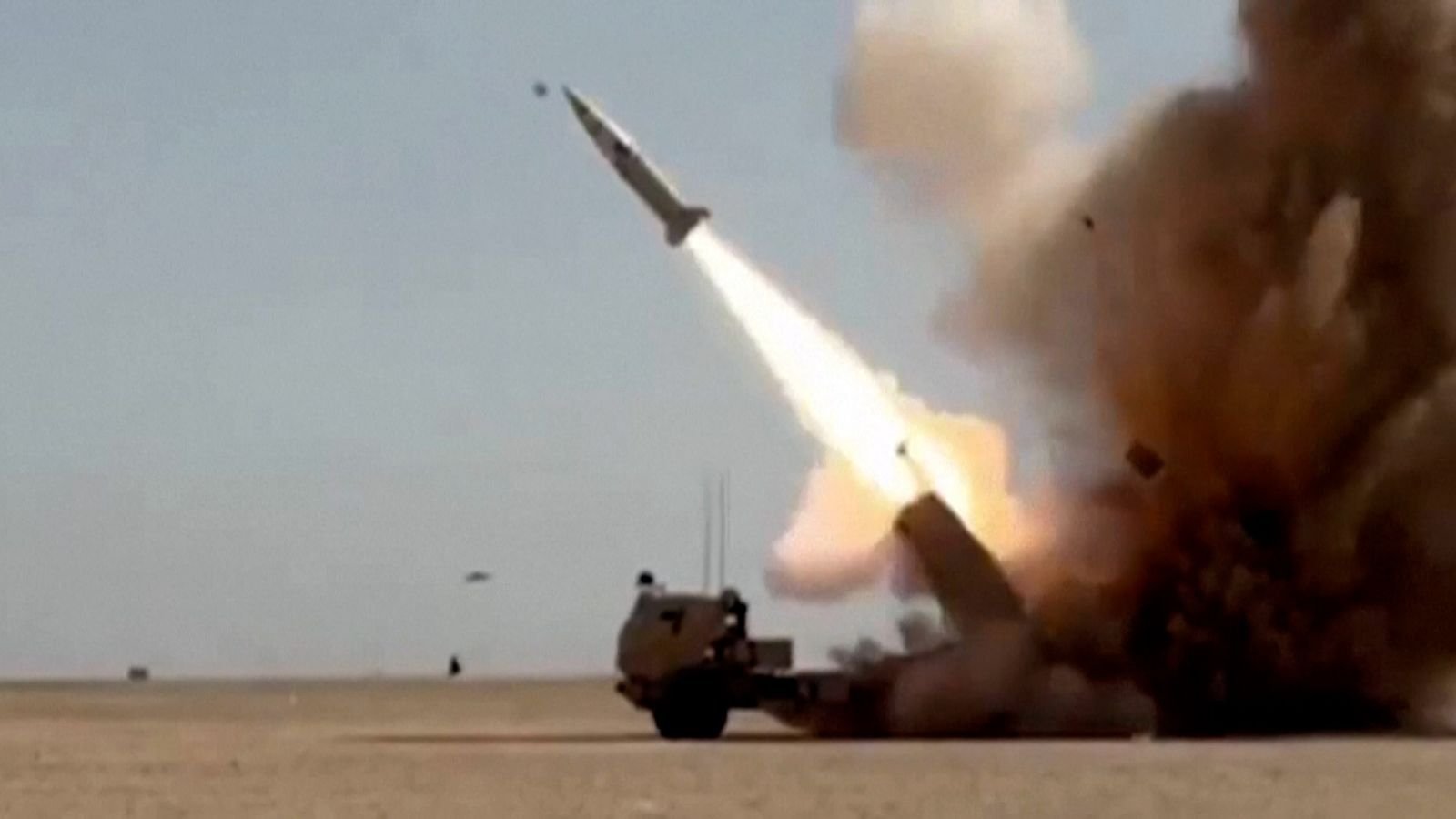
Global Fuel Market bracing for price surge following USA-Israel alliance engaging into lethal conflict with Iran. US -Israel air attacks on Iranian cities and military targets have already killed supreme leader of Iran Ayatullah Ali Khamenei and IRGC Commanders. In retaliation Iran has attacked US military bases in Qatar. Bahrain, Kuwait and Saudi Arabia. Iran has also reportedly choked off the Strait of Hormuz, a vital route for the world's oil supply. This region including Saudia Arabia, Iraq, Iran, UAE, Kuwait, Qatar, Bahrain and Oman, produces 27 percent of the world's crude oil.
The conflict has erupted around the Strait of Hormuz, a critical shipping route connecting the region's biggest oil producers to the world. The region, including Saudia Arabia, Iraq, Iran, UAE, Kuwait, Qatar, Bahrain and Oman, produces 27 percent of the world's crude oil. About three-quarters of that (about 20 percent of the world's total oil supply) passes through the Strait of Hormuz. A smaller proportion passes through the Red Sea and the narrow Bab-el-Mandeb Strait.
No country has exclusive control of the Strait of Hormuz. But Iran has a threatening military presence and could exercise sovereignty 12 nautical miles from its coastline, restricting shipping at the narrowest point. There has been no official announcement from Iran that it intends to close the Strait. A message from the UK Maritime Trade Operations agency informed about receipt of radio transmissions alerting them that the Strait of Hormuz is closed. The US Department of Transportation Maritime Administration also issued an alert: "It is recommended that vessels keep clear of this area if possible."
Iran exports some 1.6 million barrels of oil a day, most of it going to China, where privately owned refineries are less concerned about the U.S. sanctions that prevent Iran from selling its oil elsewhere. If that supply is disrupted, Chinese customers would look elsewhere for oil on the global market, potentially driving up prices.
As a consequence of the conflict in the critical region of oil supply it is only natural that oil price would surge. A leading Shane Oliver talking to BBC on 28 February 2026 opined that “Oil prices will spike sharply, possibly above $US100 a barrel, from $US67 on Friday for West Texas, given the disruption to oil supplies, including via the Strait of Hormuz,"
Strait of Hormuz, lets 20% of global oil supply pass through each day. Middle East exporters Saudi Arabia, Iraq and the United Arab Emirates send most of their exports through the strait. Iran could make the Strait of Hormuz unsafe for commercial traffic, which could spike oil prices above $100 per barrel according to reputed energy economists.
World experienced severe impacts of economic recession post COVID 19 when opening of world economy led to surge of oil price beyond US$ 100. This time the conflict has already widened across Gulf and Arab states. Air traffic in the region has grinded to halt.
Limited strikes on Iran’s nuclear program and the Revolutionary Guard that avoid regime change or all-out war was predicted to trigger prices jump $5-$10 based on fear alone. A wider war involving Iranian disruption of tanker traffic could see crude push past $90 per barrel.
We are not sure at this stage how long the conflict will last. World community has already reacted differently to unilateral actions of US-Israel alliance on the backdrop of Oman brokered negotiation between Iran and USA. It is a major violation of International Law. Iran has legitimate right to retaliate for protecting its territorial integrity. USA has vastly superior capability. It has strong military bases across Gulf and Arab states. US aggression has given legitimate right to Iran to carry out deadly missile and drone attacks of US military bases in gulf countries. But one must remember Iran has limited resources to let the conflict prolong. Its economy is in terrible state. For embargoes of Iranian oil export most of the Iranian oils go to China. For its own sake Iran also can not let State of Hormuz remaining closed for a long term. We are also not sure about US intention. It can not also let global economy suffer telling impacts. President Tramp will have to absorb pressure from US Congress and Senate as well.
But whatever be the case the conflict has already triggered impacts. Soaring oil price will have chain reaction on commodity price spiral. Shipping and transportation cost will increase. Least developed, developing and even developing economy will suffer. New Government of Bangladesh will also suffer as higher price of crude oil, LPG and LNG will challenge its import capability. Most of crude oil, petroleum products and LNG is transported to Bangladesh through Hormuz. It the higher price of oil sustains for a while it may encourage global oil giants giving a fresh look in the offshore potential of Petroleum Resources. Bangladesh must expedite exploration of own fuel resources and do everything possible to increase contribution of clean energy.
Hope world community through global initiative can persuade the conflicting countries to exercise restraints. Continuation of conflicts may lead to full-fledged global war. It will benefit none and will create huge humanitarian crisis.