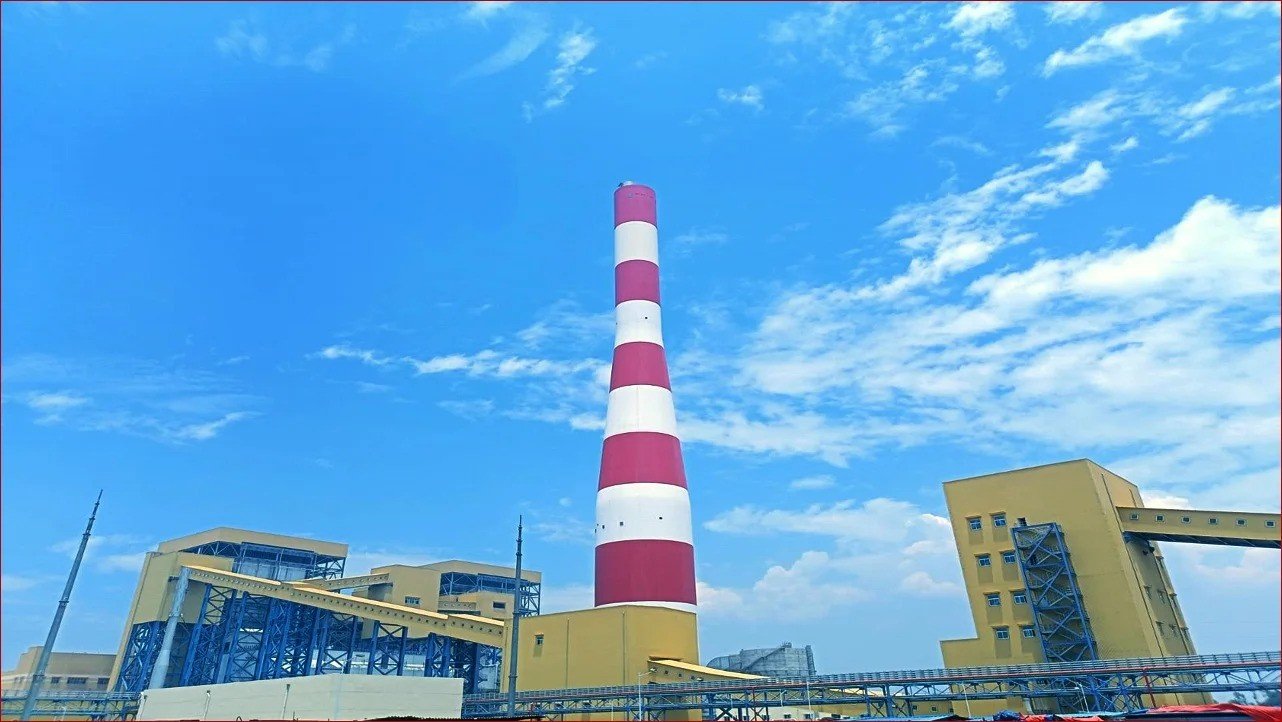
The 1,320 MW coal-fired power plant in Banshkhali is facing a potential shutdown as it has been unable to unload coal from an anchored vessel due to non-payment of outstanding bills. The situation has raised concerns over disruptions in electricity generation, particularly during the ongoing irrigation season when uninterrupted power supply is critical. SS Power Plant, Banshkhali is a join venture China and Bangladesh.
Coal Shipment Stalled Over Unpaid Bills
According to Ebadat Hossain Bhuiyan, Chief Financial Officer of SS Power I Limited, the company operating the plant, a coal-laden vessel has been anchored in outer anchorage waters for several days. The coal cannot be unloaded because a Letter of Credit (LC) has not been opened due to unpaid dues.
He stated that the delay is not only incurring substantial demurrage charges but also creating uncertainty about continuous power generation. Despite repeated communications and formal letters to the Bangladesh Power Development Board (BPDB), no resolution has been reached. BPDB reportedly informed the company that payments cannot be made until funds are released by the Ministry of Finance.
Limited Coal Reserve, Mounting Dues
The plant currently has sufficient coal reserves to continue generation for only about 10 more days. If coal unloading does not proceed, operations will have to be suspended.
Another coal shipment is already route to Bangladesh, and three additional vessels are expected to arrive in the first week of March. Without bill payments, opening new LCs will not be possible.
The total outstanding dues have exceeded Tk 4,417 crore.
To ensure uninterrupted generation, the company has recently requested at least US$150 million in payments. In its latest letter to BPDB, it urged settlement of bills by February 28 and reminded the board of seven previous letters seeking payment.
Contractual Provisions and Legal Implications
The letter also referred to Clause 13.2(j) of the Power Purchase Agreement (PPA), which states that if unpaid dues exceed US$1 million (approximately Tk 12.2 crore at an exchange rate of Tk 122 per dollar), BPDB’s right to receive electricity from the plant may be suspended. In such a case, the company would be relieved of its obligation to supply electricity. However, capacity payments would remain payable even during any shutdown period.
One of the Country’s Lowest-Cost Power Plants
Located in Gondamara, Banshkhali in Chattogram, along the coast of the Bay of Bengal, the plant is widely regarded as one of the most cost-efficient coal-fired power stations in Bangladesh. In BPDB’s least-cost generation list, Banshkhali frequently ranks at the top.
• Fuel cost per unit (coal-based): Approximately Tk 7
• Fuel cost per unit (furnace oil-based): Approximately Tk 18–20
With a generation capacity of 1,320 MW, the plant can produce around 950 million units (kWh) of electricity per month when operating at full capacity.
Implications for National Power Supply
If the Banshkhali plant is forced to shut down, it could significantly impact the country’s power supply, especially during the irrigation season when electricity demand rises sharply in rural areas.
Given its low generation cost and substantial capacity, the continued operation of the plant is considered crucial for maintaining grid stability and keeping overall power generation costs manageable.