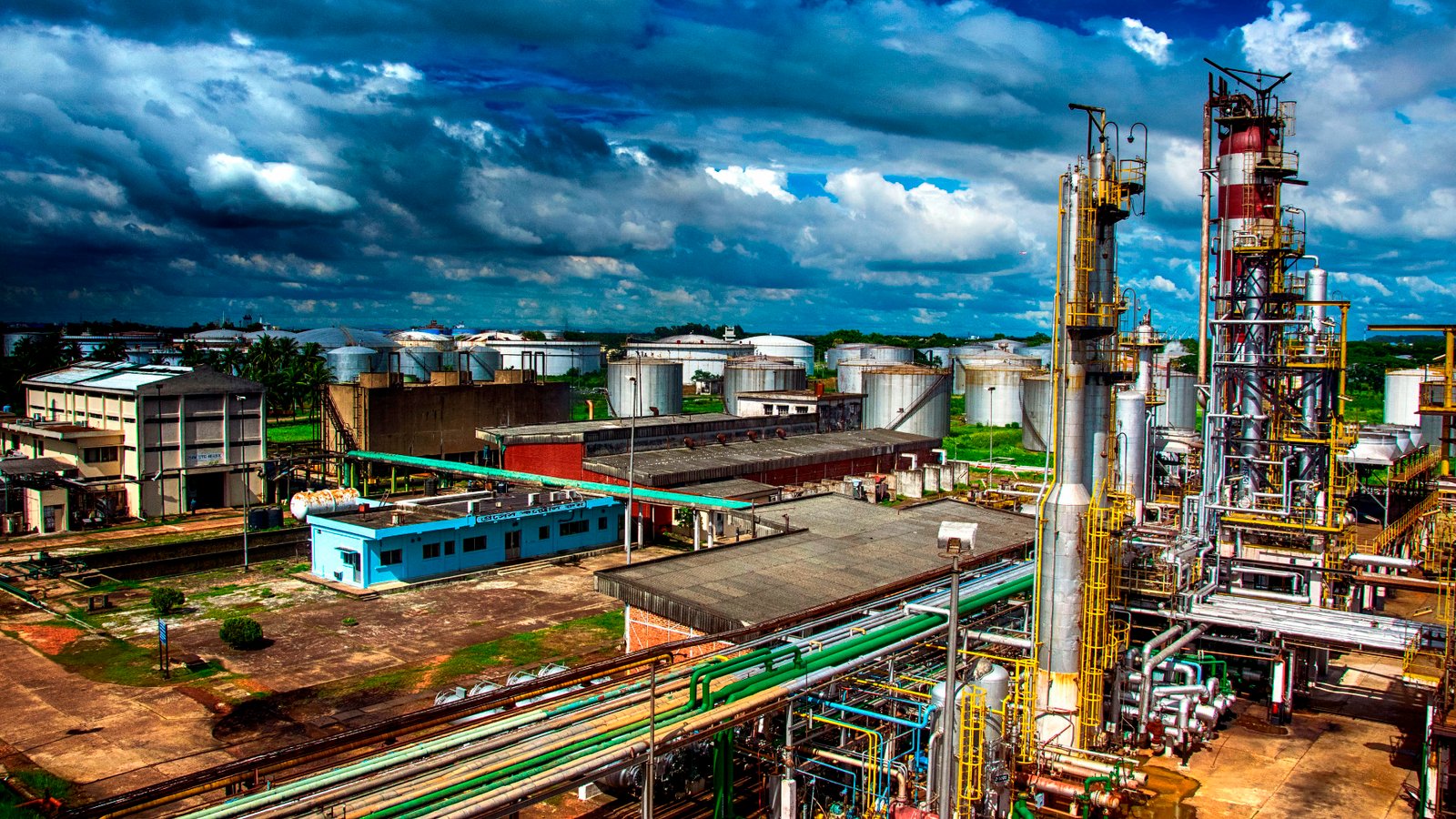
Financing for the Eastern Refinery–2 (ERL-2) project has been formally finalized following approval by the Executive Committee of the National Economic Council (ECNEC), marking a major milestone in Bangladesh’s energy infrastructure development.
Energy and Mineral Resources Division Secretary Muhammad Saiful Islam confirmed that the project has received both ECNEC clearance and full financial closure. A Project Director is expected to be appointed shortly to initiate implementation activities.
Project Background and Cost Evolution
The ERL-2 initiative was first discussed in 2008. Over the past 17 years, the project has undergone multiple revisions, with both timeline and cost increasing significantly.
• Initial Development Project Proposal (DPP): Tk 13,000 crore
• Revised DPP (2023):
• Tk 7,100 crore from Bangladesh Petroleum Corporation (BPC)
• Tk 16,635 crore from the Government
• Target completion: June 2027
• Restructured proposal (August 11, 2023) titled “Modernization and Expansion of Eastern Refinery Limited (ERL)”: Tk 43,888 crore
• Final approved cost: Approximately Tk 31,000 crore (around $2.5 billion)
• Revised completion timeline: November 2030
After two additional revisions and cost rationalization, ECNEC granted final approval on February 10, clearing the way for execution.
Financing Structure
The total estimated project cost stands at approximately $2.5 billion, structured as follows:
• $1.0 billion – Islamic Development Bank (IDB)
• $0.7 billion – Government of Bangladesh
• $0.8 billion – Bangladesh Petroleum Corporation (BPC)
This blended financing arrangement ensures both external support and domestic ownership of the project.
Strategic Importance for Energy Security
Bangladesh currently consumes approximately 6.8 million metric tonnes of fuel oil annually. However, the country’s only state-owned refinery, Eastern Refinery Limited, produces only about 1.545 million metric tonnes per year.
As a result, BPC must import around 5.2 million metric tonnes of refined petroleum products annually.
The new ERL-2 unit is designed to add 3 million metric tonnes per year of refining capacity. By increasing domestic crude oil refining instead of importing finished products, Bangladesh is expected to save at least Tk 5–6 per litre on diesel, making the project both strategically vital and economically attractive.
Legacy of Eastern Refinery
Eastern Refinery Limited began operations in 1968. The original refinery unit was built by the French firm Technip and was designed with a 30-year economic lifespan. Despite exceeding its intended service life, the plant continues to operate at full capacity and even achieved a national production record in 2021.
Given that the existing refinery has consistently operated above its 1.5 million tonne design capacity, authorities opted to construct ERL-2 following a similar configuration model to maximize efficiency and reliability.
Controversies and Cost Escalation
Around 2020, several countries expressed interest in implementing the project at an estimated cost of Tk 11,000–12,000 crore. Subsequent proposals, however, reflected significant cost escalation—at one stage rising to Tk 23,000 crore—raising public and policy-level concerns.
Questions were also raised regarding allocations within earlier DPP versions, including Tk 86.55 million earmarked for foreign travel.
After multiple reviews and restructuring, the final ECNEC-approved framework reflects cost adjustments aimed at ensuring financial viability and transparency.
Outlook
With financing now secured and implementation authority established, ERL-2 is poised to become one of Bangladesh’s most significant energy infrastructure projects. By expanding refining capacity, reducing import dependence, and enhancing fuel security, the project is expected to play a pivotal role in strengthening the country’s long-term energy resilience and economic stability.