VOLUME 24 ISSUE 01
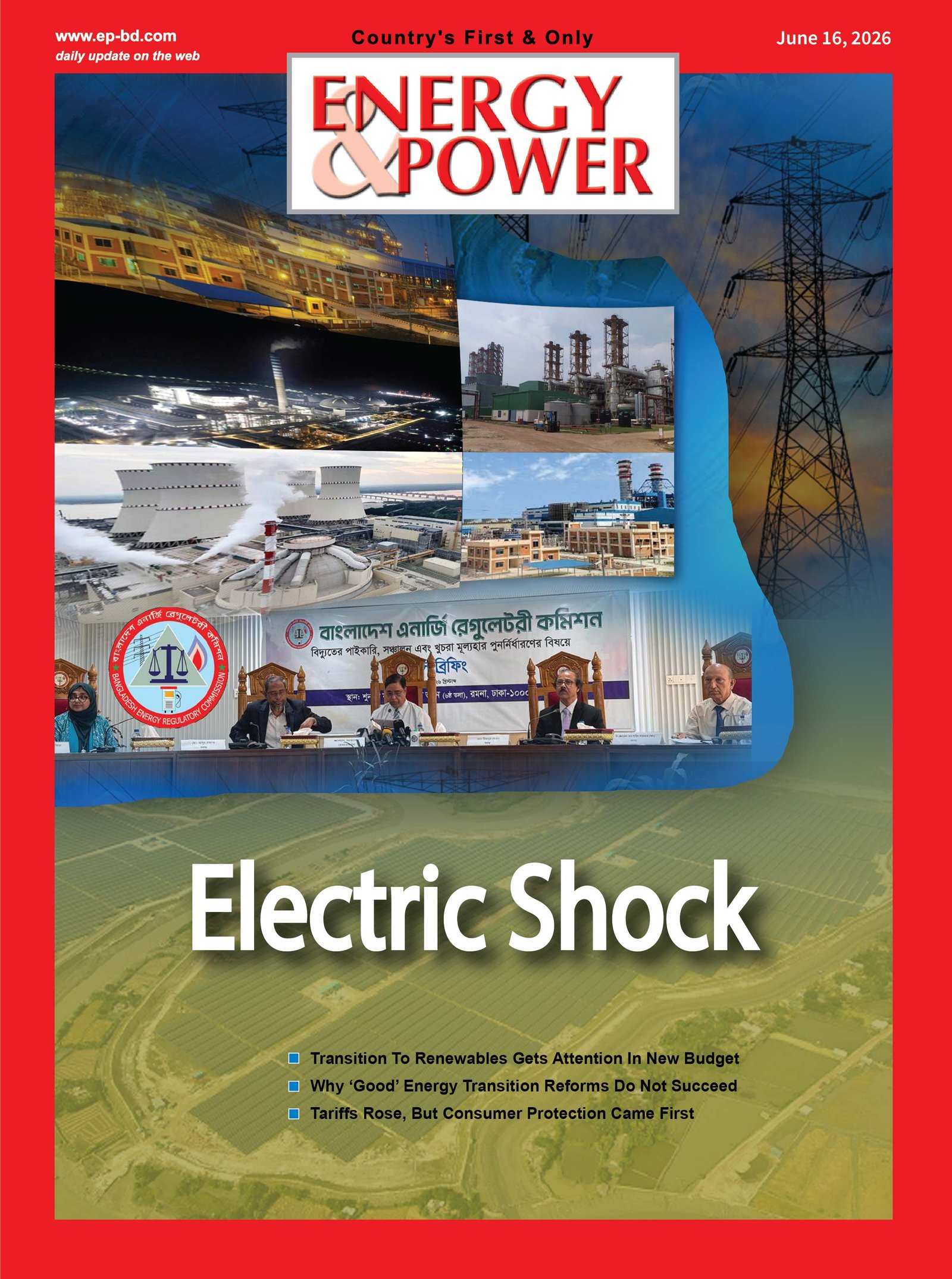
Download Link for Energy & Power Vol 24 Issue 01/userfiles/EP_24_01.pdf
Bangladesh’s latest electricity tariff increase is more than a routine adjustment of utility prices. It is a stark reminder of how vulnerable the country’s energy sector has become to global markets, policy missteps, and years of inadequate planning. The official justification for the tariff hike is straightforward: electricity generation costs have risen sharply, driven by higher fuel prices, a weaker taka, and growing subsidy requirements. Yet the deeper question remains unanswered. Why should consumers bear the consequences of decisions over which they had no control? For more than a decade, Bangladesh expanded its power generation capacity at an unprecedented pace. While this helped eliminate widespread load-shedding, it also created a system with significant excess capacity and substantial fixed payments to power producers. Insufficient investment in domestic energy resources increased reliance on imported energy, exposing the sector to global price shocks and exchange-rate volatility. Costs rise, deficits widen, subsidies increase, and tariffs are eventually raised. Consumers and industries are then asked to absorb the burden. However, price increases alone cannot solve structural weaknesses. Without reducing inefficiencies, improving governance, and strengthening domestic energy security, higher tariffs will simply postpone the next crisis.
Bangladesh needs a long-term strategy that prioritizes exploration of domestic gas resources, prudent generation planning, greater transparency, and accountability across the energy sector. Consumers should contribute to a sustainable power system, but they should not be expected to pay indefinitely for avoidable mistakes. The real challenge is not merely generating electricity. It is generating it efficiently, affordably, and responsibly.
For E-Book: https://tinyurl.com/June16Y26