VOLUME 24 ISSUE 05
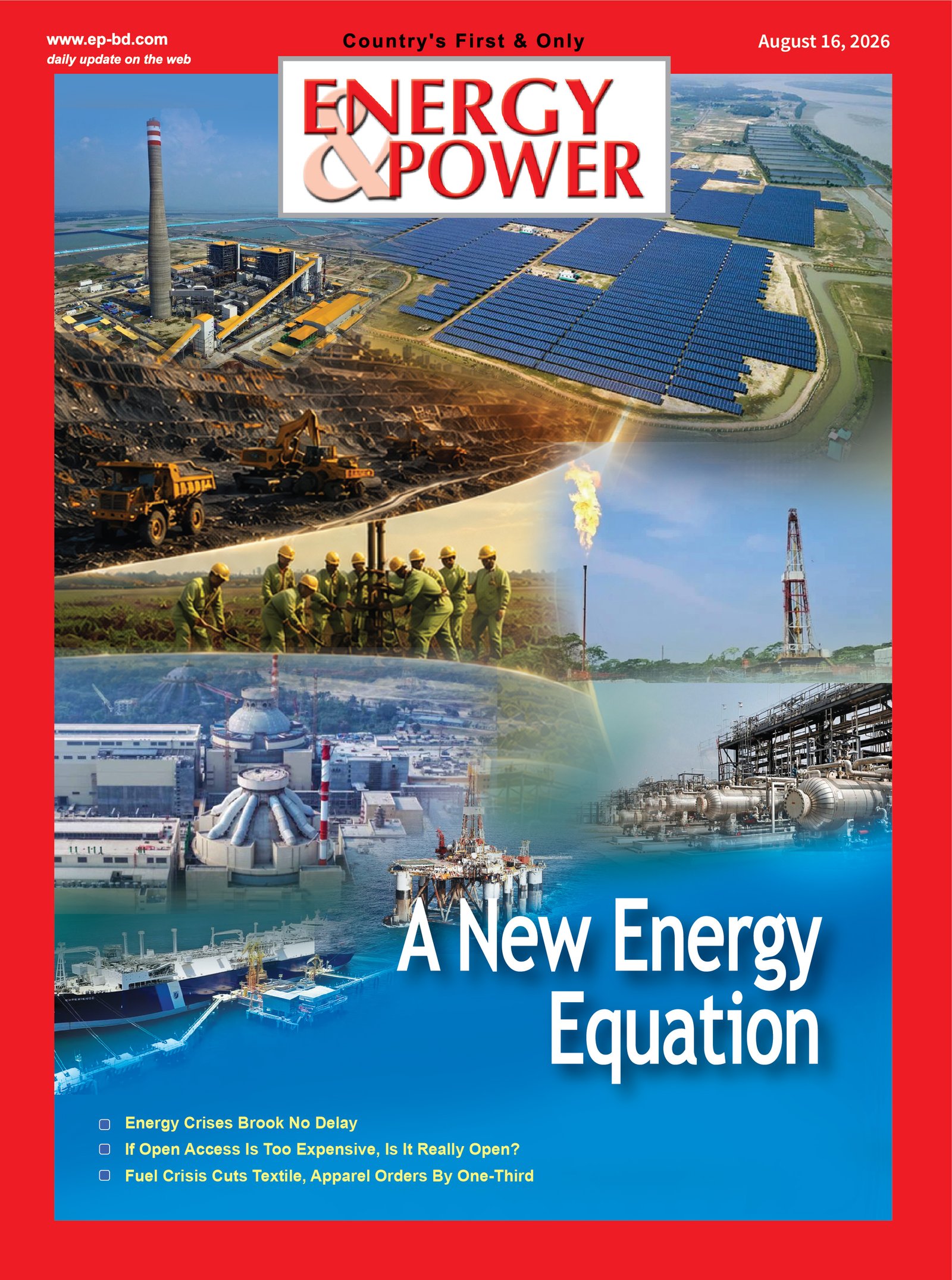
Download Link for Energy & Power Vol 24 Issue 05//userfiles/EP_24_05.pdf
Bangladesh’s energy crisis has made one fact unmistakably clear: energy security cannot be built on imports alone. Recent disruptions to LNG supplies exposed how quickly a problem at a single terminal can ripple through power generation, industry, transport and households. The government’s proposed 10-year energy security plan is therefore timely. Its reported focus on domestic gas exploration, LNG infrastructure, renewable energy, energy efficiency and greater use of domestic resources reflects the breadth of the challenge. The plan is expected to be placed before the upcoming session of Parliament. But the country has no shortage of plans. The real deficit has been implementation. The new strategy must begin with a realistic assessment of what each energy source can deliver, at what cost and within what timeframe. Domestic gas exploration deserves urgent priority because declining production is already undermining industries and power generation. LNG will remain necessary, but excessive investment in import infrastructure could deepen the country’s exposure to volatile global markets. Recent analysis has similarly warned that expanding LNG dependence could create long-term energy-security and financial risks. Renewables must be accelerated, but targets alone will not produce megawatts. Grid constraints, financing, land, storage and institutional capacity must be addressed simultaneously. The strategy should be guided by national interest rather than by technology preferences or short-term commercial pressures.
The proposed plan should therefore be treated as a binding national energy roadmap—with clear priorities, deadlines, accountability and measurable outcomes. Bangladesh cannot afford another decade of policy without delivery.
For E-Book: https://enp.tiny.us/Aug16Y26