VOLUME 23 ISSUE 22
Download Link for Energy & Power Vol 23 Issue 22//userfiles/ENP_23_22.pdf
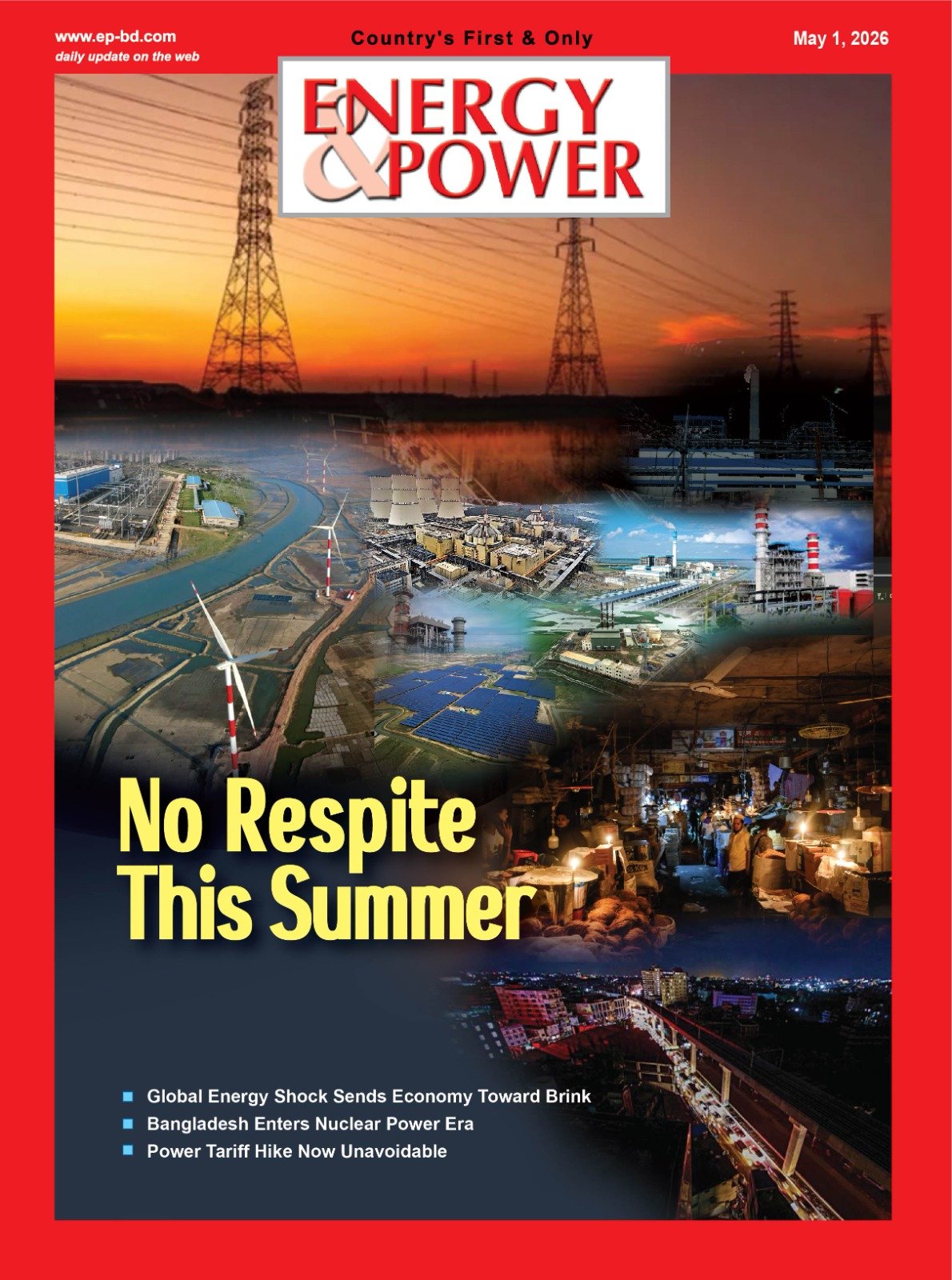
The return of load-shedding has once again exposed the deep structural weaknesses of Bangladesh’s power and energy sector. As temperatures rise and heatwaves intensify, millions of people are facing the familiar hardship of power outages, disrupted businesses, sleepless nights, and falling industrial productivity. This is happening despite the country having more than enough installed generation capacity on paper. The real problem is the inability to secure fuel and manage the system efficiently. Years of policy mistakes – building power plants without ensuring fuel supply, overdependence on imported energy, delayed tariff adjustments, and neglect of domestic gas and coal exploration – have created the crisis. Massive arrears to power producers, coal suppliers, and LNG importers have further weakened the system, leaving plants idle. Rural areas are paying the highest price, often facing outages of up to 16 hours, while industries and agriculture suffer serious production losses. This imbalance not only creates economic damage but also deepens social frustration. There is no quick fix. The government must immediately prioritize clearing dues, ensuring coal imports, maintaining electricity imports, and keeping fuel-based plants operational. Planned and fair load-shedding must replace unequal burden-sharing. At the same time, long-term reforms are essential—faster renewable energy expansion, LNG import capacity growth, stronger transmission systems, and a realistic tariff policy that reduces waste.
Summer will last until September, but the crisis could last much longer if decisions continue to be delayed. Without bold and practical action now, power shortages may become a permanent feature of Bangladesh’s economic life.
For E-Book: https://enp.tiny.us/May1Y26