VOLUME 23 ISSUE 21
Download Link for Energy & Power Vol 23 Issue 21/userfiles/EP_23_21.pdf
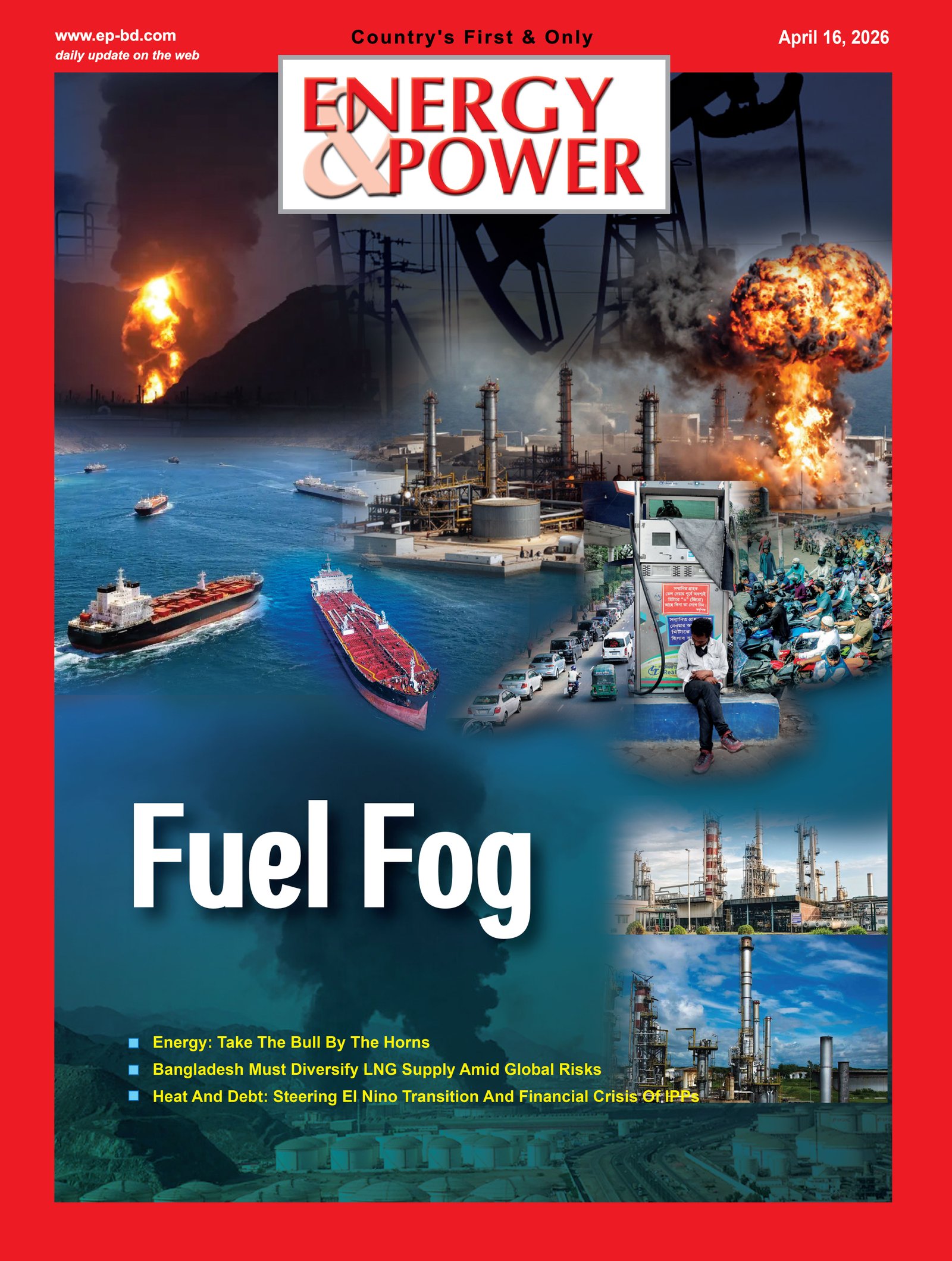
Bangladesh’s unfolding fuel crisis is less about absolute scarcity and more about credibility, coordination, and policy inertia. The government insists there is sufficient fuel in the system, yet daily scenes of long queues and frustrated consumers tell a different story. This disconnect is eroding public trust – arguably the most critical resource in times of crisis. At the heart of the problem lies a fragile supply chain struggling to cope with external shocks and internal inefficiencies. Panic buying has undoubtedly worsened the situation, but it is also a symptom of uncertainty. When people lack confidence in a steady supply, hoarding becomes a rational response rather than irrational behavior. Equally concerning is the reluctance to adjust domestic fuel prices in line with global markets. While politically sensitive, delaying price adjustments has created distortions – encouraging excess demand, increasing subsidy burdens, and complicating supply management. Other regional economies have moved more decisively, stabilizing their markets even at the cost of short-term public discomfort. Policy responses so far – fuel passes, mobile courts, and enforcement drives – address symptoms rather than root causes. What is needed instead is a coordinated, transparent strategy that aligns pricing, supply, and communication. Expanding infrastructure, improving monitoring, and ensuring consistent supply to pumps are equally essential.
Ultimately, this is a test of governance under pressure. Restoring order will require not just more fuel, but smarter policy, clearer communication, and genuine engagement with stakeholders. Without that, the queues may shorten temporarily, but the underlying crisis will persist.
For E-Book: https://enp.tiny.us/April16Y26