VOLUME 23 ISSUE 20
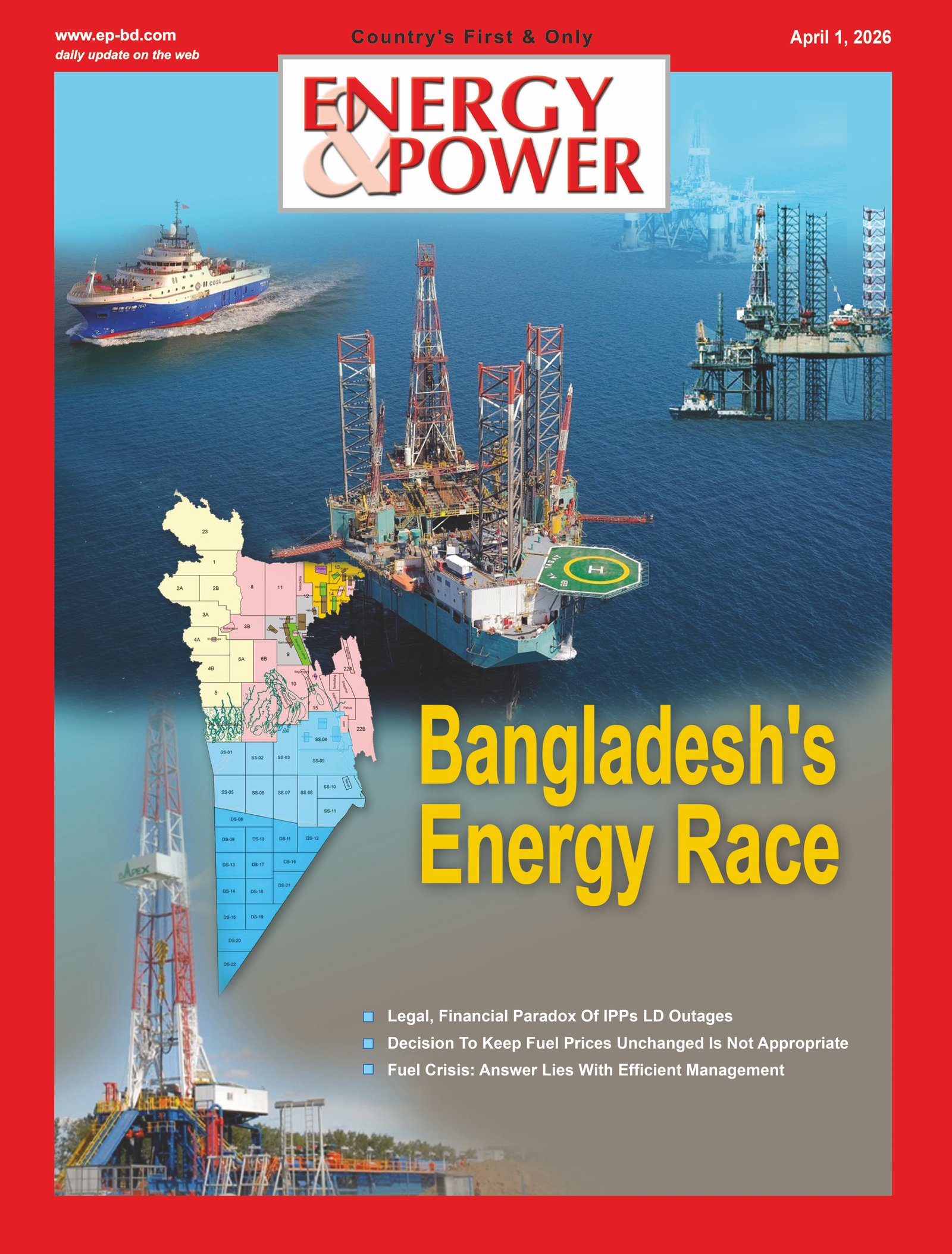
Download Link for Energy & Power Vol 23 Issue 20/userfiles/EP_23_20.pdf
Bangladesh stands at a critical crossroads in its energy journey. The ongoing global crisis has not created new vulnerabilities—it has simply exposed long-standing weaknesses that have been ignored for too long. Heavy dependence on imported fuel, slow progress in domestic exploration, and bureaucratic delays have left the country dangerously exposed to external shocks. The government’s renewed focus on attracting foreign investment in oil and gas exploration is a step in the right direction. Updating Production Sharing Contracts and prioritizing bidding rounds signal intent. But intent alone is not enough. The real test lies in execution—something Bangladesh has historically struggled with in the energy sector. One of the most pressing concerns is time. Traditional bidding processes that take two years or more are no longer viable in a fast-changing global energy market. By the time contracts are signed, economic conditions often shift, making projects less attractive or even unfeasible. Faster, more flexible approaches—such as negotiated deals or streamlined international bidding—must be seriously considered. Equally important is the need to rethink policy rigidity. Keeping promising exploration blocks reserved while seeking foreign investment sends mixed signals to investors. A more pragmatic approach—allowing joint ventures with national entities like BAPEX—could unlock both capital and technical expertise.
Ultimately, Bangladesh must recognize that energy security is not just an economic issue—it is a national priority. Without decisive action to boost domestic exploration and reduce import dependence, the country risks deeper economic instability in the years ahead.
For E-Book: https://enp.tiny.us/April1Y26