VOLUME 23 ISSUE 18
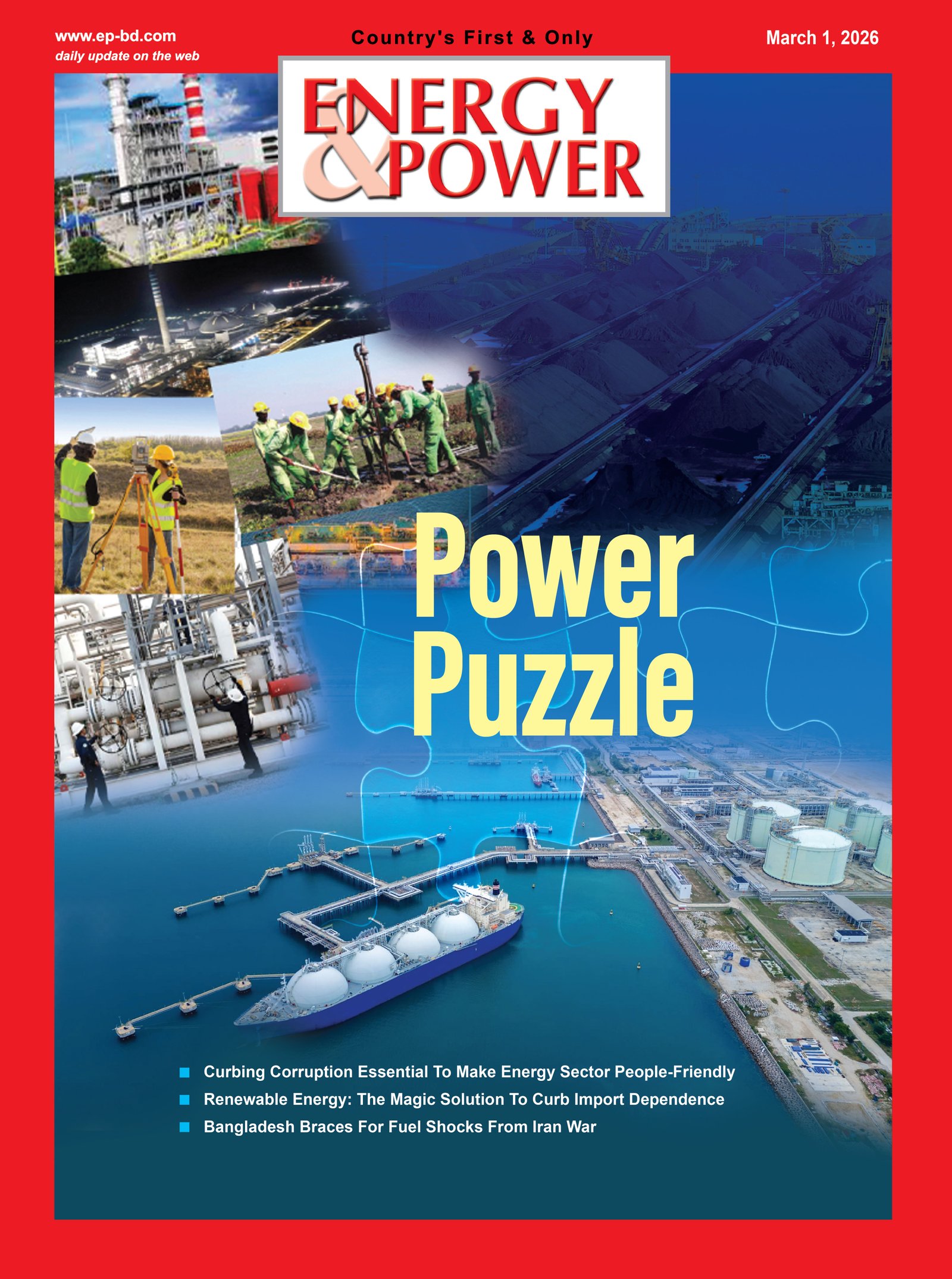
Download Link for Energy & Power Vol 23 Issue 18/userfiles/EP_23_18.pdf
Bangladesh’s power and energy sector stands at a critical crossroads. Over the past two decades, the country has built an impressive electricity infrastructure, achieving near-universal grid access and dramatically increasing generation capacity. Yet the underlying foundation has become increasingly fragile. A parallel expansion did not match the rapid expansion of power plants in fuel supply, particularly domestic resources. As a result, the sector now faces a structural imbalance that threatens both financial stability and energy security. One of the most pressing challenges is the growing dependence on imported fuel. Within just a few years, energy import dependence has risen from around 14 percent to more than 56 percent. This shift has made the sector highly vulnerable to global price fluctuations and foreign exchange pressures. At the same time, domestic gas production has declined steadily due to inadequate exploration. Financial sustainability is another major concern. The gap between electricity production costs and selling prices has forced the government to provide massive subsidies. Without restoring financial discipline, the sector’s long-term viability will remain uncertain.
The new government, therefore, faces an urgent task. Its 180-day action plan must focus on strengthening governance, accelerating domestic gas exploration, expanding LNG import infrastructure, and reviving investor confidence. Equally important is the rapid expansion of renewable energy and improvements in energy efficiency. Bangladesh has the opportunity to place its energy sector on a sustainable path. Achieving this, however, will require political commitment, transparency, and a balanced strategy that prioritizes both energy security and economic stability.
For E-Book: https://enp.tiny.us/March1Y26