VOLUME 23 ISSUE 11
Download Link for Energy & Power Vol 23 Issue 11//userfiles/EP_23_11.pdf
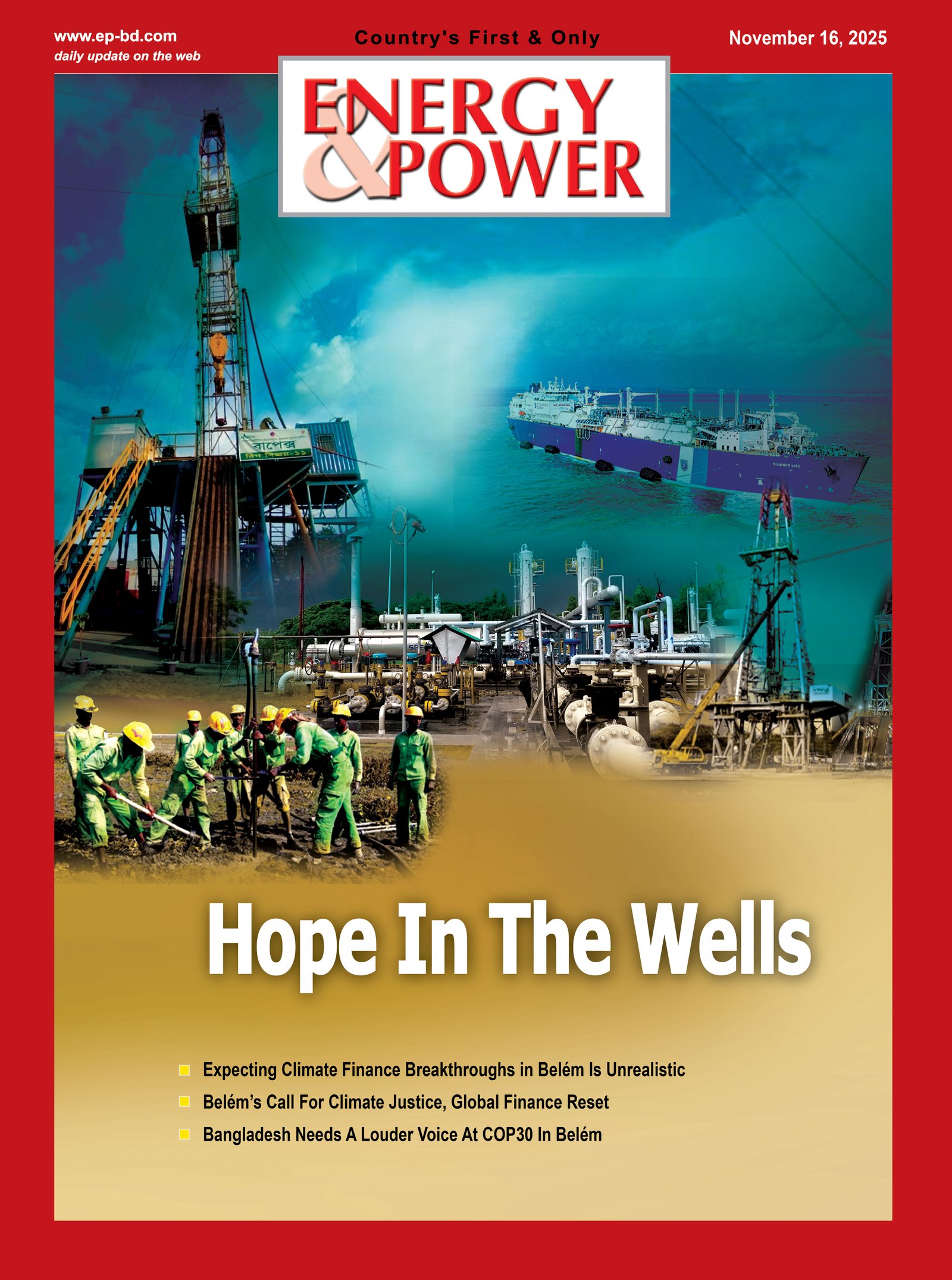
Bangladesh’s gas sector has spent years trapped in decline amid shrinking production, persistent shortages, and plans that never quite materialized. So the cautious optimism emerging today feels unusual, even slightly fragile. For the first time in a long while, there are signs that the country may be inching toward a more stable future. But that hope depends on whether long-delayed decisions finally turn into action. The reality remains tough. Daily demand stands at roughly 4,200 MMCFD, yet the country falls short by about 1,500 MMCFD. Experts believe the deficit could stop widening, and even begin to narrow by the early 2030s, if waste is reduced, efficiency enforced, and demand kept under control. But that will only happen if the government delivers on critical tasks: completing the 150-well drilling program, fast-tracking the pipeline to bring Bhola’s gas to the national grid, and expanding LNG import capacity. Petrobangla points to progress. Nine rigs are now operating with the number set to rise to 11 soon. Officials say this new capacity can finally push drilling at the pace long promised. Yet scepticism persists. Previous plans were bold too, but often stalled mid-way, undermining confidence in the system.
Even if drilling succeeds, gas will remain stranded unless pipelines, import terminals, and transmission networks advance in step. If the next government can coordinate these pieces and avoid past delays, Bangladesh may finally reverse its long slide and move toward a more secure energy future. If not, another decade of shortages looms.
For E-Book: https://enp.tiny.us/Nov16Y25