The gap between GHG emission plans, their implementation and actual needs remains enormous. Even if Global South countries adopt and implement ambitious greenhouse gas reduction plans, these efforts alone will not deliver a major global breakthrough. Historically high-emitting countries must take far more ambitious action, but they appear reluctant. As a result, limiting global temperature rise to 1.5°C by the end of this century will be extremely difficult.
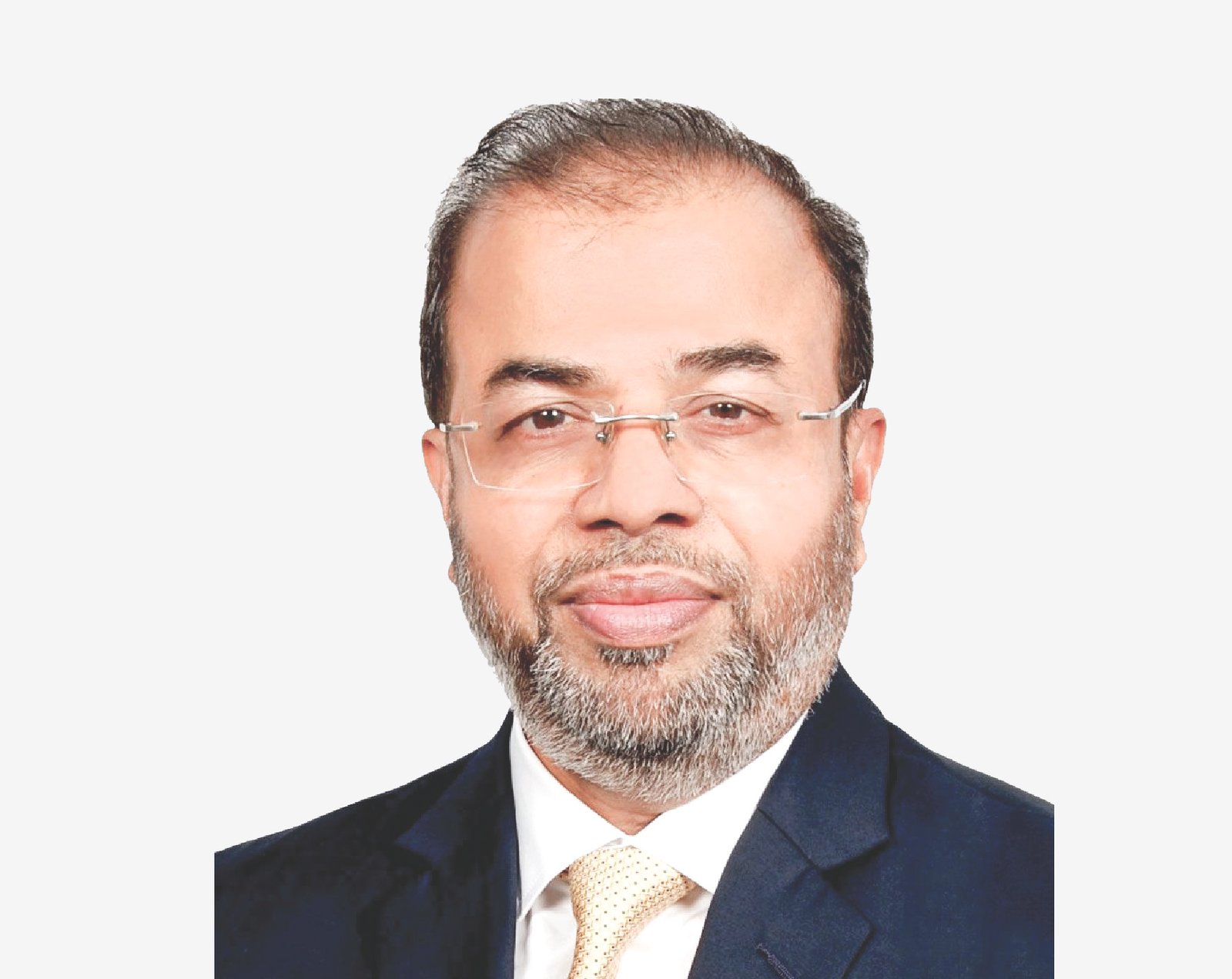
State Minister for Environment, Forest and Climate Change Shaikh Faridul Islam MP made these remarks in an interview with Mollah Amzad Hossain, Editor of Energy & Power, ahead of the UN Climate Conference, COP31, to be held in Antalya, Türkiye.
Developed countries, particularly the Global North, are increasingly calling for private investment to address climate impacts. Such investment may be available for mitigation, but financing for adaptation and loss and damage remains a major challenge for the Global South. How will Bangladesh pursue climate finance at the international level?
The Global South is seeking public-sector financing, preferably in the form of grants, to address climate impacts. The position of the Global North is quite different. We argue that those responsible for pollution must acknowledge their responsibility and provide compensation for the damage caused.
We will continue working collectively in negotiations to strengthen this position. One of the biggest challenges, however, is the United States. Although it is among the world’s largest historical emitters, it has shown little interest in supporting countries affected by climate change. It has also withdrawn from the COP process.
Nevertheless, many other countries remain interested in investing in climate action. Bangladesh, along with other affected countries, will present evidence of the damage caused by climate change and explain how different sectors are being affected.
The new government has also prepared for this process in consultation with stakeholders. Bangladesh has developed a position paper with the participation of experts, civil society representatives and academics. This will provide the foundation for our negotiations at COP31.
Ultimately, our expectations must be translated into outcomes through negotiations. We will therefore focus on making a strong case for climate finance, particularly grant-based support, from countries with high emissions.
The UN climate conference begins with a Leaders’ Summit. Will Prime Minister Tarique Rahman participate? What commitments will Bangladesh present to the international community on climate action?
The international community wants to know what each country is doing to reduce climate risks and address climate-related damage. The new government has placed the highest priority on nature-based solutions.
Bangladesh has already planted 35.5 million trees, and we plan to plant another 20 million by December. These initiatives can make a significant contribution to reducing climate risks. The government’s canal-digging program and efforts to expand renewable energy will also help address environmental challenges.
Alongside these initiatives, the Prime Minister will present Bangladesh’s greenhouse gas reduction efforts to the international community. He will explain what Bangladesh is doing in line with its own responsibilities and seek support from developed countries.
In particular, Bangladesh will call on major polluters to provide investment support to vulnerable countries for climate adaptation and resilience. We will emphasize that such assistance should be grant-based rather than adding to the debt burden of climate-vulnerable countries.
The recently published Emissions Gap Report warns that, under current trends, global temperature rise could reach 2.7°C by the end of this century. It says emissions must be reduced by 18 percent by 2030, 45 percent by 2035 and 69 percent by 2040 to keep the 1.5°C goal within reach. Renewable energy capacity must also triple by 2035, while coal use falls by 75 percent, oil by 15 percent and gas by 5 percent. Are these targets achievable?
Based on the investment plans and actions currently being pursued by countries, particularly historically high-emitting countries and emerging economies, keeping global temperature rise within 1.5°C by the end of this century will not be easy.
Countries like Bangladesh may adopt ambitious plans to reduce emissions, but those efforts alone cannot deliver the required global outcome. Historically high-emitting countries, as well as newer major emitters, must adopt and implement much more ambitious greenhouse gas reduction plans.
However, the United States and other OECD countries do not appear sufficiently interested in taking such action. The Global South will therefore need to develop new strategies to increase pressure on them.
Young people around the world are already calling for greater investment to address climate impacts. We need to encourage young people, particularly those in major emitting countries, to put pressure on their own political leaders to adopt policies that support climate investment and emissions reduction.
The challenge is not simply to set targets. It is to ensure that countries implement them at the scale and speed required.
Bangladesh has adopted its NDC 3.0, which envisages US$116 billion in investment to reduce emissions by 2035, including US$90 billion from international sources. What strategy has Bangladesh adopted to mobilize this finance? Will you pursue bilateral discussions in Antalya alongside the formal COP negotiations?
We have already consulted stakeholders and organizations working on climate issues in Bangladesh. They have provided recommendations on strategies for accessing climate finance, and we will use those suggestions to pursue international investment for implementing our NDC.
Alongside the formal negotiations at COP31, Bangladesh will present its projects and programs to multilateral development banks, international financial institutions and other development partners. We want to continue discussions with them so that these proposals can lead to financing.
Ultimately, the decision to provide funding rests with the partners. Our responsibility is to present our needs and programs clearly and logically. I believe they will recognize the importance of our proposals and come forward with support.
The Global North appears to be prioritizing military expenditure over investment in climate action. Is the Global South working collectively to persuade them to redirect resources? What role do you expect international civil society organizations to play?
We need to look at these issues realistically. I recently visited China, where I saw industries operating in environmentally responsible ways. We must accurately demonstrate the progress we have made in reducing pollution and explain what further action is possible.
At the same time, developed countries are increasing military expenditure. However, their own citizens are not necessarily accepting this approach, and public concerns are increasingly reflected in national elections.
The Global South should take initiatives to help young people and civil society organizations in developed countries exert more effective pressure on their governments. People in those countries are showing growing interest in nature-based solutions, green development and environmentally friendly products.
These public preferences can gradually influence political leaders and encourage them to prioritize investment in climate action over military spending. Stronger cooperation between governments, civil society and young people will be important in building that pressure.
What is the government doing to generate carbon credits from emissions-reduction projects and other initiatives?
Carbon credit initiatives have previously been pursued in a fragmented manner. This time, the government has begun working systematically to identify which projects can generate carbon credits and how those credits can be obtained.
We are examining the carbon benefits of the tree-planting program currently underway. We are also expanding solar energy and assessing how these initiatives can generate carbon benefits.
The objective is to develop a more coordinated approach so that Bangladesh can identify and make effective use of the opportunities available through carbon markets.
Countries organize various activities at climate conferences to present their national priorities. What issues will Bangladesh highlight in Antalya?
We will highlight the government’s work on nature-based solutions to address climate impacts. More broadly, Bangladesh will present the actions it is taking in keeping with its commitment to protecting the planet.
We want the international community to understand that Bangladesh is taking action despite its limited contribution to global emissions and its high vulnerability to climate impacts. We will also emphasize the need for international cooperation and support to help vulnerable countries strengthen their resilience.
Has Bangladesh planned meetings with international development partners on the sidelines of COP31?
The Prime Minister will hold bilateral meetings with the heads of the United Nations and other international organizations. During these discussions, Bangladesh will present its programs on alternative energy development and ongoing adaptation initiatives, and seek support for their implementation.
We will use these engagements to explain our priorities and explore opportunities for cooperation. Our objective is to secure the support needed to advance climate resilience, clean energy and sustainable development in Bangladesh.
Download Interview as PDF/userfiles/EP_24_10_Interview.pdf