As the world continues its journey towards net zero, the energy mix has come to the forefront of the conversation. While it is widely accepted that renewable energy will play a key role in decarbonization, there is a growing consensus that natural gas will remain essential in this transition. Increasingly, the industry recognizes that gas is not just a bridge to a lower-carbon future, but a destination fuel that provides a stable foundation for energy systems, particularly in regions striving to balance economic growth with climate goals.
By 2035, PETRONAS is reimagining gas as the destination fuel, backed by market-leading production capacity and an unmatched 40-year track record: over 16,000 LNG cargoes delivered always on-time to 25+ countries globally. The company’s transformation into a progressive lower-carbon solutions provider means every business decision serves one vision: delivering reliable, competitive energy that bridges today’s needs with tomorrow’s possibilities, ensuring PETRONAS remains essential in the global energy transition.
PETRONAS Executive Vice-President and CEO, Gas and Maritime Business, Datuk Adif Zulkifli emphasized the critical role of natural gas in the energy transition during a recent panel session at Energy Asia 2025.
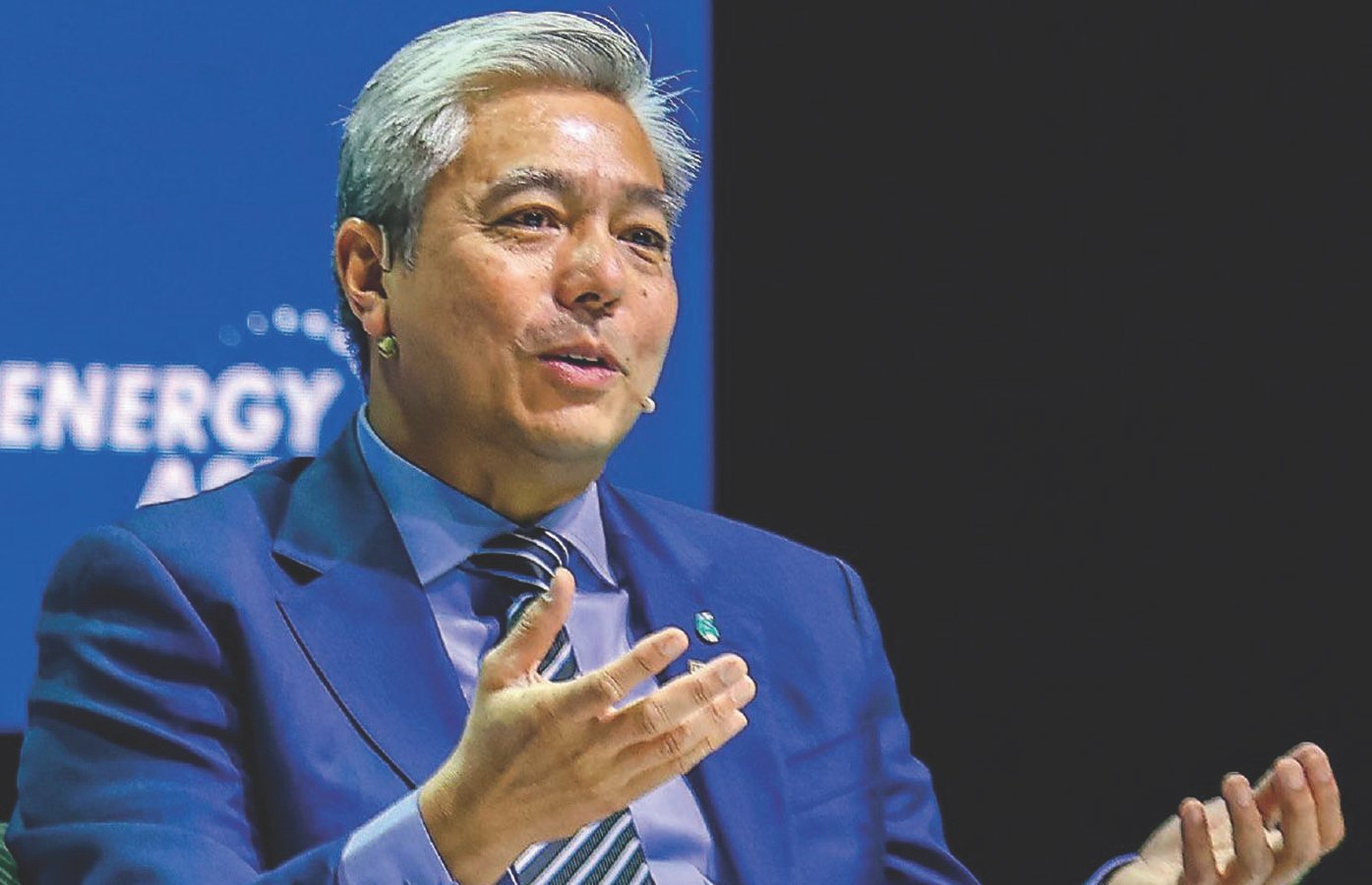
“In Asia-Pacific, the population is expected to reach 5.2 billion by 2050. As the region continues to develop, it is projected to account for half of the world’s energy demand through 2050, driven by economic growth and greater industrialization, including the rise of artificial intelligence (AI) technologies, and the need to meet the everyday energy needs of its people. In this landscape, natural gas provides a pragmatic solution. It provides energy security while supporting a practical and achievable transition to a more sustainable energy across the region.”
Adif noted that while investments in renewables will continue to grow, the challenge of intermittency must be addressed, something gas can counteract by providing a stable and secure baseload. Furthermore, as coal still contributes about 60% to Asia’s electricity generation, natural gas is often seen as a low-hanging fruit when it comes to replacing coal-powered generation.
Asia, the largest growth region for LNG
Asia, home to a rapidly growing population and the world’s fastest-growing economies, is envisioned to be the biggest growth region when it comes to gas imports.
Adif highlighted two types of liquefied natural gas (LNG) markets in Asia: the traditional markets, comprising long-time LNG importers such as Japan, China and South Korea, and emerging markets such as Thailand, Vietnam and the Philippines, which have started importing LNG in recent years.
“For over four decades, PETRONAS has had the privilege of supporting the traditional markets while steadily expanding our presence in emerging markets to support the region’s growing energy needs. This is due to the geographical advantage of our LNG Complex in Bintulu, allowing us to serve both markets with shorter shipping distances, faster delivery and enhanced supply responsiveness. In addition, Malaysia is located along stable, conflict-free maritime routes, which provide an additional advantage in ensuring secure and uninterrupted LNG delivery,” he said.
He added that these advantages are particularly important to emerging markets, which tend to be more price-sensitive.
While gas may not compete with coal on price alone, it remains a competitive option when factoring in its lower emissions profile and the growing need for lower-carbon energy sources.
“We can never compete with coal on price, but coal brings its own set of environmental challenges. That is why methane reduction in the natural gas value chain is critical. If we address that effectively, gas becomes an even more compelling proposition. It is cost-effective, abundant and increasingly accessible, thanks to ongoing infrastructure development,” said Adif.
Decarbonizing the gas value chain for a net zero future
At PETRONAS, the group has set a target to achieve net zero carbon emissions by 2050, said Adif, further detailing the journey towards that aspiration with a 50% methane emissions reduction in the natural gas value chain by 2025 and 70% by 2030.
He noted that PETRONAS has been quite active in pursuing zero venting and flaring, achieving the former last year and making progress in achieving the latter by 2030.
“We have made significant progress. In fact, we have already surpassed our 2025 target, reducing methane emissions by 66% through flaring and venting reduction projects across our upstream and gas operations,” said Adif.
Beyond methane reduction, PETRONAS is advancing energy efficiency across its operations. The group has employed the use of advanced software to optimize fuel gas utilization and leverage digital simulation to minimize energy consumption.
“As at end-2024, we were able to reduce as much as two million tonnes of CO2 equivalent through our energy-efficient projects,” he noted.
Additionally, Adif said the group is pursuing electrification, noting that PETRONAS’ Bintulu LNG plant will be gradually powered by hydroelectric power beginning in the middle of next year.
“Beyond operational improvements, we are also investing in long-term low-carbon technologies and infrastructure. We are undertaking a study to potentially capture about 1.7 million tonnes per annum (MTPA) of CO2 from the plants in Bintulu and store it at an offshore site. With the CO2 captured, we can further reduce emissions across our value chain and offer lower-carbon LNG for customers looking to meet their sustainability goals,” he said, adding that PETRONAS is also pursuing carbon capture and storage with various industry partners.
Market mechanisms still needed to achieve net zero operations
While PETRONAS is making meaningful progress in reducing emissions across its operations, Adif acknowledged that achieving net zero emissions across the natural gas value chain remains a significant challenge.
Reaching net zero requires more than operational improvements. It demands deeper investments in advanced technologies, cleaner power sources and infrastructure upgrades. These come with higher costs, which in turn highlight the need for market mechanisms that recognize the value of lower-carbon LNG.
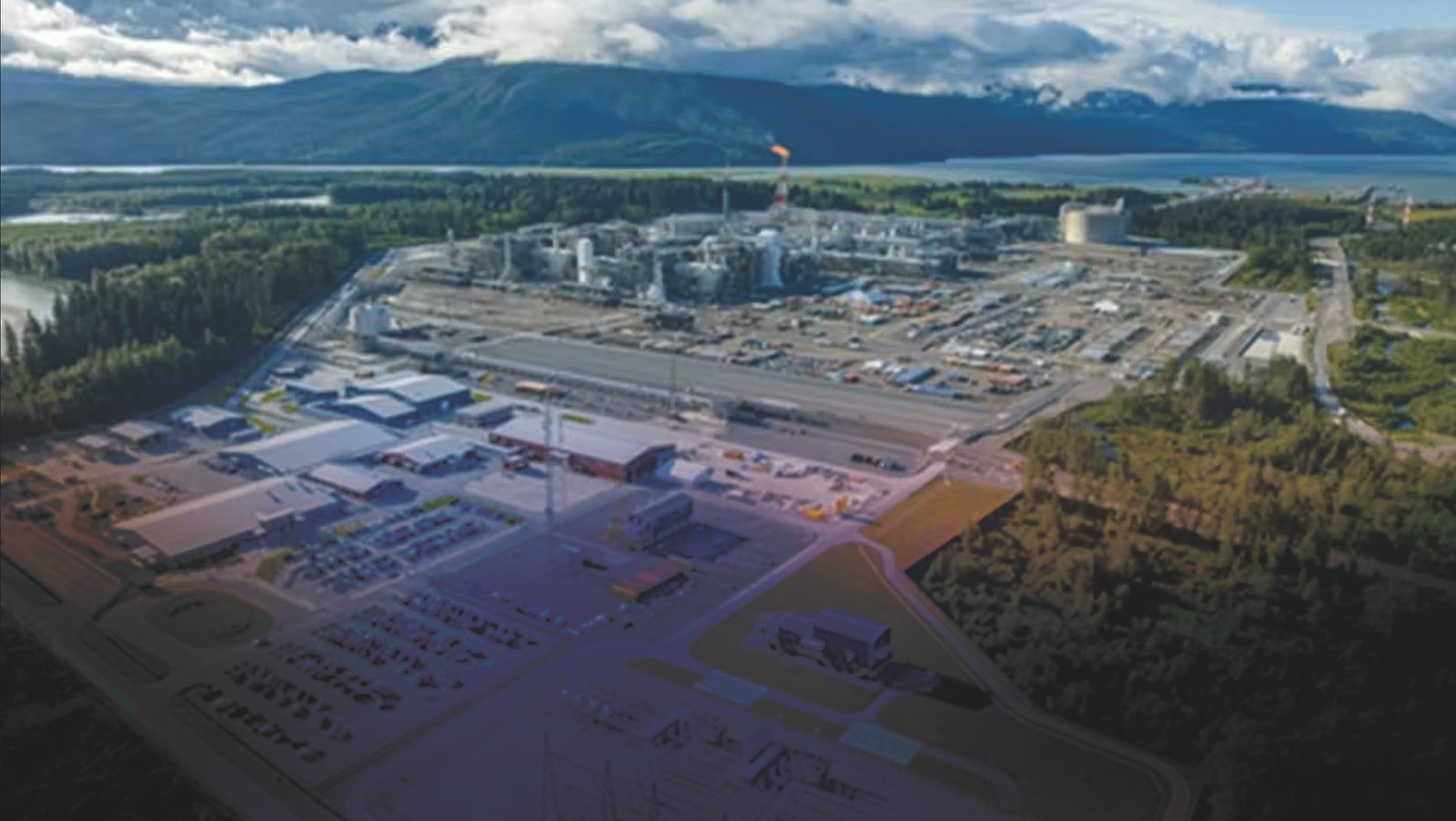
“For example, our LNG facility in Canada is one of the lowest-emitting energy plants in the world — it only has 0.15% CO2 equivalent per tonne. We will see more plants like these that continue to lower emissions, but achieving net zero across the entire value chain will also require broader shifts in the energy ecosystem,” said Adif.
He emphasized that this journey cannot be undertaken by producers alone. Collaboration across governments, markets and value chains is essential to enable faster and deeper decarbonization. Supportive policies, clear incentives and the willingness of markets to recognize and reward lower-carbon LNG will be critical to sustaining momentum.
“For PETRONAS, we will continue to push emissions down at every part of the value chain. As long as we stay committed to reducing emissions both pre-combustion and post-combustion, and delivering LNG with the lowest possible carbon footprint, we are creating a product that is not just competitive but necessary for the energy transition,” he said.
Reprint from The Edge Malaysia
Download Asia As PDF/userfiles/EP_23_05_Asia.pdf