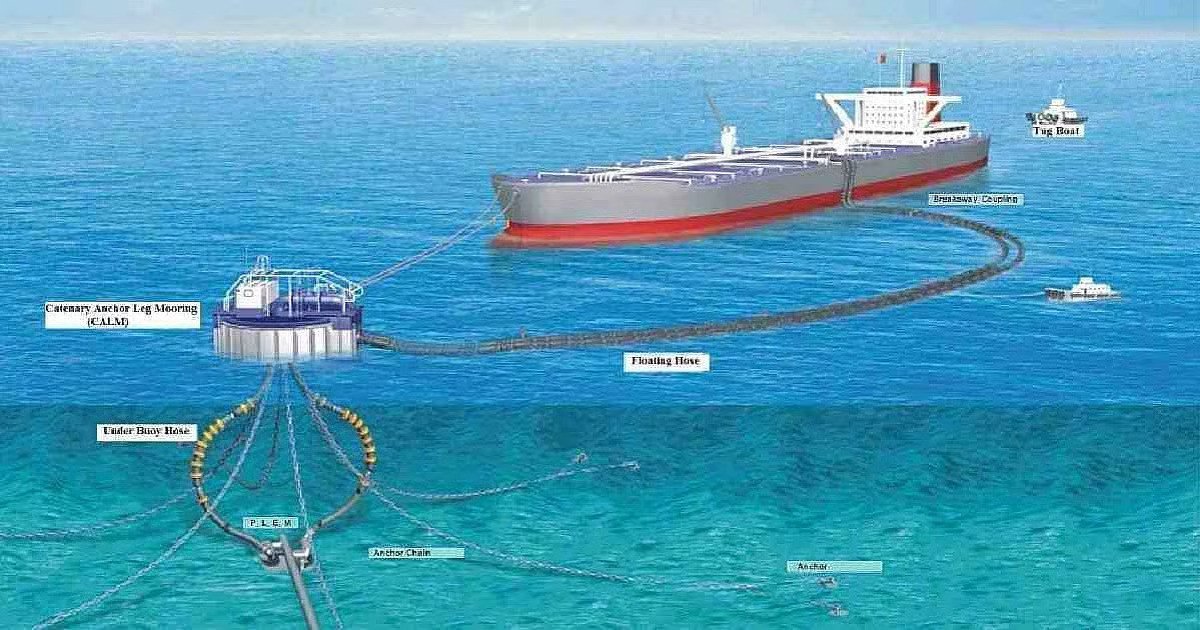
Bangladesh’s costly Single Point Mooring (SPM) project at Maheshkhali remains non-operational despite the completion of construction work, raising concerns over planning failures, lack of transparency, and controversy surrounding the appointment of an operations and maintenance contractor.
The mega project, implemented during the tenure of the former Awami League government, was designed to facilitate faster and more efficient imports of crude oil and diesel through large mother tankers anchored offshore.
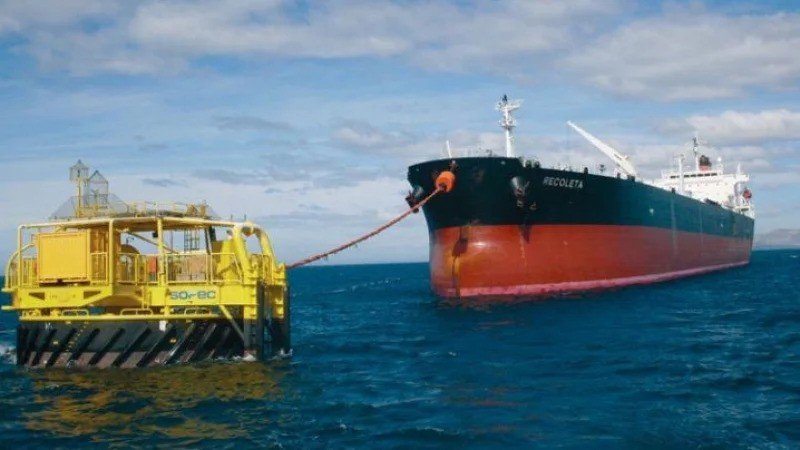
Although nearly Tk 8,000 crore was spent on the project, it has yet to become operational due to the failure to appoint a qualified company for operation and maintenance.
Officials said the SPM system has not even undergone final testing and formal handover from the contractor because no operating entity has been appointed so far.
Fresh controversy has now emerged over efforts to appoint the same contractor responsible for construction as the operator and maintenance company through what critics describe as a disputed tender process.
Questions have also been raised regarding the company’s lack of prior experience in operating similar SPM systems both domestically and internationally.
Although construction of the project was completed in August 2024, it still remains idle due to the absence of an operations contractor.
A senior official at the Ministry of Power, Energy and Mineral Resources blamed officials linked to the previous government for the delay.
Speaking on condition of anonymity, the official said a company had already been informally selected during the previous government’s tenure to operate and maintain the project, and negotiations were progressing before the political changeover following the mass uprising that led to the fall of the Awami League government.
However, discussions stalled after the change in government, although several influential officials who benefited under the previous administration allegedly continued to influence the process.
According to the official, an international tender was floated on April 30 last year under the interim government. Although two firms expressed interest, their proposed costs were reportedly 51 percent higher than the estimated expenditure set by Bangladesh Petroleum Corporation (BPC), preventing the appointment of any company. The tender was later cancelled on September 17.
The same official alleged that the second round of tender submissions, scheduled for February 17 this year, was strategically timed around the national election period and shortly after the formation of the new government, raising concerns over transparency and fairness.
In the second round, 11 international firms purchased tender documents. However, many foreign companies reportedly failed to participate due to travel restrictions and suspension of on-arrival visa facilities during the election period.
Officials said several experienced international firms, including Netherlands-based Smit Lamnalco and Egypt’s Meridive, participated in the pre-bid meeting but eventually refrained from submitting final bids.
Most companies reportedly requested that the tender submission deadline be postponed until after the elections, but those requests were ignored by influential officials involved in the process.
The SPM project was developed to allow direct unloading of crude oil and diesel from large offshore tankers through subsea pipelines, replacing the existing lighterage system that relies on smaller vessels.
However, lack of storage infrastructure and unresolved disputes over operation and maintenance appointments have turned the mega project into a major burden for the government, alongside the pressure of repaying large foreign loans used for financing.
Government policymakers are now reassessing the project, which many officials consider another poorly planned initiative of the former government, similar to the Karnaphuli Tunnel project.
Officials said any irregularities or procedural deviations in the project and tender process would be investigated, and corrective measures would be taken if necessary.
According to project officials, the infrastructure was constructed by China Petroleum Pipeline Engineering Company Limited (CPPEC).
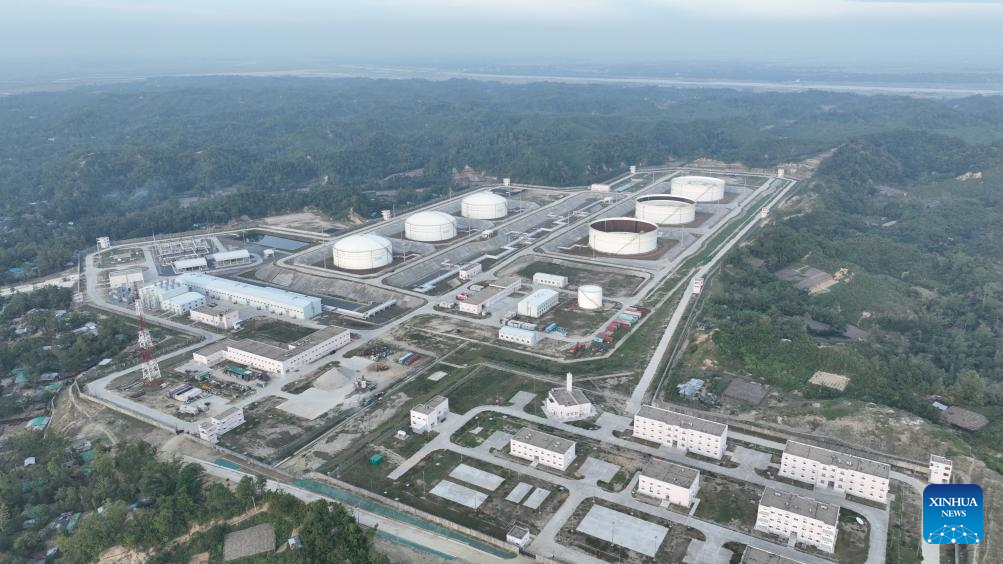
The project includes a floating mooring facility installed southwest of Maheshkhali Island, around 110 kilometers of subsea pipelines connecting Maheshkhali storage facilities with Eastern Refinery PLC, pumping stations, crude oil and diesel storage tanks, booster pumps, and generators.
The project, titled “Installation of Single Point Mooring with Double Pipeline,” was implemented by Eastern Refinery PLC under the supervision of BPC through a government-to-government agreement between Bangladesh and China.
Initially estimated at Tk 4,936 crore in 2015, the project cost later increased to Tk 8,222 crore. Construction work formally began in 2018.
The project was financed by the Export-Import Bank of China through preferential buyer’s credit and soft loans totaling more than $550 million, repayable over 20 years at an interest rate of two percent with a five-year grace period.
BPC officials said the existing infrastructure limitations at Chattogram Port and the low navigability of the Karnaphuli River channel prevent large oil tankers from directly unloading fuel.
Currently, mother tankers anchor in deep sea while smaller lighter vessels transport crude oil to shore, a process that takes up to 11 days for unloading a 100,000-ton tanker.
Officials believe the SPM project could significantly reduce unloading time, transportation costs, fuel losses, and foreign currency expenditures.
According to project documents, unloading a 120,000 DWT crude oil tanker through the SPM system would take only 48 hours, while a 70,000 DWT diesel tanker could be unloaded within 28 hours, compared to the existing 10 to 15 days required under the lighterage system.
A senior energy division official said the government has already instructed authorities to make the project operational as quickly as possible.
However, allegations surrounding the tender process and the qualifications of participating firms are now under review.
The official added that the tender process could be cancelled if necessary to ensure the appointment of a qualified and experienced operator for the project.