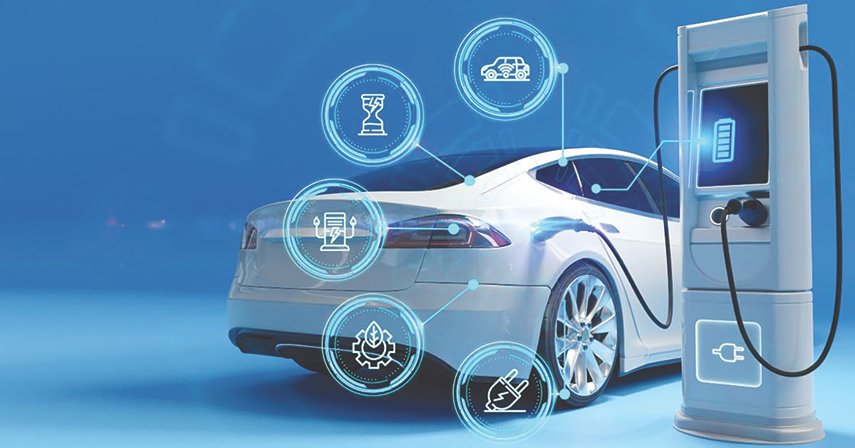
Urban planners recently urged reduced use of fossil fuel-run cars and motorcycles to ensure energy efficiency and sustainable transport in Bangladesh.
At a press conference organized by the Bangladesh Institute of Planners in the capital, experts emphasized the need for improved infrastructure for walking, cycling, non-motorized transport, and electric public buses.
They also stressed the importance of an integrated multimodal transport system combining roads, railways, and waterways.
Presenting the keynote paper, Professor Md. Musleh Uddin Hasan said that the transport sector consumed 63 percent of the country’s reserved petroleum in FY2024–25, while also contributing significantly to carbon emissions.
He proposed expanding bus rapid transit systems, introducing cycle-sharing projects, limiting the number of private cars and motorcycles, and creating a national urban transport fund.
BIP President Muhammad Ariful Islam warned that the growing dependence on private vehicles and road-based cargo transport was increasing reliance on fossil fuels.
He called for greater use of renewable energy and more pedestrian- and cycle-friendly urban planning.