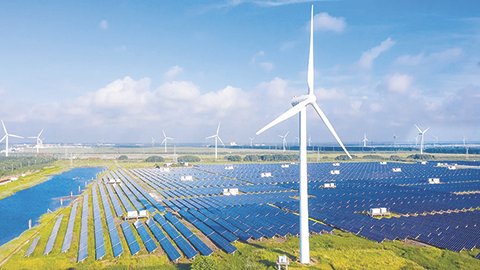
Bangladesh's factories have turned to rooftop solar to cut emissions and power costs, but limited roof space can only meet a fraction of their needs, so they are looking further afield, including buying renewable power from off-site plants.
Bangladesh last year began allowing private companies to sell power directly to large consumers, with electricity from the "merchant power plants" carried over the grid and users paying charges to grid and distribution companies.
India has long allowed open-access power purchases, while Pakistan is working toward a competitive bilateral market, but has faced disputes over use-of-system charges.
Meanwhile, Bangladesh's energy regulatory commission is working on the key details of how its own open-access system will work, including the charges that consumers would have to pay to use the grid.
Energy analysts said the viability of open-access power purchase deals partly depends on open-access grid charges and additional surcharges, which will be key to balancing the interests of businesses, households and farmers.
Once the grid charges and rules are finalized, corporate buyers like ready-made garment manufacturers with greenhouse gas emission reduction targets purchase renewable electricity from remote solar or wind power plants directly.